February 14 is Valentine’s Day for a lot of people around the world. But in India, this date has a very different meaning altogether. It is commemorated as Black Day, commemorating the brutal Pulwama terror attack of 2019. On this day, the country pauses in remembrance of those valiant soldiers who died and reflects upon the value of unity against terrorism.
A convoy of Central Reserve Police Force personnel was traveling on February 14, 2019, on the Jammu–Srinagar highway. One of the buses was hit by an explosive-laden vehicle, resulting in a large explosion. The bus, which passengers and crew members were taking, was hit by a suicide bomber. The attack resulted in the death of 40 CRPF jawans and dozens of cases of injury. It was one of the deadliest terror attacks in India’s history, shocking the entire nation and gaining international attention.
Why It Is Called Black Day
You can use ‘Black Day’ because the terrorist act was about more than just losing a few lives; it was also a stark warning of the dangers posed by terrorism. It represents mourning, anger and the collective grief of the nation. Indians observe this day each year in memory of the martyrs and to remember the sacrifices the armed forces made.
How India Celebrates the Day
- Tributes and Memorials: Ceremonies take place nationwide, especially in Pulwama, in honor of the dead soldiers.
- Government and Military Observances: Leaders and officials celebrate, some going to memorial sites while others express solidarity.
- Public Participation: Citizens light candles, post on social media or organize events to thank and remember.
- Educational Awareness: Schools and colleges may hold conversations, or even run programs, for teaching young people the value of national security and of unity.
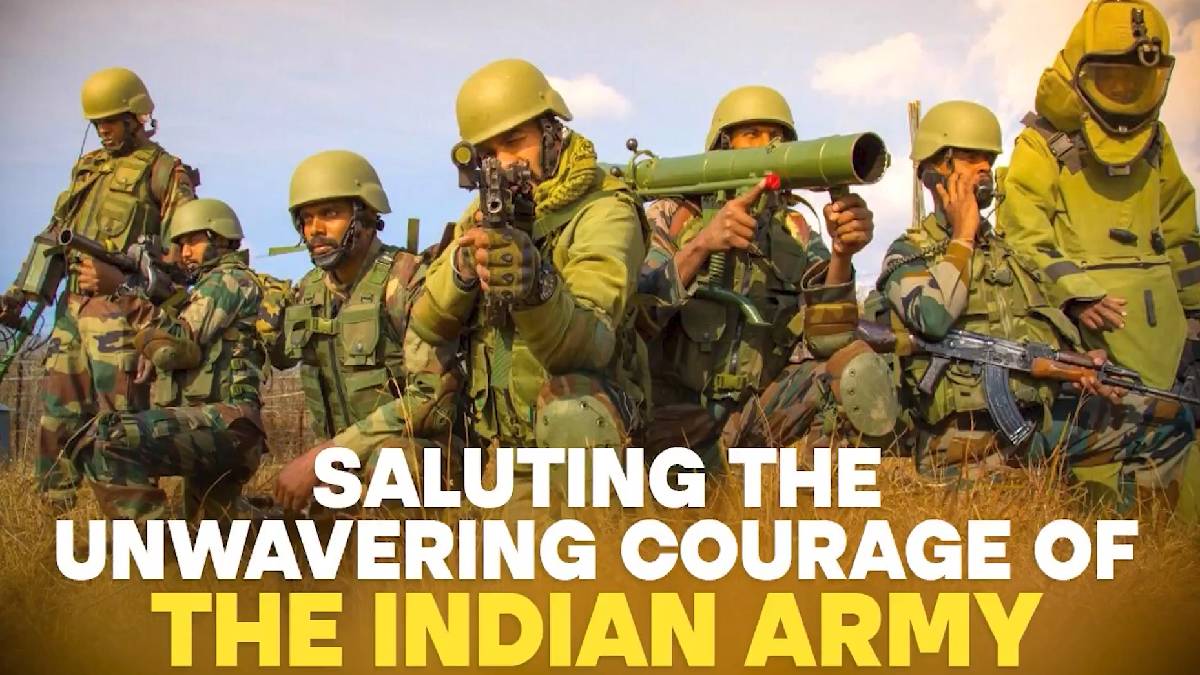
Black Day is not only about mourning. It is also about resilience. The Pulwama attack had resulted in reinforced security and a rekindling of resolve to combat terrorism. It gives a wake-up call to Indians that no one shall ever forget the sacrifices of soldiers, and that coming together is the best response to violence.
On February 14, Indians see the flag raised, as well as all the rituals that lead up to the country's liberation. As the world fetes love, India mourns its heroes with reverence. Black Day reminds us that freedom and peace are bought with life and our honor to protect our liberties is an obligation any citizen has.