India has vigorously defended the credibility of the Financial Action Task Force (FATF) at the United Nations and argued that countries that question the global watchdog’s efficacy are simply trying to skirt international scrutiny over money laundering and terror financing.
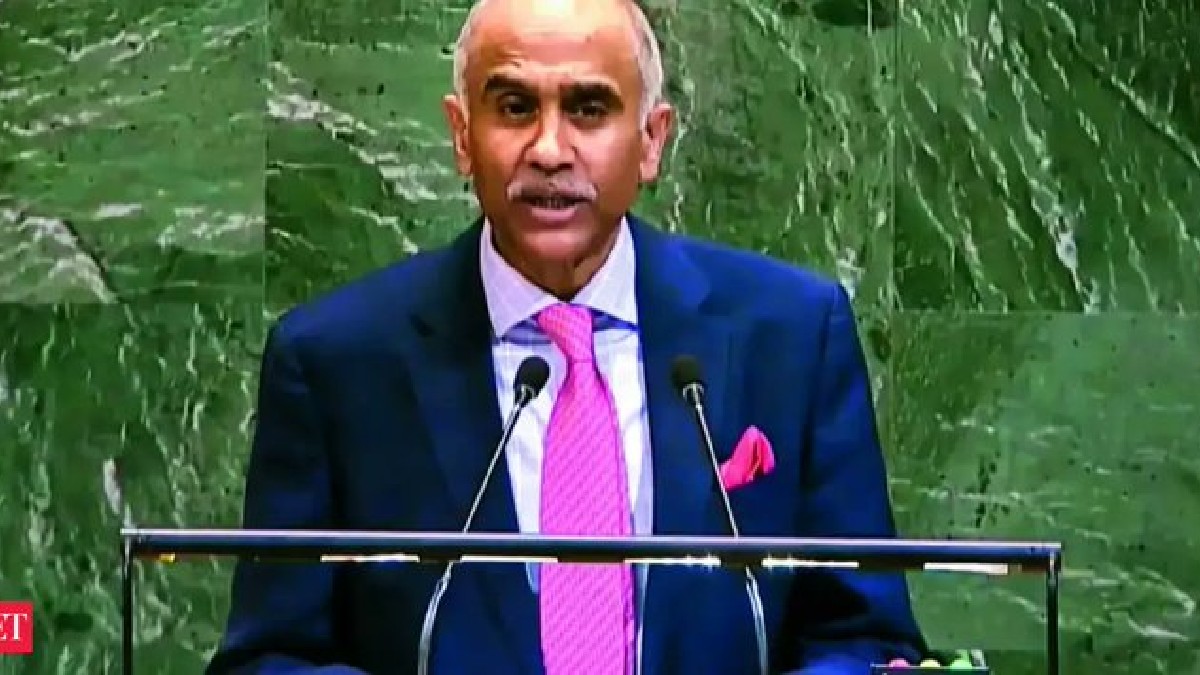
The remarks were made at a United Nations meeting in New York. The Indian delegation said an international financial transparency and security environment must be defended so as to protect the integrity of the international financial institutions from financial crime and terrorism, as well as the people and businesses in the world, by keeping the FATF as a credible and objective institution.
At the meeting, India's representative said attempts to undermine the FATF's credibility often stem from countries seeking to avoid accountability for deficiencies in their financial systems or for failing to curb the financing of terrorism.
"The countries which try to question the credibility of the FATF are often those that wish to escape scrutiny," India’s representative said, underlining the need for all countries to comply with international standards aimed at preventing illicit financial flows.
The Financial Action Task Force is an intergovernmental organization that was established in 1989 to develop policies to prevent money laundering, terrorist financing, and the financing of weapons of mass destruction. It evaluates countries based on their compliance with internationally accepted standards and places jurisdictions with strategic deficiencies under increased monitoring or, in severe cases, on its blacklist.
India noted that the FATF's evaluation process is based on technical evaluation, mutual evaluations, and peer reviews rather than political considerations. The recommendations of the organization have helped strengthen the global fight against organized crime, corruption, and terrorist financing, according to the Indian delegation.
India maintained that terrorism is still one of the greatest threats to international peace and security. "We are committed to disrupting financial networks that are feeding terrorist organizations for attacks and the stability of the world," the delegation said.
India has been advocating for stronger international cooperation to eliminate safe havens for terrorists and their financial supporters for some years now. New Delhi, at different multilateral forums, including the United Nations, pleaded for countries to have a strong legal framework, to enhance financial intelligence sharing, and to strictly implement FATF recommendations.
The Indian delegation also noted that compliance with FATF standards increases investor confidence, strengthens banking systems, and improves the integrity of national financial institutions. Countries that are able to implement anti-money laundering measures have more trust in international financial markets and less risk associated with illicit transactions.
'Fear of scrutiny': India says those questioning global terror financing watchdog FATF have something to hidehttps://t.co/LaMTzCXnW9
— Economic Times (@EconomicTimes) June 30, 2026
India also warned against attempts to politicize international institutions and dilute internationally accepted standards. The delegation said that weakening the FATF’s power to prevent cross-border financial fraud and terrorism would undermine this global effort in a collaborative way.
The statement comes as global attention is focused on strengthening mechanisms to curb terror financing and enhance financial transparency. FATF evaluations are still a factor in international financial relations, and it is expected that member countries will constantly update their legal and regulatory systems to satisfy evolving international standards.
FATF monitoring has inspired a lot of countries to make big changes in banking regulation, financial oversight, and enforcement processes. Those reforms have helped in detecting suspicious financial transactions and in improving international cooperation to police financial crimes.
India has already made some legislative and regulatory moves to strengthen anti-money laundering laws and improve financial intelligence and domestic regulations in line with FATF recommendations in the last few years. These are steps taken by India to combat black money and be part of global security efforts.
The Indian delegation concluded by reaffirming its support for the FATF and calling for all member countries to work together in implementing international standards without bias or political considerations. Transparency, accountability, and cooperation remain the most effective tools in addressing the growing challenges of money laundering and terrorist financing.
And as global efforts to combat financial crimes continue to evolve, India's comments at the United Nations are consistent with its well-established position that credible global institutions like the FATF are vital in maintaining financial integrity and preventing resources from reaching terrorist organizations and criminal networks.