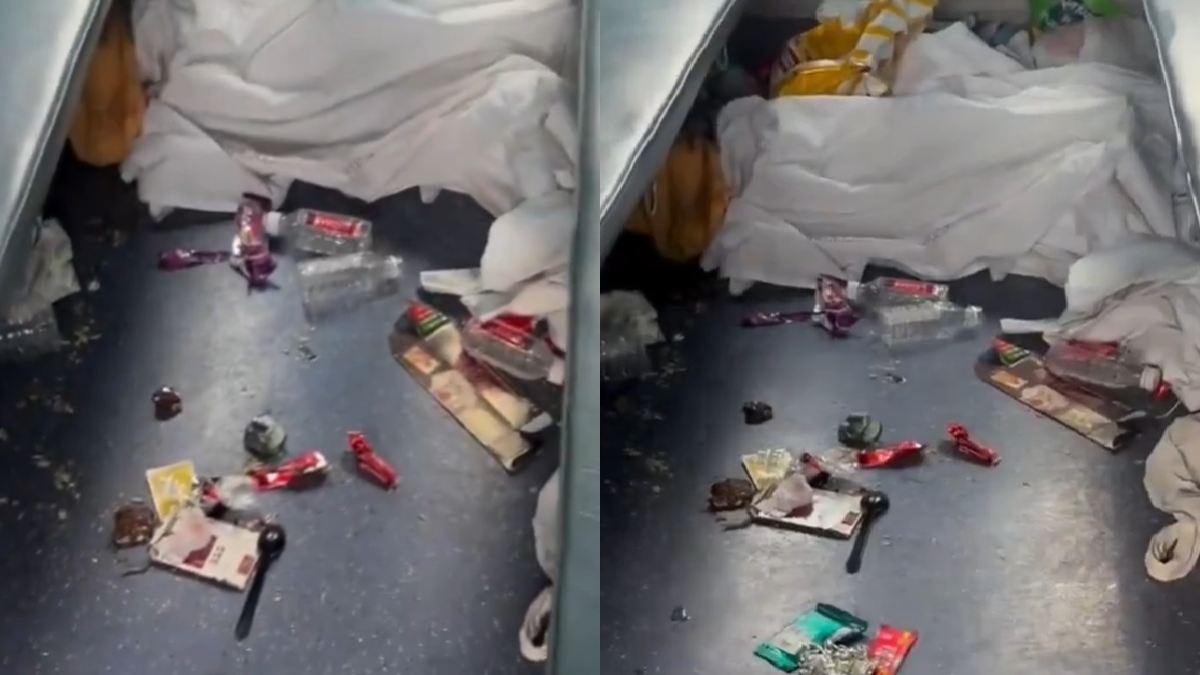
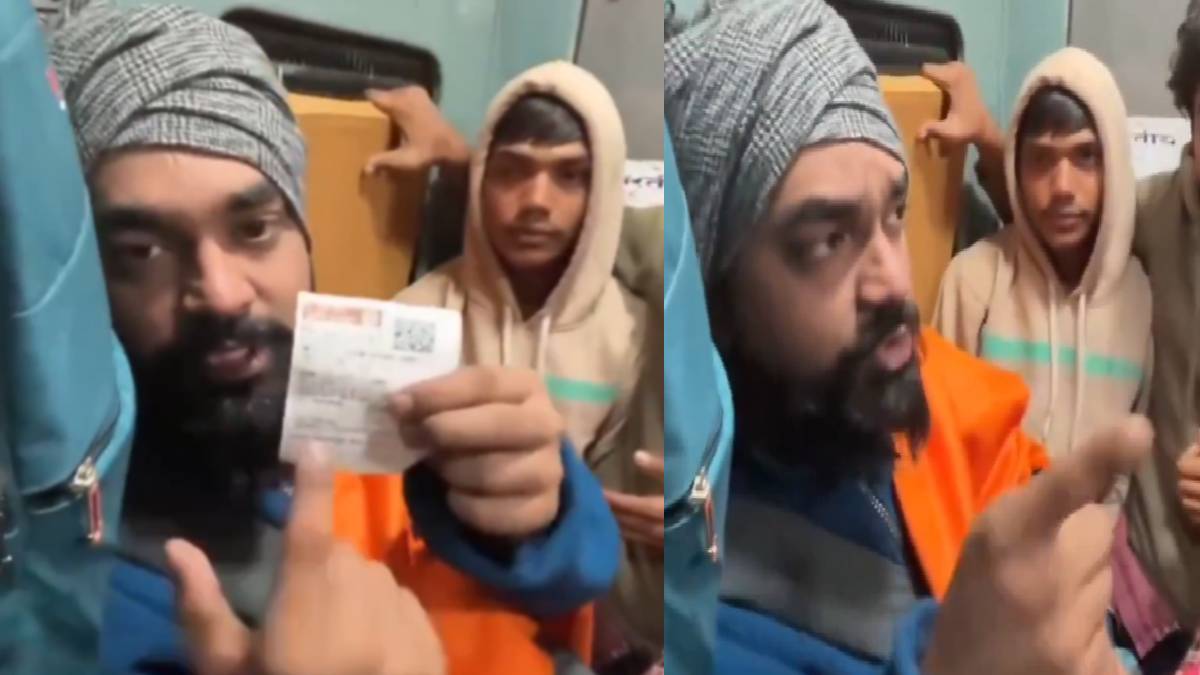
Indian Railways has fined the catering services providers for failing to comply with food quality, hygiene and service standards in the case of food quality, hygiene and service quality of food service in its meals as part of the railway administration in the process of improving onboard catering services and ensuring food safety standards.
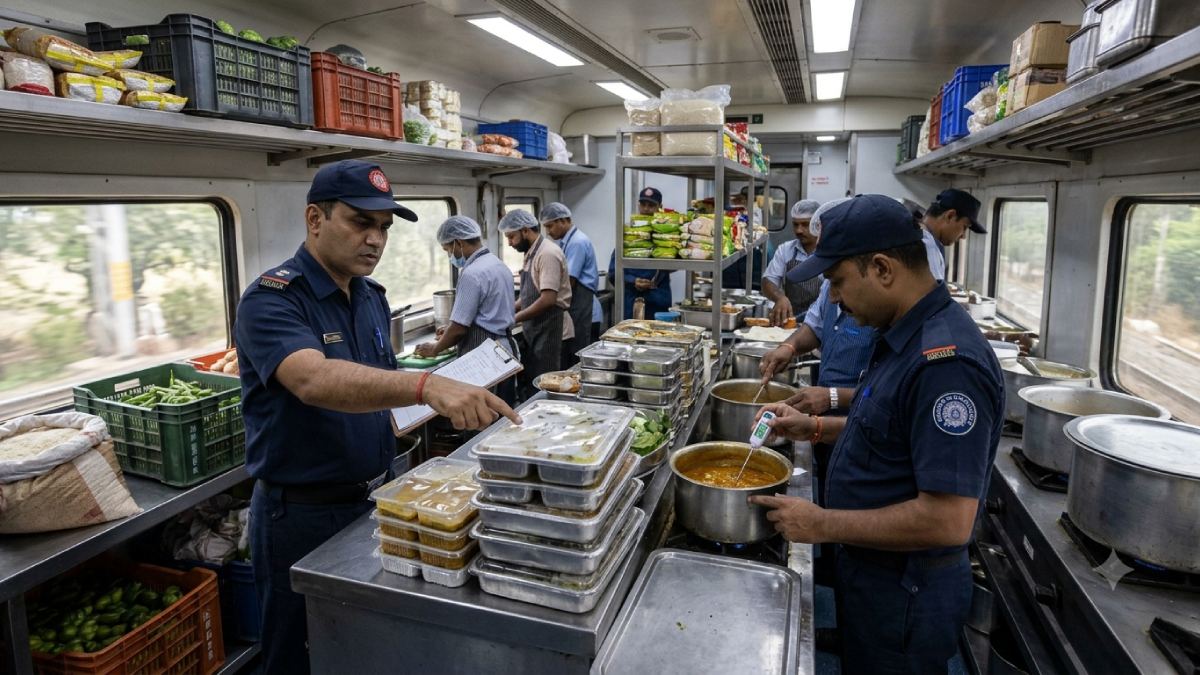
The fines were imposed after inspection and monitoring exercises had found a number of catering firms were failing to fulfil their food preparation, storage, cleanliness and passenger service requirements. The railways insist that hygiene and quality of service of food are top priorities because of the huge number of meals eaten daily in trains and railway stations.
Indian Railways is one of the world’s largest railway networks with millions of passengers per day travelling. Catering services are essential in improving the travel experience on long-distance trains and premium services and station food plazas. Since the system is so big, maintaining the same quality of food for thousands of catering outlets is extremely challenging.
According to railway officials, the penalties were part of regular quality checks to ensure that catering contractors strictly adhere to contractual obligations. Such inspections cover more than food preparation methods, kitchen sanitation, staff hygiene, packaging quality, storage temperatures, expiry dates of ingredients and customer service standards.
And passenger health cannot be compromised under any circumstances, authorities have said. Vendors found to breach hygiene standards or supply substandard food are charged with penalties, contractual repercussions and in some cases termination of their agreements. These latest fines are the latest proof that a lack of food safety care will not be tolerated.
Food safety has been an important focus area for Indian Railways lately. There have been several efforts to upgrade kitchens and food handling, digital monitoring systems, and quality control. Also, surprise inspections of base kitchens and onboard catering operations have been intensified to catch the problems before they get to the passengers.
The Indian Railway Catering and Tourism Corporation (IRCTC), which has a significant share of railway catering services, has introduced reforms to improve passenger satisfaction with respect to the Indian railway catering business and the foodservice sector. Standardized menus, better packaging, online meal booking options, GPS-enabled food tracking in some services and enhanced vendor evaluation procedures have been proposed.
On the other hand, some complaints about stale food, poor hygiene, delayed service and inadequate cleanliness are still found. Passenger feedback is essential in determining service deficiencies and complaints received through railway helplines, mobile applications, social media and customer care channels are followed up with inspections and corrective action.
Industry experts believe that regular monitoring and strict enforcement is necessary if food safety is to be sustained in an organization as complex as Indian Railways. Catering operations involving many contractors, kitchens, suppliers and logistics partners are the way too many different contractors, kitchens, suppliers and logistics partners are involved in the system; therefore, constant monitoring and accountability is essential for ensuring that food quality is maintained.
The penalties also serve to highlight the necessity of compliance with food safety regulations set by the authorities. Safe storage of raw materials, fresh food, cooking practices that adhere to cooking standards, health inspections for food handlers and clean kitchens are all vital to provide meals to passengers.
Railway officials have encouraged passengers to report any issues in terms of food quality, hygiene and service quality at railway officials have asked them to report them as soon as possible through official complaint channels. Fast information is the only way to get them fixed in case of an incident so authorities can investigate it and take action against the wrongdoers. And this feedback leads to a better railway service quality on the whole.
Indian Railways has invested significantly in passenger facilities in recent years (modern coaches, better transit facilities, digital services) and also in catering services. Food quality standards are a key part of these modernization efforts to make rail travel safer, cleaner and more comfortable.
Catering service providers should pay fees and keep up to date on customer service. By enforcing the code of conduct on suppliers’ behalf, the railway administration will raise the bar for them and they will be held accountable for failures in service delivery.
The fact that millions of passengers are reliant on railway catering each day and that food safety and hygiene is essential for that is nothing new and that quality assurance is a continuous process and that constant surveillance, regular inspections and prompt enforcement are essential in keeping the whole railway network safe and enjoyable for the travelling public.