
Millions of people in India rely on trains every day to get there. The railroad and other transportation systems for many are not merely a mode of transporting people in general, but a lifeline that links families, jobs and possibilities. And yet, travelers pay full price but often confront overcrowded seats, poor access (or seating and discomfort along the road). This begs the question: if passengers are paying full price, why don’t they receive the simple comfort of a clean and comfortable seat?
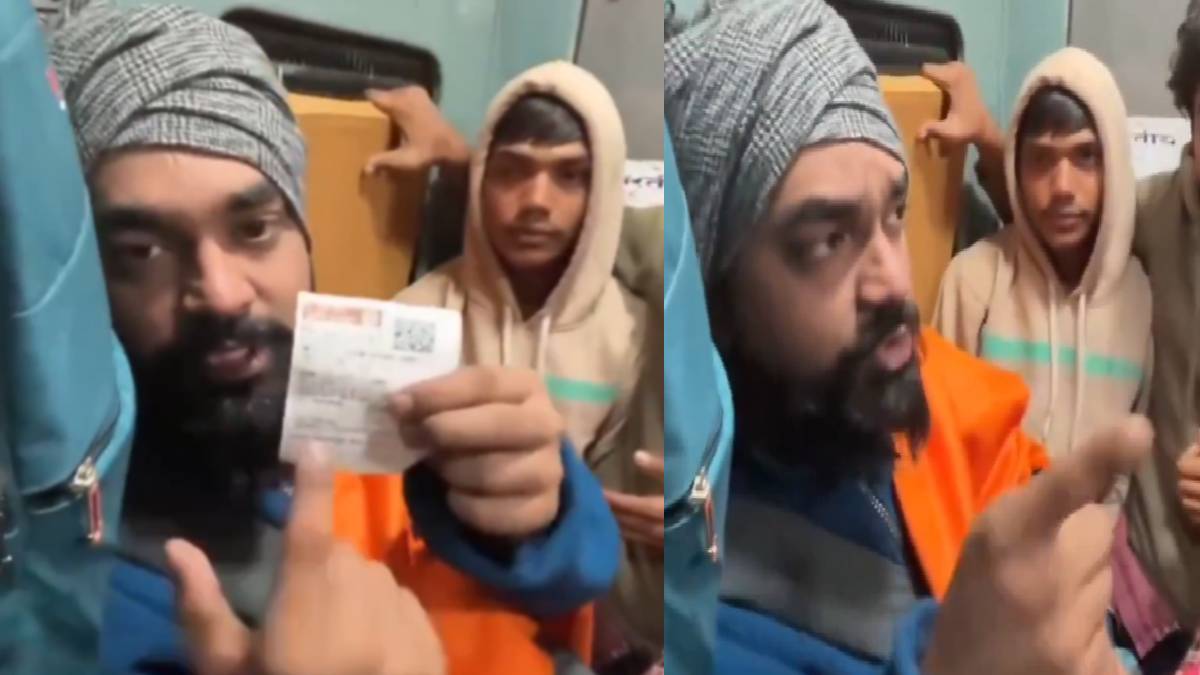
The Indian Railways have long faced overcapacity. During the busy hours, especially in long-distance and suburban trains, the cars are overcrowded beyond their capacity. Passengers are forced to stand for hours, crowded tightly in aisles and close to doors. Heavy clothing makes the space even tighter in winter, and heat transforms compartments into airtight boxes in summer.
Not only is this overcrowding inconvenient, it is dangerous. Passengers have difficulty moving rapidly in emergencies and face increased risks of accidents. Traveling in such circumstances can be tiring and dangerous for old folks, children and people with ill health.
This problem could result from a number of factors:
- High demand, low supply: India’s huge population means that the most affordable mode for long journeys is still the train. As the demand for tickets typically exceeds the number of seats available.
- Slow expansion of services: Services such as the expensive Vande Bharat enjoy praise, but those that are everyday trains used by ordinary folk often remain neglected.
- Bad planning and management: Sometimes more passengers than the train can hold. Unreserved sections are particularly congested.
- Infrastructure void: There’s been no significant investment in new routes for decades so there’s limited capacity on most that can sustain the increase in demand.
For passengers, the frustration is clear. At least basic comfort is the norm when you pay full fare. That leaves the feeling of unfairness when that expectation is not met. Many users express indignation on social media to share pictures and videos of overcrowded trains. Railway officials and ministers receive the same kinds of tags in posts, calling for accountability.
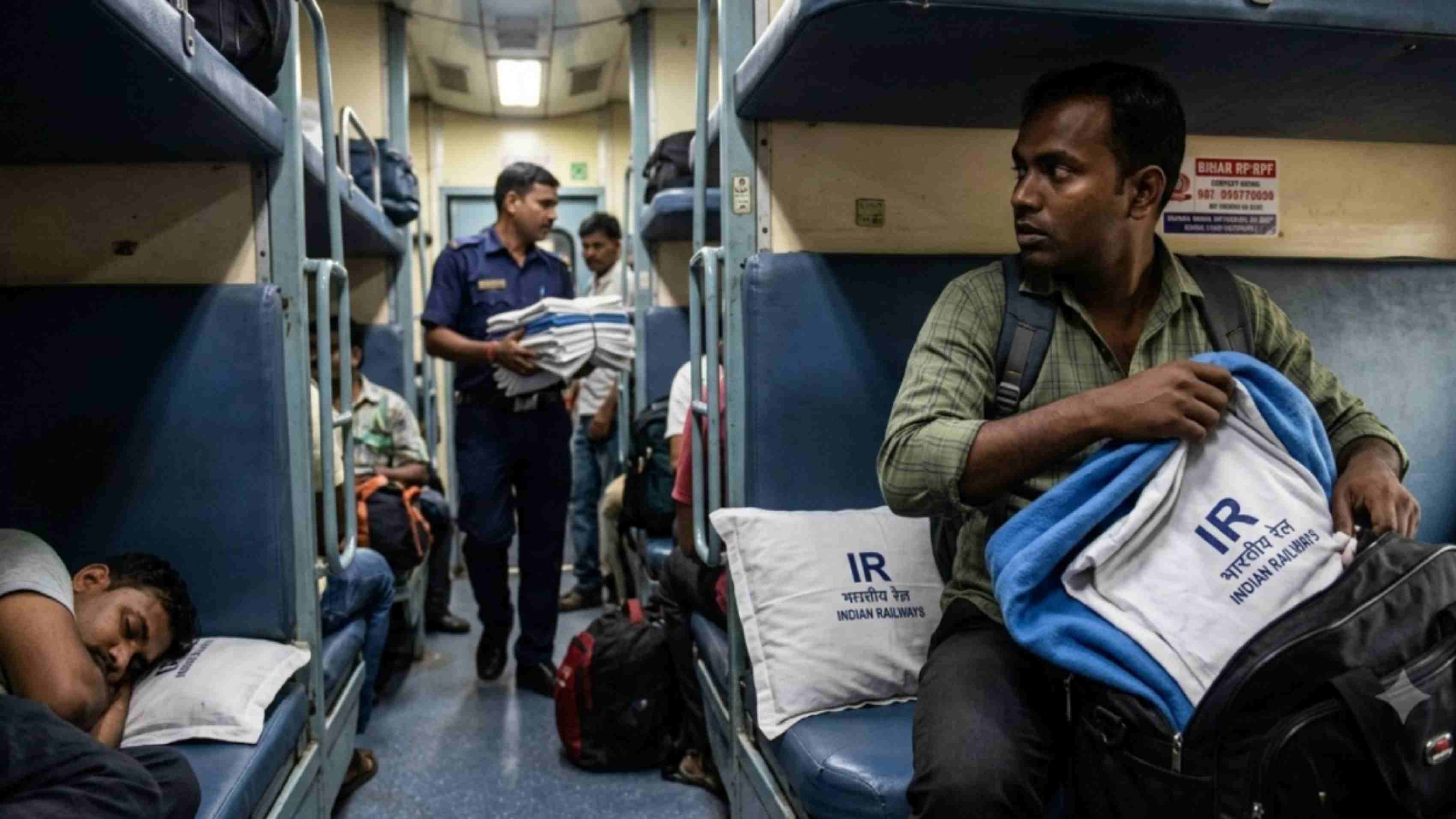
The sarcastic question “Can you breathe, Rail Minister?” captures the mood perfectly. It emphasizes the disconnect between the polished public appearances of top officials and the gritty reality for regular people.
The problem is nuanced: but there are sensible measures that can help make the situation better:
- More trains: Bringing more trains in on peak segments will ease the burden on existing services.
- More efficient ticketing: The only way to keep very bad congestion is to limit how many tickets each coach can sell.
- Improve infrastructure: This includes expanding platforms, adding tracks and modernizing coaches so that they cater for more people on board.
- Concentrate on common people trains: In order to avoid investing only in luxury or semi‑high‑speed trains, there needs to be equal attention to passenger trains the masses should have access to, instead.
- Introduce real‑time monitoring: Tapping into technology to monitor overcrowding to respond to it and make timely changes can go a long way toward making a travel trip safer.
The Indian Railways is one of the largest networks in the world and is an important contributor to the growth of the country. But growth can’t come at the price of passenger dignity. Leaders and officials must listen to the voices of the commuters who travel through these conditions every day. More than comfort, improving railway services is about safety, fairness and respect to millions upon millions who use trains.
The overcrowded Indian trains represent the fact that public services often don’t meet the needs of average people. Passengers are entitled to much better. Full fare must entail at least a spot and an acceptable trip. While we work on this gap, the question remains: why should passengers be charged so much for comfort they never attain?



Comments
Leave a Comment