A serious incident involving a ticketless passenger has triggered widespread concern after Railway Protection Force (RPF) personnel allegedly threw the person from a moving train during ticket-checking.
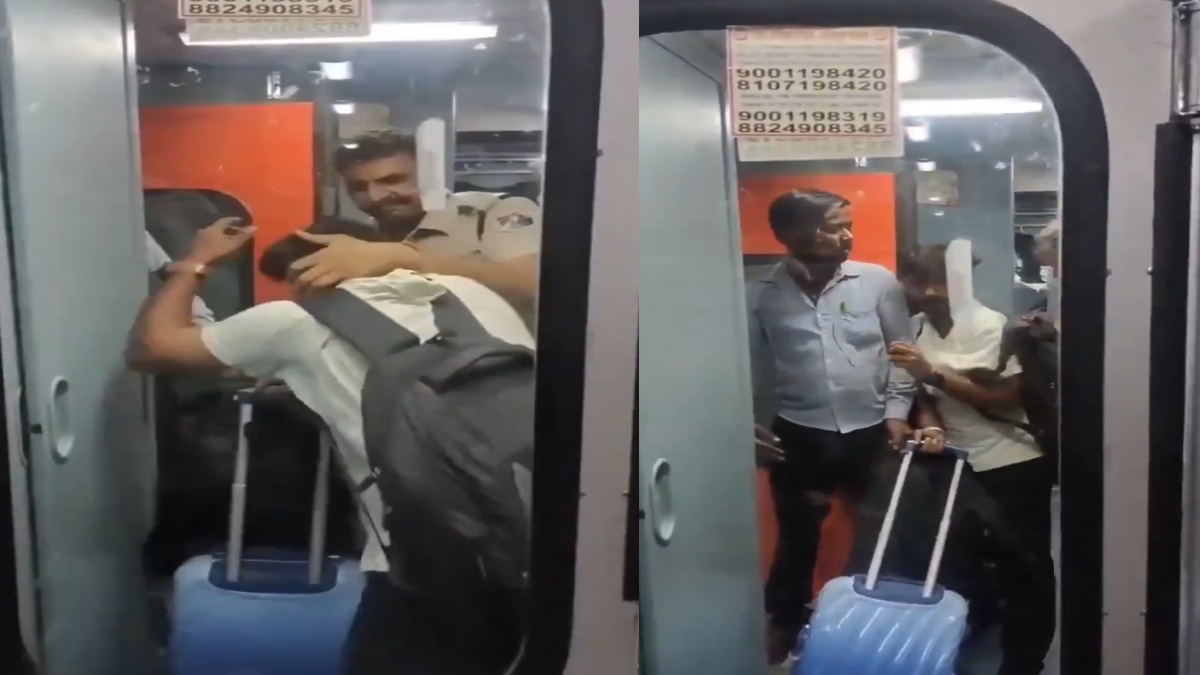
The incident has raised questions about passenger safety, the use of force by security personnel, and railway protocol when dealing with passengers who are not in a valid ticket holder position. In the near future, railway authorities will conduct a detailed investigation to establish the exact sequence of events and if standard operating procedures were followed.
According to initial reports, the passenger was travelling without a valid railway ticket when he was stopped by RPF personnel on the journey.
Ticketless travel is illegal under the Railways Act and is a criminal offence, and people in the railways are usually punished and/or taken to court. But it was alleged that instead of following the prescribed legal process, the passenger was thrown from the train by RPF officials who forced the passenger out of the train with no legal process. The reason behind the incident remains under investigation, and officials have not yet released a detailed statement on the incident.
The incident has attracted attention in the Indian public because the Railway Protection Force is responsible for protecting passengers and the security of India's entire railway system. Every day, millions of passengers rely on Indian Railways for safe and affordable travel. The railway security forces are expected to enforce rules in the railway and to treat each passenger with respect and in line with the law.
Railway safety experts say forcing anyone off a moving train could have life-threatening effects. A fall from a moving train can lead to serious injuries, permanent disability, or death. Indian Railways always advises that passengers don’t board or deboard moving trains for the same reason. Therefore, it is highly unlikely that any passenger was physically removed from a moving train, and we need an unbiased investigation for this.
Where possible, CCTV video will also be examined in addition to witness statements, onboard reports, and any mobile phone videos of fellow passengers recorded. Medical reports, if the passenger was injured, will also play a significant role in the investigation. The investigation will look for evidence of excessive force by the authorities to see if the actions of the personnel were in accordance with existing railway regulations.
Lawyers point out that even when traveling without a ticket is a punishable offence, the law requires that the enforcement is done within the framework of the law. The passenger who arrives at the airport without a ticket is normally required to pay the fare and penalty and to be punished. Any action that endangers a person’s life or safety would be taken seriously if proven during an investigation.
The incident has reignited the discussion about how trainees in railway security should be trained regularly in conflict resolution, communication, and handling difficult situations professionally. Good law enforcement should be concerned with de-escalation and public safety and comply with the law, an expert explains.
Public reaction was quick, and people are worried about the safety of the passengers and want the investigation to be open. Social media users on their sites have suggested that railway authorities should be held accountable if any misconduct is found.
Indian Railways has been investing heavily in modern surveillance systems, CCTV cameras, and security infrastructure over the past few years to improve passenger safety. The technologies are expected to assist investigators in reconstructing the incident accurately and determining the responsibilities of those involved.
🚆 Shocking | Ticketless Passenger Thrown from a Moving Train by RPF Personnel. pic.twitter.com/zo9FoizHPT
— FalconUpdatesHQ (@FalconUpdatesHQ) August 6, 2026
Railway officials will conduct the inquiry after having reviewed all the evidence available. If rules and misconduct are found to exist, then appropriate departmental and legal action should be taken against the people involved. In the case of a different sequence of events, the authorities will then publish their findings based on evidence.
The incident is a reminder that while the enforcement of railway regulations is essential, passenger safety and lawful conduct should be the top priority. A transparent investigation will be required to establish the facts, ensure accountability, and maintain the confidence of the public in the Indian Railways and the Railway Protection Force.