India will go all-around green and affordable with its first hydrogen-powered train in 2023. The hydrogen train’s price will start with an estimated ₹5 at railway stations in India, a cost that is comparable to platform tickets at many railway stations. That is the promise of Indian Railways that sustainable transport from energy-starved petrol stations is affordable to the people of India.
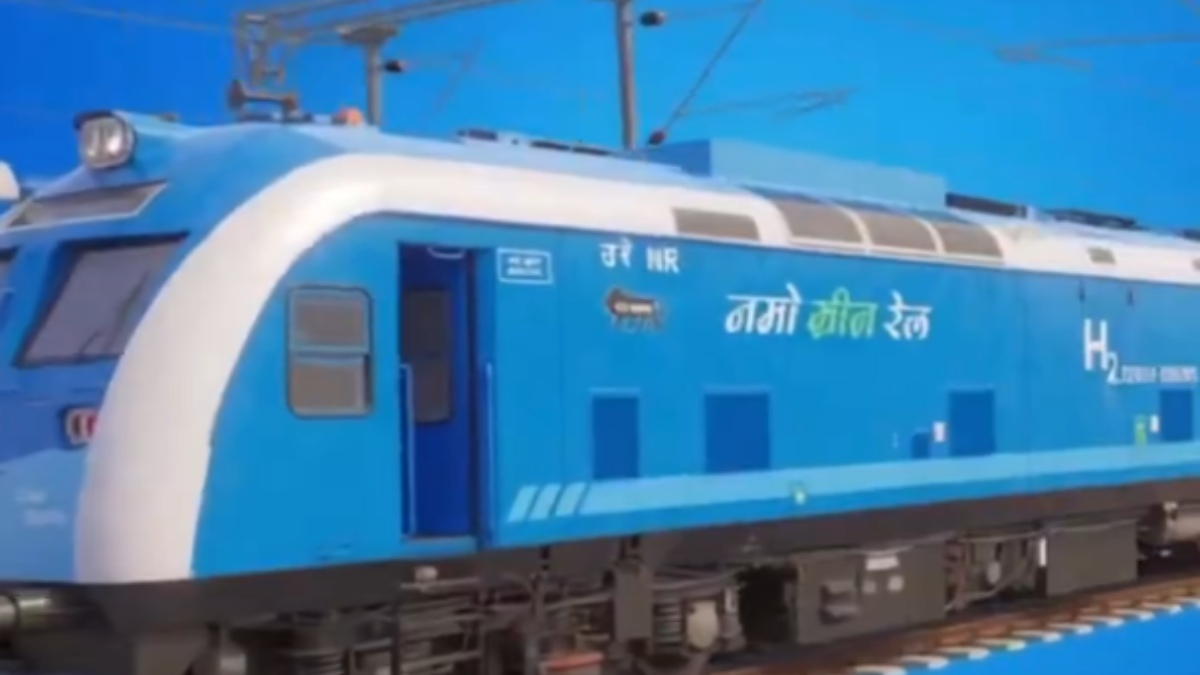
The hydrogen-powered train is a huge step towards cleaner and more environmentally friendly public transport in India. Instead of diesel locomotives, the train generates electricity on board using hydrogen fuel cells and does not rely on overhead electric wires for propulsion. This technology allows the train to operate with minimal emissions while delivering a quieter experience with more energy-efficient travel.
Even the introduction of an entry-level fare of ₹5 has shocked many commuters as the introduction of green technology is not necessarily higher in cost. Indian Railways has always been a cheap transportation provider to millions of its passengers and the hydrogen train project will keep that promise and also offer new technologies in clean-energy transportation, so people can enjoy the country's newest railway technology.
Hydrogen fuel cell trains work by storing compressed hydrogen gas inside the train in internal tanks. Within the train, the hydrogen reacts with oxygen from the air inside fuel cells in a specially designed fuel cell to produce electricity that is used to drive electric motors that power the trains. The fuel cell process does not produce combustion engines with water vapor and heat as by-products, and hydrogen is one of the cleanest forms of rail transportation that exist today.
The train also incorporates battery systems to store excess power generated by the fuel cells. These batteries work during acceleration and take advantage of regenerative braking to save energy. The locomotive electric trains produce their own electricity, so there are no overhead catenary wires required, so it is ideal for routes where electricity on the railway is difficult/costlier to electrify.
Indian Railways is slowly expanding its electrified train network since the past few years as part of its long-term sustainability strategy. But some lines are still not electrified because they are located elsewhere or economically dependent. For these sections, hydrogen-powered trains would be a good option; it would also be cleaner without expensive infrastructure upgrades.
Hence, hydrogen trains also provide several operational advantages in addition to the greenhouse gas emissions reductions; other benefits of hydrogen trains are also positive for transportation. They are quieter than diesel locomotives, less noisy, and have fewer moving mechanical parts, potentially reducing long-term maintenance requirements. Passengers also get a smoother or more comfortable journey as well.
The hydrogen train project is a part of India’s larger plan of renewable energy development, reduction in carbon emissions, and net-zero goal in the next few decades. The government also launched the National Green Hydrogen Mission to promote green hydrogen to be produced and used by different sectors including transport, industry, and energy.
Hence, hydrogen-fueled trains already have been deployed globally in Germany, France, Italy, and China. These projects show that using hydrogen fuel cell technology can replace diesel trains on non-electrified routes and at the same time reduce environmental impact. India's entry in this domain is an important step toward implementing internationally renowned clean transportation methods.
Researchers say that affordable ticket prices could be very important to support the public's acceptance of hydrogen-powered transportation. With fares as low as or more than the present train fares going to be comparable or even lower than the current train fares, Indian Railways will introduce people to new technology without adding extra costs to the daily lives of travelers. The symbolic ₹5 starting fare is another way to make the government’s vision for green mobility accessible and inclusive for people, not exclusive so that people can use it in India.
Hydrogen technology still has challenges in fact like the costs of production of hydrogen, storage, and refueling facilities, but new investments in technology and the development of hydrogen-based transportation are expected to make hydrogen more economically viable in the years to come. With the growth in green hydrogen production, operating costs may fall slowly but surely and thus strengthen the business case for hydrogen-powered transportation as well.
Fares for India's first hydrogen train start at Rs 5, cheaper than platform ticket pic.twitter.com/C3TFCtz3IE
— Ankit (@Extreo_) July 17, 2026
The launch of India's first hydrogen train is a big deal and just one of the examples of a country’s growing focus on sustainable innovation and it’s really affordable for the average citizen. With sophisticated fuel-cell technology and one of the lowest entry-level fares in the railway system, Indian Railways shows that environmental responsibility and public accessibility can be inextricably linked.
As India moves toward cleaner modes of transport, the hydrogen train could provide a model for future railway projects to reduce pollution and also to keep costs at a minimum, one of the key characteristics of the country’s sprawling rail system. For just ₹5, the train is going to become a symbol of green progress and a popular choice for millions.