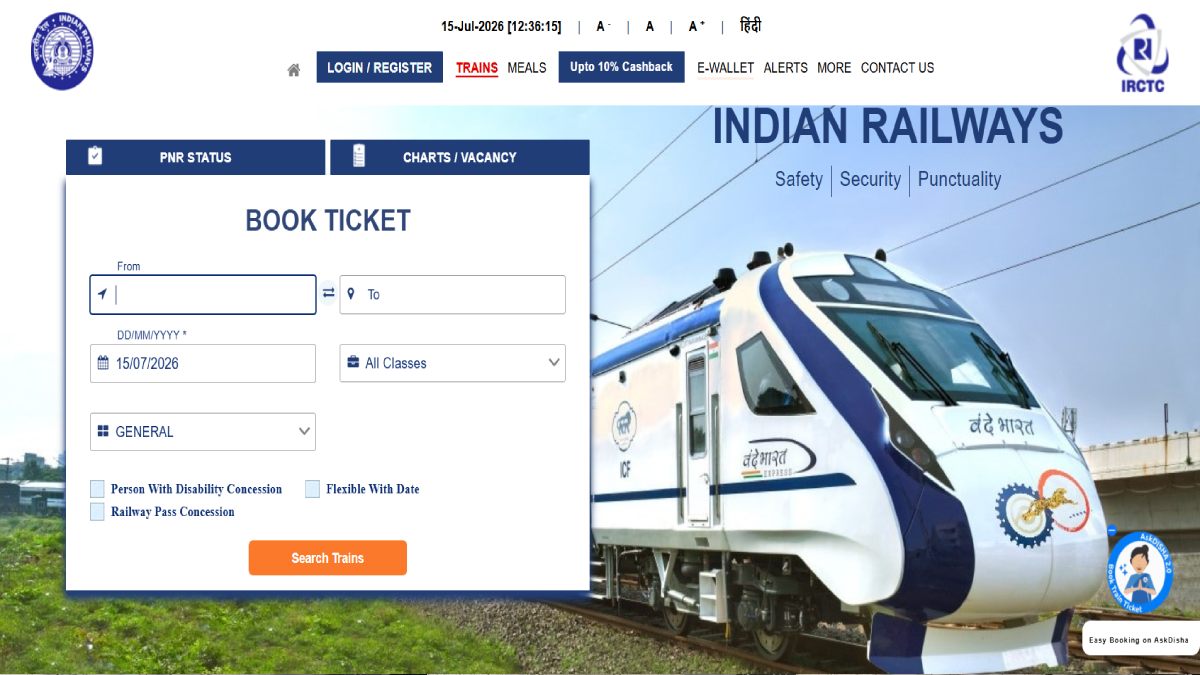
Recently, the Indian Railway Catering and Tourism Corporation (IRCTC) and India’s premium Express, the Mumbai–Ahmedabad Vande Bharat Express, have come under fire as customers complained of the poor quality snacks sold as branded goods. A viral social media story claimed that IRCTC lifted the logo and packaging from Haldiram, then plastered the product into a generic concoction of bad taste. Accusations like this have not only offended passengers but also brought into question the food hygiene as well as authenticity on India’s flagship train.
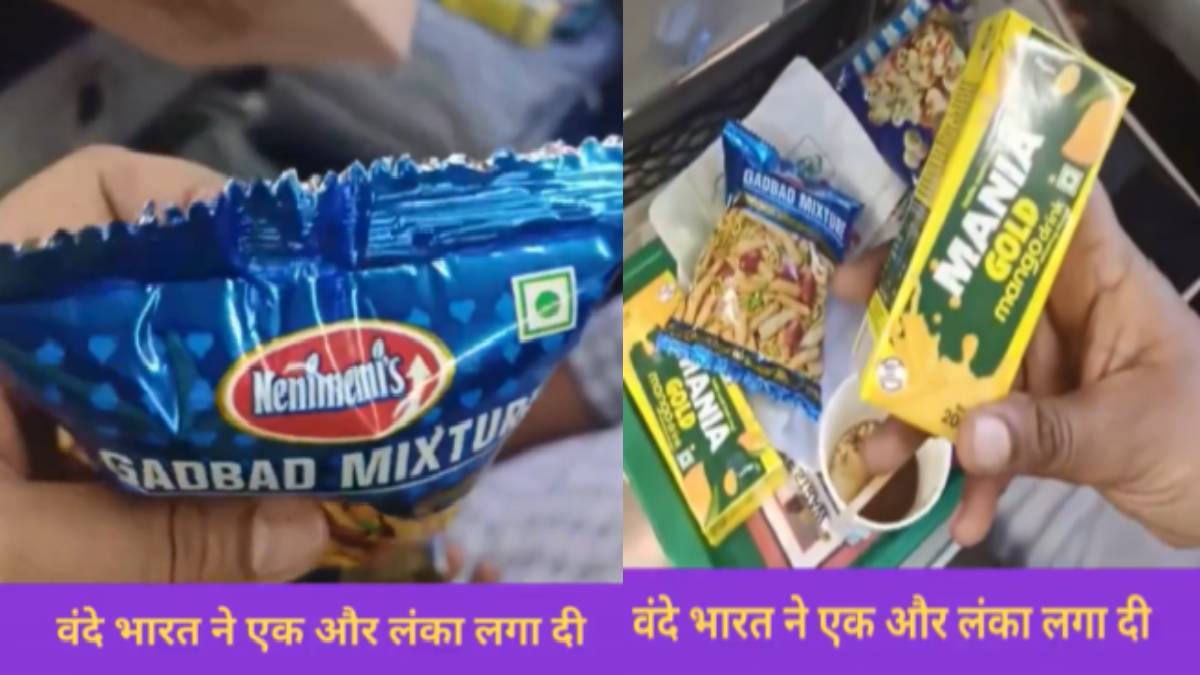
Passengers were served a packet of mixture that looked like something from Haldiram’s packaging, according to complaints. But when they opened it, they found that the contents were of less quality, and had a terrible smell. It was a generic product, not Haldiram, although they claimed to resemble itself with the packaging design. Travelers felt they had been cheated, saying they had expected high-grade service and bespoke fare from the government-funded Vande Bharat Express, promoted as a modern, high-standard train.
The incident swept across social media. Some users vented anger, accusing IRCTC of taking part in malpractices, deeming it a “fraud company”. The statement stressed that passengers were deceived to give branded snacks, and then told to eat a brand of bread instead. The controversy has spurred broader reproach of IRCTC’s catering functions, with calls for accountability and transparency.
The Vande Bharat Express is advertised as a symbol of India’s modern railway system – it offers speed, comfort and premium service. Allegations of counterfeit branding and poor-quality food erode this image. Food quality is an expectation for passengers who pay a premium for fares. The controversy also touches on issues ranging from consumer rights and food safety to whether the government-run services are seen as credible.
This is not the first time IRCTC has been publicly criticized over catering. Previous grievances have centered on hygiene, taste, and prices. But that controversy is especially intense right now, because it relates to a supposed misrepresentation of a successful brand. If true, this could result in harsher legislation on railway catering contracts and suppliers’ liability.
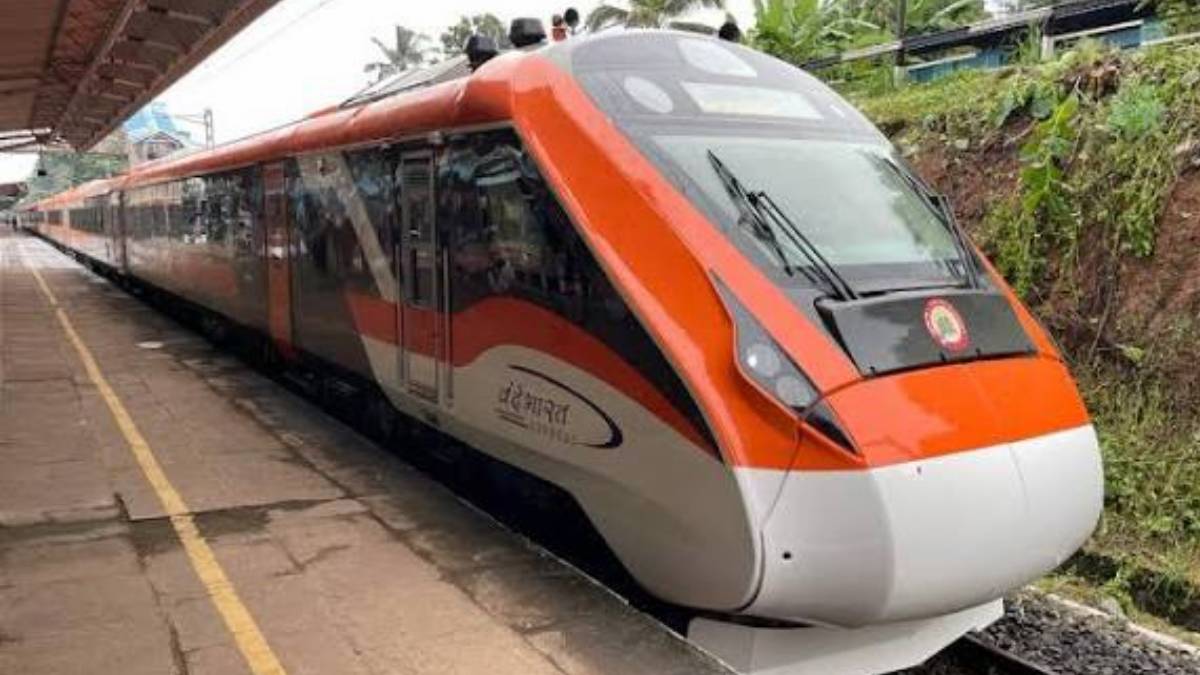
The Mumbai–Ahmedabad Vande Bharat Express snacking row has thrown IRCTC under the spotlight. What we’re really saying here is that “travel was not premium” that was intended, that went into a discourse about food quality and service honesty. The case is a reminder of the need for public goods while passengers demand answers. For IRCTC, building confidence in catering will necessitate urgent actions as well as tighter control over catering.