A new pilot program in the government schools in Kolkata has created a wider conversation about nutrition, food quality and cultural preferences in one of India's most important welfare programmes. The West Bengal government has decided that the Akshaya Patra Foundation, which is run by ISKCON, will prepare and provide mid-day meals to selected government schools in Kolkata. And just after the state's first full budget of this year raised per student meal funding from ₹6.78 for primary school students to ₹10, which is just the beginning of the food quality and service provision plan in this area.

Although the initiative has been much welcomed for hygiene and accountability, egg-free vegetarian meals are not going to be able to satisfy the nutritional needs of schoolchildren in a state where fish and eggs are staple foods for millions of families.
Why ISKCON Has Been Chosen
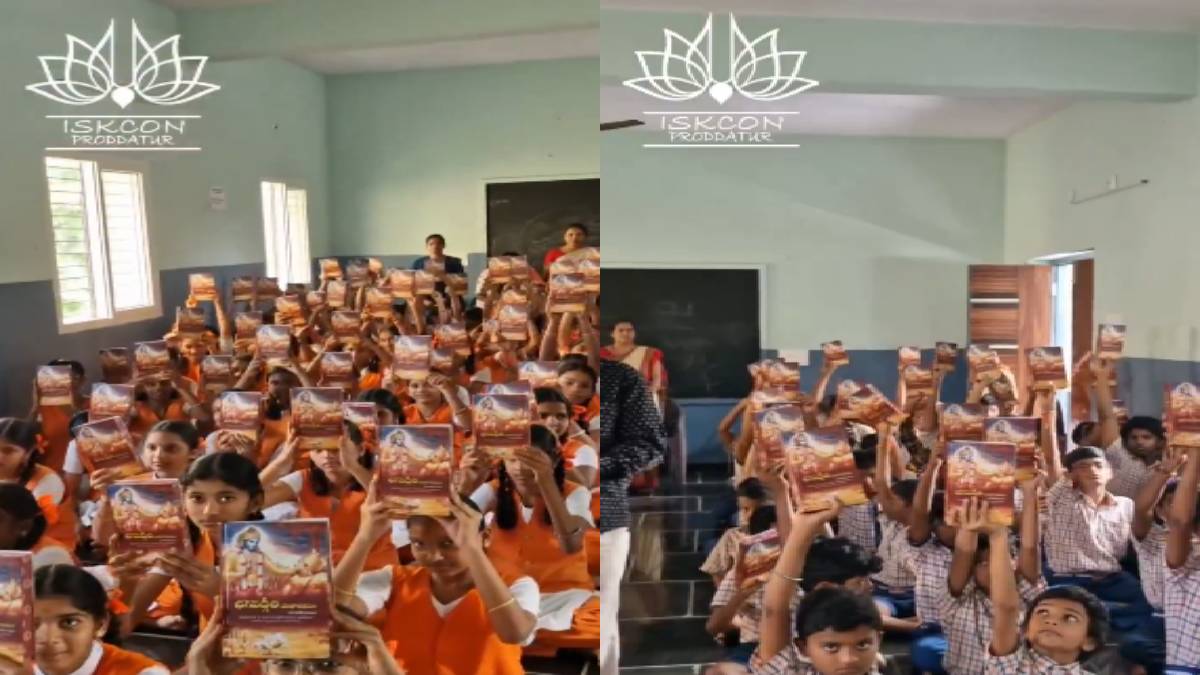
The government chose ISKCON as it has extensive experience in large-scale community kitchens through the Akshaya Patra Foundation. The organisation already supplies meals to more than 160 schools in Kolkata and has a reputation for handling huge amounts of food while maintaining hygiene and quality standards.
Students will receive meals of steamed rice, dal, vegetables and sweets as part of the pilot project. The meals will be in line with ISKCON's traditional sattvik (vegetarian) guidelines and will not contain onion, garlic, eggs, fish or meat.
Food safety and consistency will be greatly improved in centralised kitchens equipped with modern technology, they say. Professionally run cooking facilities will reduce the risk of food contamination and ensure more quality control than decentralised meal preparation systems.
A Strong Focus on Hygiene and Food Safety
One of the goals of the pilot project is to improve hygiene standards in the school meal programme. Many states in India have experienced food contamination over many years, poor storage conditions and inadequate kitchen infrastructure, which has raised concerns among parents and education authorities.
The ISKCON model’s proponents point out that the large-scale kitchens follow strict quality-control processes so meals are prepared in a controlled environment before they get to schools. And for many parents, cleaner and safer food is an attractive option.
The government hopes the improved hygiene standards will enhance confidence in the mid-day meal scheme and ensure that students will be served meals prepared under professional supervision.
The Nutrition Debate: Can an Egg-Free Menu Deliver?
But it has been criticised by nutrition experts and the public. Eggs are one of the cheapest and most effective sources of protein, vitamins and essential nutrients for growing children.
Critics say that excluding eggs from school meals may mean students from economically poor backgrounds do not have access to an important source of nutrition and may not receive adequate protein intake at home. In West Bengal, where fish and eggs are integral components of daily diets, there is the feeling that a strictly vegetarian menu is not the full portrait of local food habits.
Supporters say well-planned vegetarian meals can be a source of balanced nutrition in pulses, lentils, vegetables and dairy. The purpose of the initiative is to provide safe, nutritious meals, not promote any religious ideology, they argue.
Pilot Project to Determine the Future
Government officials stressed the initiative is still a pilot and that future expansion will be dependent on more in-depth assessments. Before making any long-term decisions, authorities will monitor student satisfaction, nutritional outcomes, operational efficiency and school and parent feedback on this program.
The outcome of this pilot could be important for Kolkata. If successful, it could have implications for school meal programs in other regions of the country. At the same time, policymakers will need to balance hygiene advances against nutritional adequacy and regional food preferences.
The programme will be judged by a simple benchmark: whether it provides meals that are safe, nutritious and capable of supporting students’ health, learning and overall development. As the debate continues, the Kolkata pilot has become one of the most important examples of school nutrition in India.