ISKCON is not the only event at Jawaharlal Nehru University that has been cancelled after the left-wing student unions at JNU protested its protest. The move has reignited a debate about student politics, freedom of expression and cultural and ideological events at one of the country’s most politically active universities.
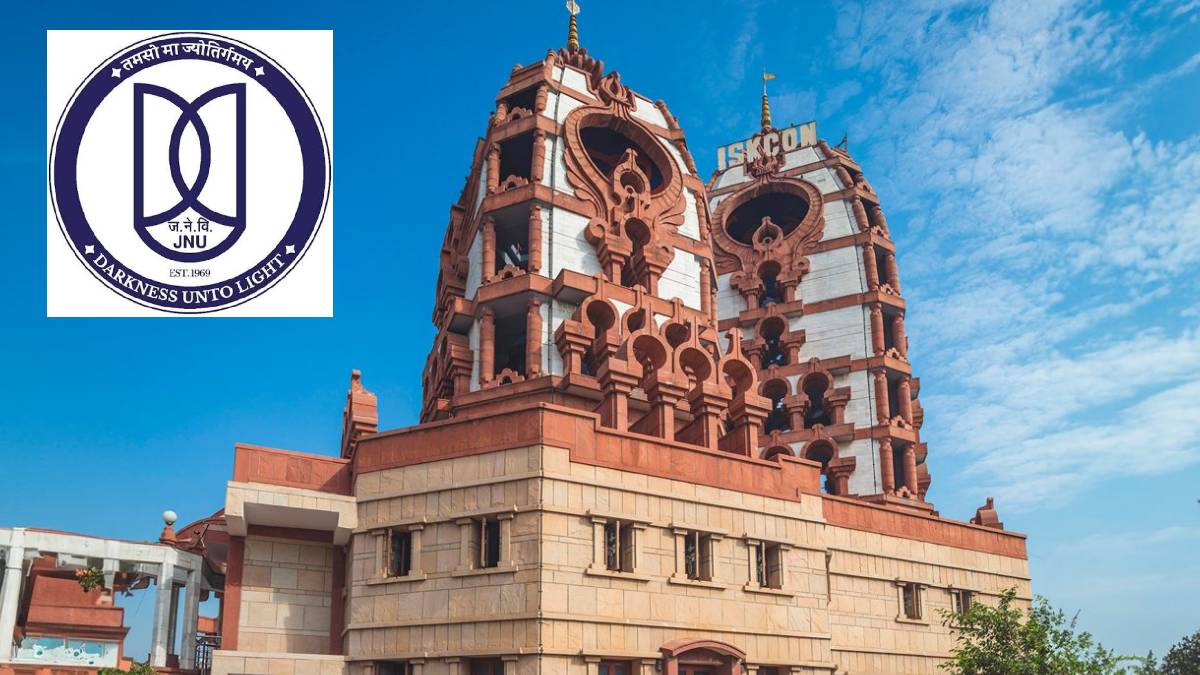
The proposed programme, which was associated with ISKCON, was opposed by left-wing student organisations at JNU. Students protesting the event raised objections and staged protests, following which the programme was cancelled.
The development has quickly become a talking point on campus, particularly because JNU has a long history of intense political debate and competing student organisations representing different ideological positions. Groups of religious, cultural or ideological groups have often been at odds, and student organisations have also claimed the right to ask programmes they oppose.
The recent controversy has once again brought the issue of campus freedom and the right to organise events back to centre. Organisers of the cancelled programme will probably claim to be able to engage in lawful cultural or educational activities without disturbance, and protesting student groups might claim to have the right to object to programmes they feel are inappropriate for the university environment.
At present, at least little is known about the ISKCON-related event, the speakers proposed, and the specific concerns of the protesting student unions. The reason for the cancellation will also be studied by the university authorities.
JNU has always been a centre of student activity and political groups organise demonstrations, debates, public meetings and campaigns on national and campus-related topics. The university's student politics has traditionally included people from all ideological backgrounds; disputes over events and programmes are a part of life on the campus.
The cancellation of the ISKCON-linked event could therefore make student groups react to it in many ways. In case of cultural and religious events, supporters of the programme could maintain the programme, while opponents may continue to push their objections and insist on more consultation before such programmes are held on campus.
It also raises questions about how education institutions can provide students with different ideological and cultural points of view in an atmosphere in which disagreements don’t get out of hand or disrupt the discussions.
Universities are expected to foster debate, conversation and diverse perspectives. At the same time, campus authorities must make sure events comply with institutional rules and that disagreements do not lead to threats, intimidation or disruption of academic activities.
The latest JNU debate comes amid continuing national discussions about the role of student unions and political organisations in universities. Student activism is a key part of democracy, but disputes over campus events can grow politically charged as rival organisations have radically different ideological positions.
The cancellation also underscores the need for clear and transparent procedures for approving campus events. Organisers and student groups have access to well-established mechanisms for raising objections and resolving disagreements; universities may be better positioned to prevent controversies from escalating.
Further details on the cancellation of the programme, the university administration’s position and the future of the programme are awaited. Whether it should be rescheduled, relocated outside the campus or discontinued is to be seen.
The incident will be brought to the attention of students as the university authorities give some answers, if any. JNU's situation once again shows the need to balance academic freedom, cultural expression, student activism and campus discipline in the context of ideological conflict that is always very much a part of university life.