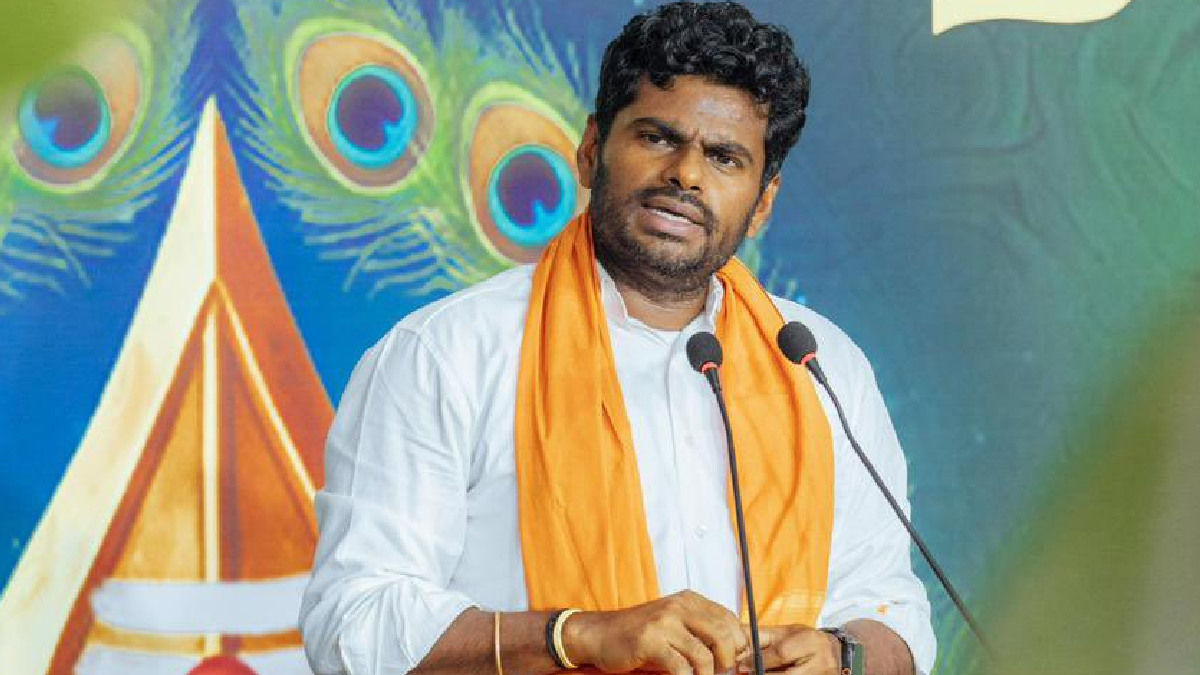
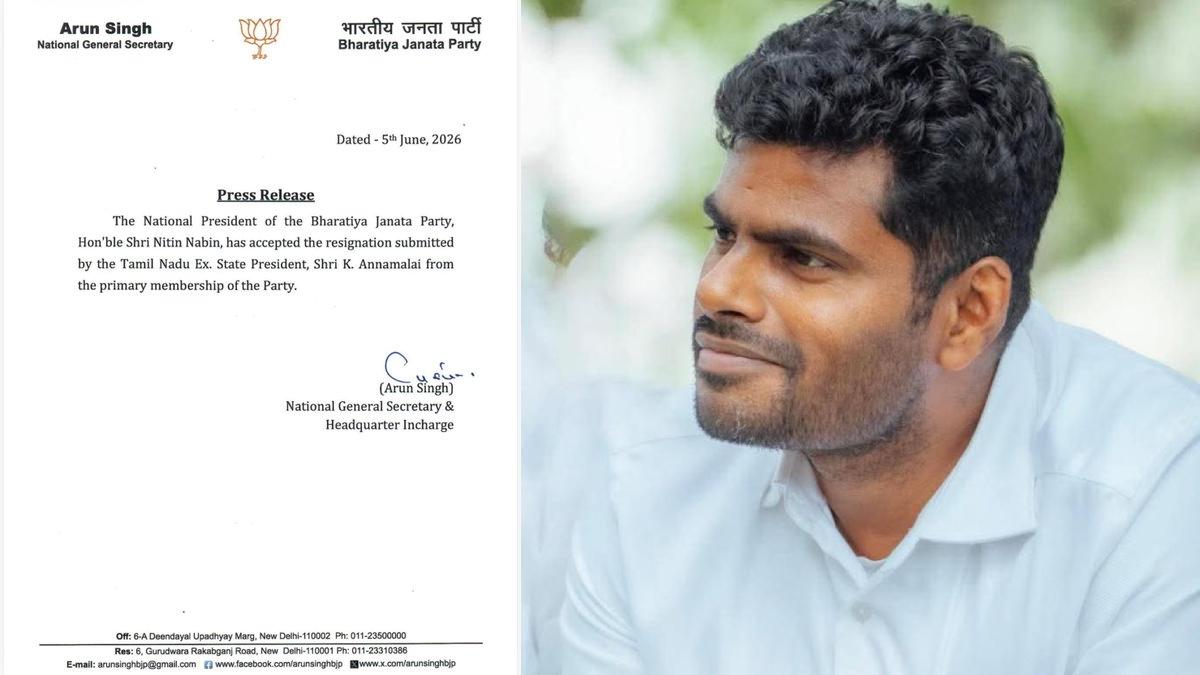
K Annamalai has triggered a political debate by criticising what he called a “Gujarat-centric” model of development, arguing that major investments, technology companies and big sporting events should not be concentrated in a single state.
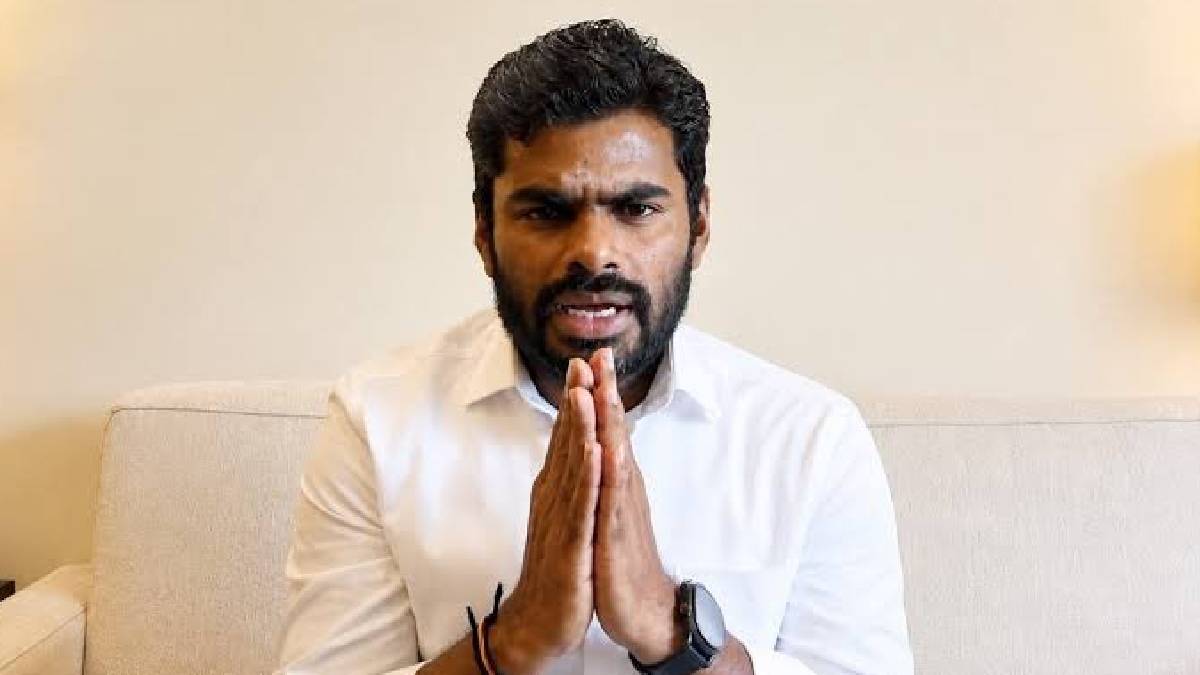
In comments that may be of interest to the Bharatiya Janata Party, Annamalai said: “The Gujarat-centric model of development has to change.” He questioned why major emerging sectors and high-profile events should be repeatedly directed towards Gujarat rather than being spread more widely across India’s states.
Annamalai specifically mentioned artificial intelligence, semiconductor wafer manufacturing and big sporting events and argued that these opportunities should be spread across the country.
His comments also went beyond questions of Gujarat's economic growth. In fact, he criticised what he described as increasingly “Delhi-centric” decision-making within the BJP and advocated for a greater empowerment of state-level leaders.
“You can’t have all AI companies, wafer companies, the 2030 Commonwealth Games, Police Games and 2036 Olympics going to Gujarat,” Annamalai said, as quoted by the remarks being circulated.
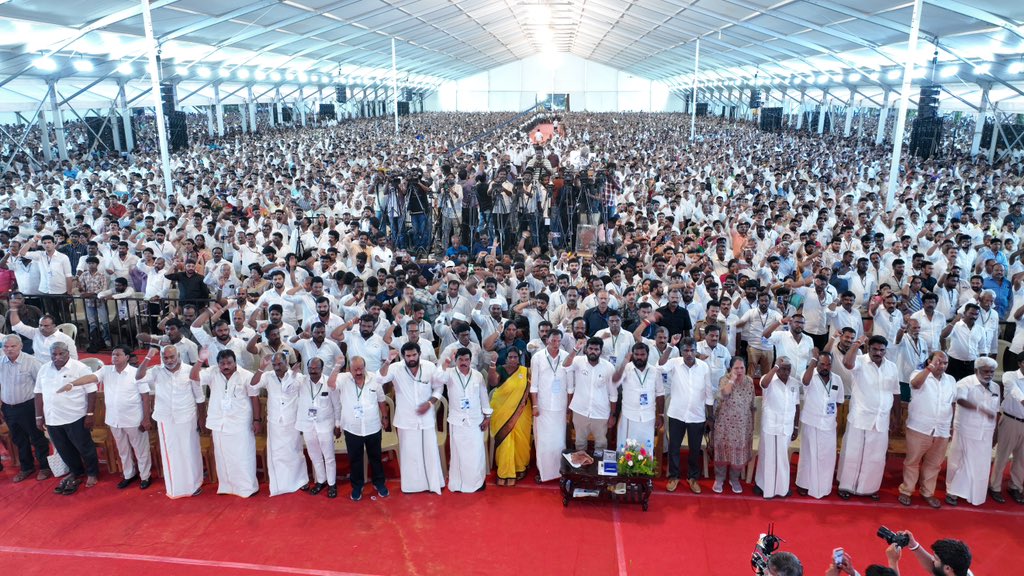
He also argued that BJP decisions should not become too centralised in the national capital and that state leaders should be given greater authority to make decisions based on local circumstances.
The remarks are of particular interest because Gujarat is one of India’s major manufacturing hubs for semiconductors, renewable energy and emerging technologies. The state has attracted several major industrial projects as India is working towards a domestic manufacturing base and reducing reliance on imports.
But Annamalai’s argument is about the larger picture of regional economic balance. India is a vast, economically diverse country and different states have different industrial strengths, infrastructure capabilities, skilled labour pools and investment opportunities.
A more geographically distributed development model could allow states to build specialised economic clusters while reducing excessive concentration of investment in a few locations.
The semiconductor sector is an important example. India is attempting to establish itself as a major semiconductor manufacturing and design hub, and government incentives encourage both domestic and international investment. Large semiconductor projects require significant capital, infrastructure and specialised ecosystems, so competition between states is very important.
Artificial intelligence is another emerging area where states are competing with each other to have a data centre, technology company, research organization and skilled professionals.
Annamalai's comments suggest such opportunities should be distributed according to the capabilities and requirements of individual states rather than being concentrated geographically.
His words also highlight the tension between centralised national planning and state-level autonomy. India is in a federal system, and the Union government and state governments have different responsibilities. National policies can offer a common framework, but implementation and investment decisions often rely heavily on state governments.
The state-level political leaders could, in Annamalai's view, empower the BJP to respond more effectively to regional priorities and strengthen its organisational presence over different parts of India in the short term to make sure that it would be able to respond to regional issues and strengthen its organisational capacity.
The comments are also politically significant because Annamalai, in Tamil Nadu, is a key BJP leader and the party is trying to expand its political reach. Tamil Nadu has an industrial base, a high level of automobile and electronics industry, and huge potential in technology, renewable energy and advanced manufacturing.
For Tamil Nadu and other states in need of big investment, the distribution of national projects can have significant economic implications. Large industrial projects can not only generate direct employment, but also demand for suppliers, logistics, construction, housing and other services.
At the same time, supporters of locating projects in specific states could argue that companies and investors ultimately choose locations because of infrastructure, land availability, logistics, incentives, skilled labour and existing industrial ecosystems.
The debate is therefore much more than political preference. It is also about how India can create multiple competitive economic centres that draw investment and create jobs for people.
Annamalai’s criticism of “Delhi-centric” BJP decision-making adds further flavor to his remarks. His call to empower state leaders is part of a larger argument for greater decentralisation in political organisations.
Whether his remarks lead to an internal debate in the BJP remains to be seen. However, the remarks have put regional development, investment distribution and state-level autonomy at the centre of a fresh political conversation.
With India pursuing ambitious goals in AI, semiconductors, manufacturing and global sporting events, the question of **where these opportunities are located—and how evenly their economic benefits are distributed** will remain a key issue in national politics.