A US filmmaker who was admitted to a government hospital in Odisha has expressed surprise and gratitude for getting treatment without medical costs. Many people from outside India had come to medical services from government hospitals.
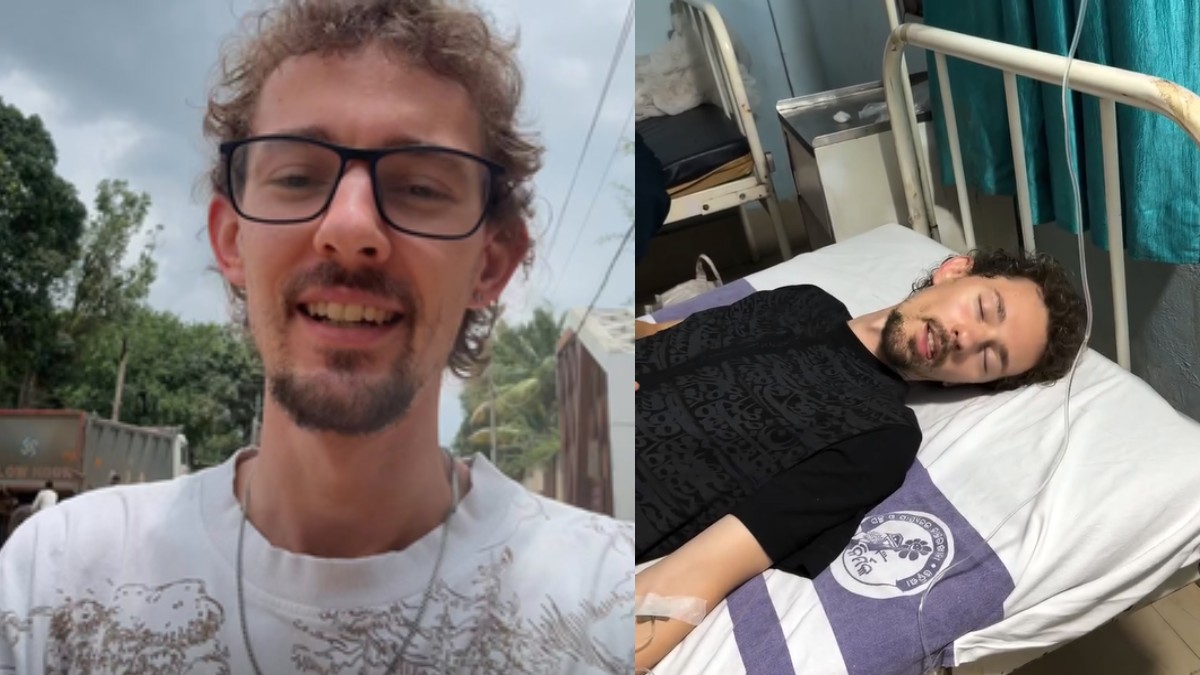
The filmmaker needed medical attention in Odisha and went to a government-run hospital for treatment. He was impressed with the healthcare he had been provided by the hospital and was able to obtain treatment without the kind of direct costs he would have anticipated based on his experience with healthcare systems elsewhere.
The filmmaker’s reaction has prompted interest because healthcare costs vary greatly between countries. In the United States, medical treatment can cost a lot depending on the type of treatment, insurance coverage, and healthcare provider. So receiving treatment at a government facility in Odisha without direct payment was a surprise to the filmmaker.
Government hospitals remain an important part of India's healthcare system, particularly for those who are not able to afford the investment of private healthcare. They offer various services and are often a primary source of medical care for the communities living in urban and rural areas. Odisha has also been working on improving its public health system and improving access to healthcare.
The filmmaker’s experience has made public health accessible. Government hospitals are designed to provide medical services to the general population, and various health schemes and state-backed programs help relieve the financial burden on eligible patients. Such services are especially necessary for poor families and people who may simply not go to medical appointments because they can’t afford the costs.
The filmmaker’s experience has attracted attention, but how a hospital operates is not a single thing, but rather the whole system of people, infrastructure, medicine, and patient load. Government healthcare facilities in India are facing challenges and opportunities, and experiences can vary from one hospital to the next. Positive experiences will also show why investing in public medical facilities is important.
Healthcare in another country can be challenging for an international visitor. Language, documentation, payment systems, and unfamiliar procedures can add another layer of worry. The experience of the US filmmaker seems so positive because he got care at a government-run facility.
The incident also illustrates how personal experiences can influence perceptions of a country’s public services. Visits to places can create impressions of places (not just of attractions but also of people in the local community and institutions). A positive experience in a hospital is therefore an unexpected but significant part of the experience for a traveler abroad.
Odisha has been investing in healthcare services through government hospitals and health programs. Public hospitals offer emergency services and general medicine to specialist services, depending on the facility. Private healthcare institutions are particularly important in areas where they can be quite expensive and difficult to access.
The filmmaker’s appreciation may also bring the larger idea that healthcare ought to be available to everyone, regardless of financial means—and the price tag of medical treatment in many parts of the world. Publicly-backed healthcare services can help remove the barrier to accessing care and make sure people get what they need when they need it.
At the same time, the incident should not be interpreted as implying that every healthcare service in India is truly free for every person under every circumstance. Eligibility, treatment type, hospital policy, and government health schemes can tell us what services can be provided without compensation. So, the filmmaker's treatment and the relevant arrangements would be essential to understand the whole point.
But the story has been resonant because it gives a very different picture of India's public healthcare system. An international filmmaker receiving treatment in an Odisha government hospital and reportedly impressed by the absence of direct treatment costs is an example of how publicly funded institutions can be the answer.
Healthcare workers are also a big part of that. Doctors, nurses, technicians, support staff, and other hospital staff work in demanding situations in which there are many patients. Patients’ positive feedback can support their role in government healthcare facilities.
The filmmaker’s response might also help to change minds about the strengths and challenges of India’s healthcare system. Government hospitals still have such challenges as overcrowding and resource constraints, and in some regions at least, they are still a necessary part of healthcare delivery. They can go to meet local needs in developing their infrastructure, hiring, and technology, and in doing so enhance the health services in a better way.
For Odisha, the incident is an opportunity to showcase the need for accessible healthcare as part of the state's public service infrastructure. But the story attracted attention not because of a celebrity medical case or an expensive private facility, but because there’s an international patient who has been treated by the public health system in public hospitals.
In the end, the episode helps to underscore an important but very fundamental aspect of healthcare: timely medical attention can be really helpful to patients in the future. The US filmmaker’s reaction is a good example of how what we consider routine for local patients can be something very different to a person who has grown up with a different health system.
As details of the incident emerge, the filmmaker's experience will remain a big talking point for Odisha government healthcare services. His appreciation for the public hospitals of the state is a good thing for public hospitals but also to be seen as a good sign of how much affordable and accessible medical care is for affordable care that can be delivered.