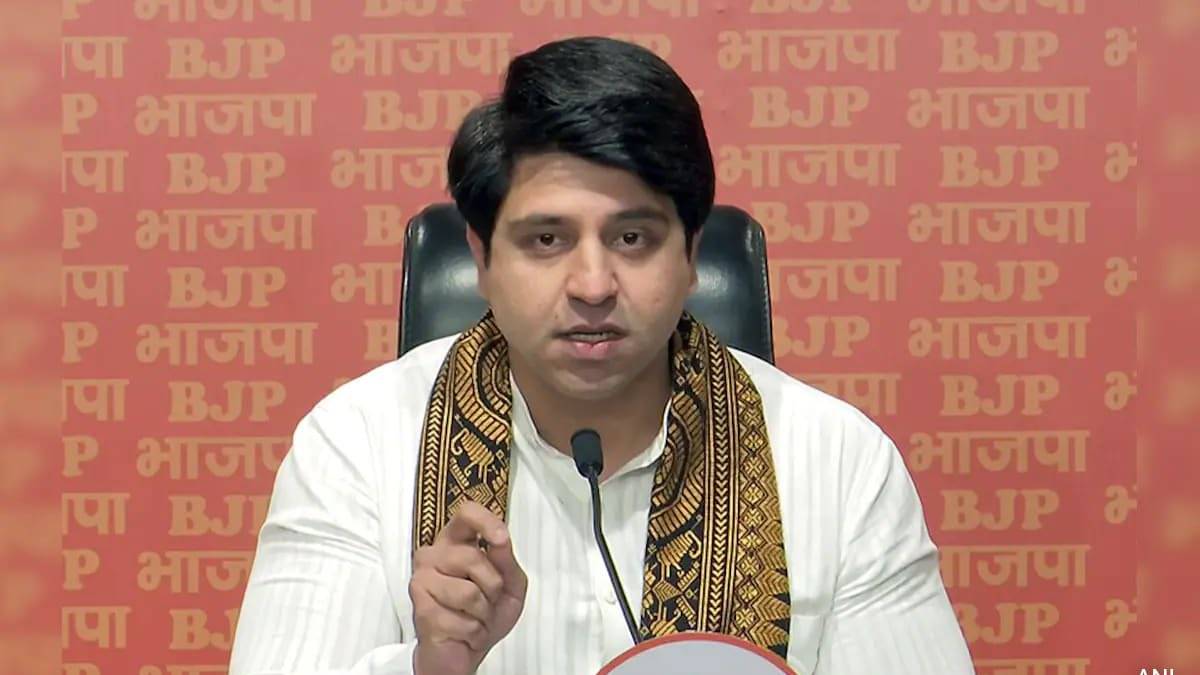
Shehzad Poonawalla has called for a major rethink of India’s personal income tax structure, arguing that salaried middle-class taxpayers should not have to bear the burden of personal income tax until they receive world-class public facilities in return.
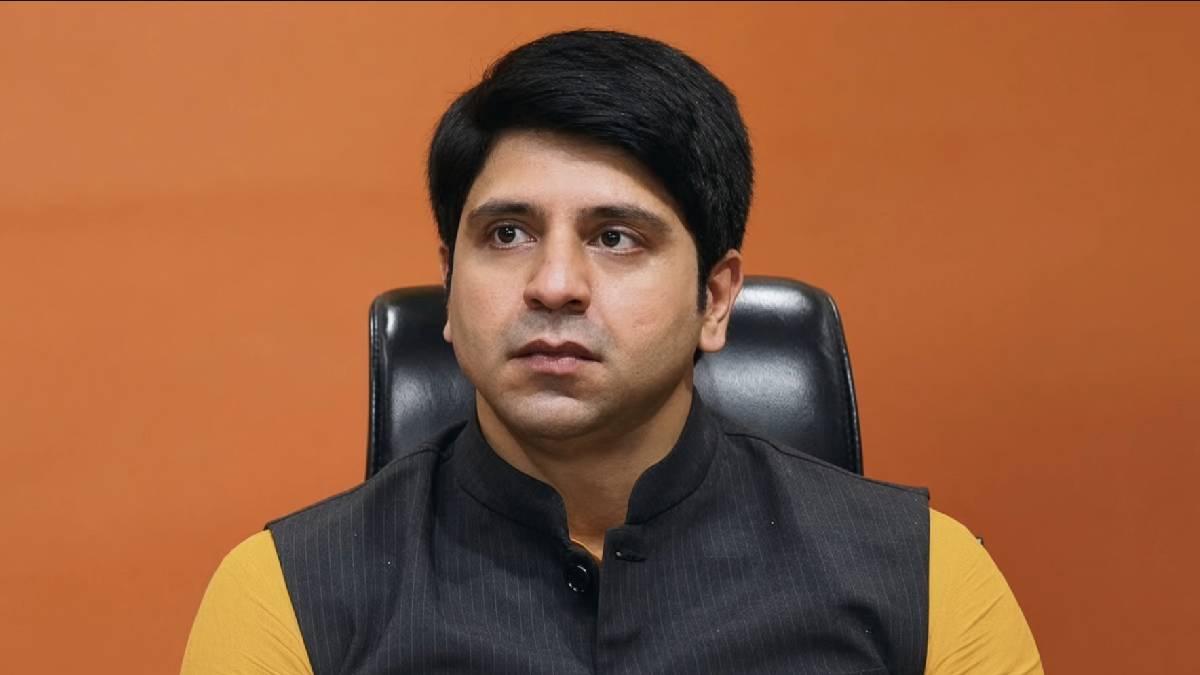
Poonawalla said: “It’s time to abolish personal income tax for the salaried middle class until we get world-class facilities.” His comments have reignited the debate over India’s taxation system, the financial pressure on salaried households and the quality of public services available to taxpayers.
The argument comes at a time when household finances, disposable income and the cost of living remain important concerns for India’s expanding middle class. Salaried employees typically have limited flexibility in managing their taxable income because their earnings are formally recorded and taxes are generally deducted at source.
Salaried employees generally have fewer options to reduce their taxable income, unlike other business structures where income and expenses can be handled differently in the framework of tax law. This is why personal income tax is a particularly visible part of their annual financial burden.
Poonawalla's arguments are about the relationship between taxation and public services. Taxpayers contribute to government revenues in the hope that these resources will fund infrastructure, healthcare, education, public transport, law enforcement and other essential services.
The question of whether citizens are getting enough from taxation has thus been a recurring economic and political concern.
India’s tax system depends on many forms of government revenue and taxes, including direct taxes such as personal income tax and corporate tax and indirect taxes, such as GST. Personal income tax is one of the highest sources of government revenues and is responsible for public expenditure at both the central and state level.
Elimination of personal income tax for a big part of salaried taxpayers would therefore have very big fiscal implications. The government might need to look for other revenues or cut spending to compensate for any big drop in direct tax collections.
At the same time, supporters of major tax relief argue that leaving more money in the hands of middle-class households could increase disposable income and consumption. More household income might be used up in housing, education, healthcare, travel, consumer goods and investments.
Higher disposable income might also encourage savings and investment and thus economic activity.
Another argument for reducing personal income taxes is that a simpler tax structure and more incentives for formal employment are better for the public. If salaried workers keep more of their income, then the financial benefits of formal employment could be more tangible.
But any broad tax exemption would need to be carefully designed. The ultimate elimination of personal income tax for the whole salaried middle class would leave a big hole in government finances, and defining who qualifies as "middle class" could be a bit of a conundrum.
In India, the income levels differ widely between states and cities. A middle-class salary in one city might represent a very different living standard in another. Policymakers would have to set parameters for income levels if the proposal were to be considered.
One of the most important concerns is fairness between different classes of taxpayers. If salaried employees receive huge relief while many other taxpayers are still paying income tax, professionals, self-employed people and small-business owners may be in a position to ask some questions.
Poonawalla’s comments, however, highlight a bigger issue: how should India balance revenue collection with the need to improve household purchasing power?
And for taxpayers, the debate is not just about lower tax rates. It’s also about the quality of government services and accessibility. Better roads, better public transportation, clean cities, better healthcare, better government schools and better civic infrastructure will determine how citizens see the value they pay in return for taxation.
So the proposal could be discussed by economists, policymakers, salaried professionals and middle-class households.
While abolishing personal income tax would be a major policy change, more targeted measures would also address some of the concerns raised by Poonawalla. That could be higher tax exemptions, revised income tax slabs, larger standard deductions or targeted relief for lower- and middle-income salaried workers.
The debate comes down to the intersection of tax burden, disposable income and public service delivery. Poonawalla’s comments have put that relationship back into focus, especially for India’s salaried middle class.
As much as one would expect from lower taxes, better public services or something in between, the bigger problem for policymakers is how to make sure that economic growth translates into a better financial position and better quality of life for ordinary taxpayers.