Kabini reservoir, one of Karnataka’s most important water bodies and one of the first major reservoirs in the state to reach its full capacity during the monsoon season, is in a very peculiar and alarming situation this year. Located in the HD Kote taluk of Mysuru district, the reservoir has at present been at low water levels in spite of the arrival of the southwest monsoon and farmers, residents and water resource officials are worried.
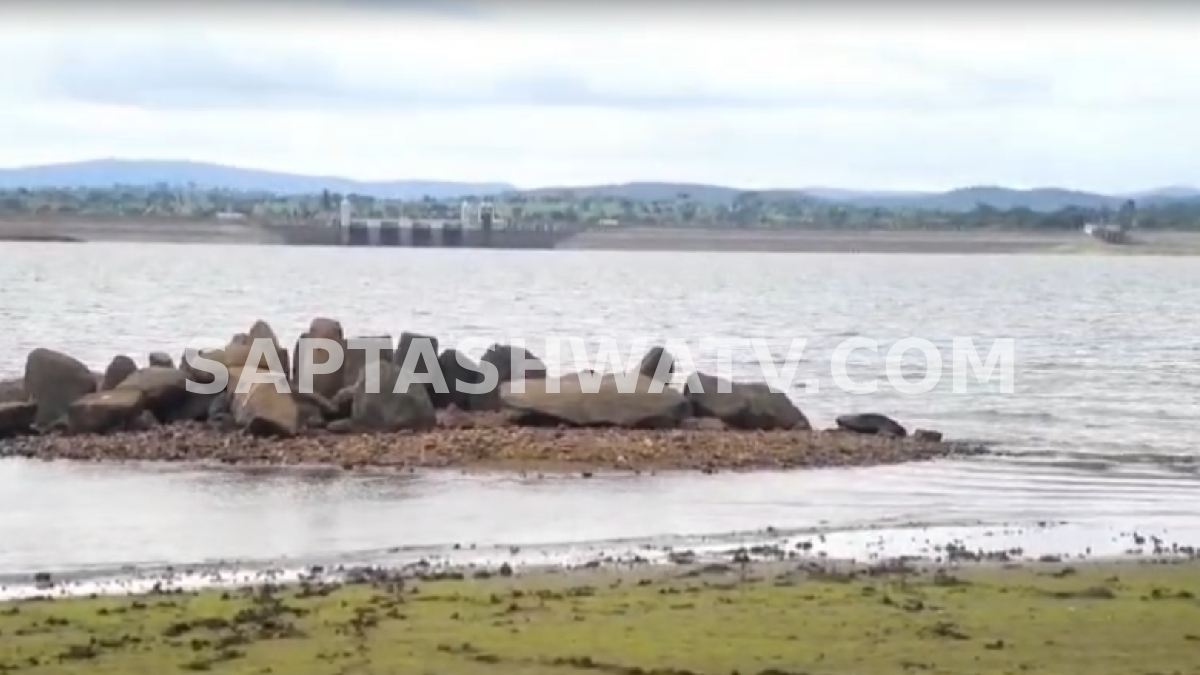
Kabini Dam has historically attracted large inflows from its catchment sites in Kerala and Karnataka, and has been almost full by the first week of June. But this year is a very different story. The reservoir, which has a full reservoir level of 84 feet, has dropped to around 50 feet, exposing deep sections of the lakebed that normally are underwater.
The water flows into the reservoir are dropping dramatically, officials and people living in the area say. At present, inflow is about 150 cusecs, far below the average inflow during this period. The lack of rainfall is raising questions about the distribution of rainfall in the catchment area and how it will affect irrigation and drinking water supply in the future.
The decreasing water level is particularly worrying because the Kabini Reservoir is crucial for agriculture and downstream water management systems. Inflows are still low, and in the weeks to come, the authorities might have to strictly monitor water releases and prioritise critical needs.
The low water level is a major issue, but the backwater in the reservoir is another issue, which is being met with criticism from residents. Many of the tourists are reckless and unsafe in the backwater areas, the report said.
Residents say groups of visitors are organising drinking parties near the reservoir and drinking alcohol in public spaces. The situation has deteriorated recently, with the tourists allegedly driving vehicles into the backwater region and performing dangerous stunts.
Young people say that one group of visitors took a car to the river after drinking alcohol. In fact, the incident was almost a tragedy, and the tourists narrowly escaped it. Residents say this type of reckless behaviour is still a thing.
So when tourists leave with empty liquor bottles and other trash after their gatherings, the locals have voiced their frustration. The littering has not only taken away the natural beauty of the area, but has also raised environmental concerns about pollution in the reservoir.
Community members have expressed disappointment over a lack of respect for the ecological significance of the region. Many have called on authorities to monitor tourist activity more closely, put greater pressure on enforcement and take action against those who act unsafely or are environmentally harmful.
Environmentalists have also noted that days of low water levels are particularly susceptible to pollution and ecological damage. Increased human activity in the exposed areas can affect wildlife habitat, water quality, and ecosystem health.
The twin challenges of depleting water levels and irresponsible tourism have led to immediate intervention. Local authorities, tourism authorities and law enforcement agencies should put more safeguards in place to protect the reservoir and ensure public safety, residents say.
The Kabini Reservoir is under close examination in Mysuru district with a good prospect for stronger monsoon inflows. And for many residents, the hope is not only to replenish the rains but that visitors will be more responsible so that one of Karnataka’s most important reservoirs can be preserved for future generations.