Heavy monsoon rains in Kerala's Wayanad region have drastically changed the water situation in the Cauvery region, which provides relief to Karnataka at the same time as it has raised flood concerns for the downstream areas. The Kabini Reservoir in the Mysuru district of Karnataka is at the brink of being full of water, and authorities are forced to release huge quantities of water into the Cauvery River.
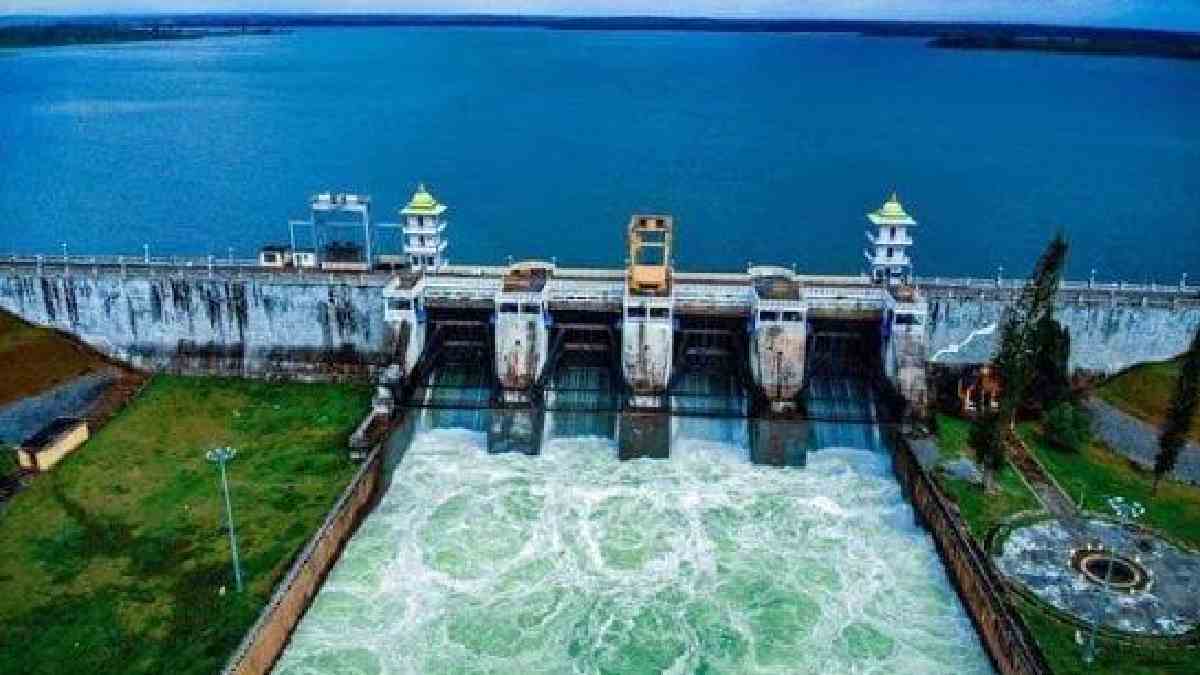
The development comes at a time when Karnataka was under pressure to release Cauvery water to neighbouring Tamil Nadu under the Cauvery Water Management Authority (CWMA) order. But abundant rainfall has led to the state releasing water at a rate much higher than Tamil Nadu had desired, but the state has also managed to get water to Tamil Nadu so far, reducing concerns over compliance with the water-sharing order.
Earlier, the CWMA had ordered Karnataka to release 3,500 cusecs of water daily to Tamil Nadu for 15 days beginning July 29. The order was expected to release some 3.5 to 4 thousand million cubic feet (TMC) of water over two weeks.
But this situation has drastically changed due to torrential rainfall in Kerala's Wayanad district, one of the major catchment areas for Kabini Reservoir. The constant downpours have increased inflows into the reservoir, and water is now flowing into the dam at nearly 30,000 cusecs, which is many times more than the water required for Tamil Nadu.
Kabini Reservoir in H.D. Kote taluk of Mysuru district has a maximum storage of 84 feet. Water level has already risen to around 82 feet, officials said, which means that the reservoir is almost at full capacity. Irrigation authorities have increased water discharge to the river to keep the dam strong and have enough water for more inflows.
In fact, nearly 25,000 cusecs of excess water is released downstream every day. As a result, Tamil Nadu has already received more than 4.5 TMC of Cauvery water within just two days, well above the approximately 4 TMC it had asked for through the water-sharing mechanism.
The huge inflows have turned what was already a contentious interstate water-sharing issue into one of nature. Just a few days ago, Karnataka was in a panic over the necessity of releasing Cauvery water due to the state’s agricultural and drinking water needs. The abundant rainfall has alleviated those concerns by replenishing the reservoir naturally.
The full reservoir has brought some relief to farmers, water managers and policymakers, but it has also created a new challenge. The continuous release of water has increased the risk of flooding in low-lying areas along the Kabini and Cauvery rivers.
Residents of the Irrigation Department and reservoir authorities have issued safety alerts to those along the riverbanks, and residents living along the banks have been advised to stay alert by the Irrigation Department and reservoir authorities. Water levels are rising, and people in the communities at risk, where the water levels are rising, should be aware of it, they said, and should take livestock, agricultural equipment, and other precious belongings to safer places when needed.
Emergency response teams are also monitoring the situation to ensure that no untoward incidents occur due to the increased discharge from the reservoir. Local administration is ordered to keep disaster management personnel on standby and to relay the situation to the communities downstream.
If the Wayanad catchment and other areas of the river have heavy rainfall, inflows into the Kabini Reservoir could remain high in the coming days. This might require more releases from the dam to maintain safe storage levels that could put flood risk in downstream parts of the Cauvery basin too.
Karnataka has so far largely enjoyed relief from the pressure of following the Cauvery water sharing directive given the good monsoon conditions. But authorities will still have to balance reservoir safety, downstream flood management, and interstate water distribution with the safety of the people living along the river.