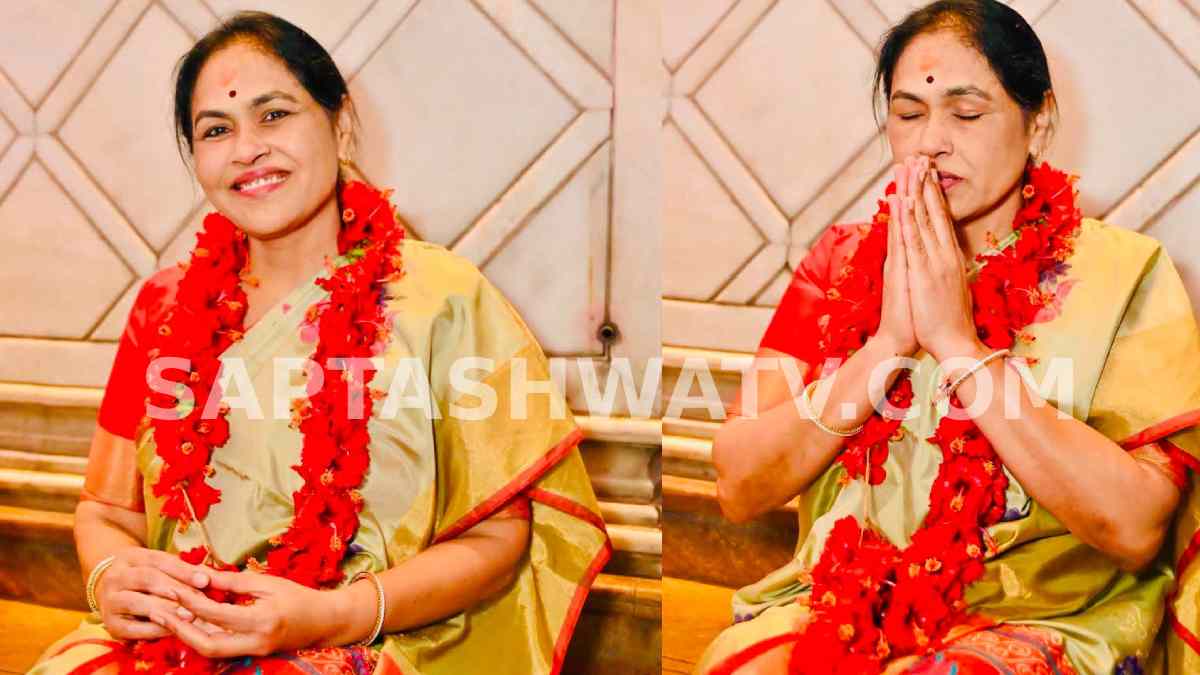
Union Minister Shobha Karandlaje visited the revered Kalighat Kali Temple in Kolkata, a shrine deeply associated with the worship of Goddess Kali and one of the important Shakti Peethas in Hindu tradition.
Kalighat is located in southern Kolkata, one of the city’s most important religious nodes. The temple is visited all year round by devotees who pray, seek blessings, and experience the spiritual atmosphere of the shrine. West Bengal Tourism describes Kalighat as one of the holiest Shakti Peethas and says it has a long history of religious significance.
Visiting Kalighat is a spiritual experience for devotees. Maa Kali, one of the most cherished manifestations of the Divine Mother in Hinduism, is worshipped here.
Kalighat’s significance as a Shakti Peetha
According to Hindu religious tradition, Shakti Peethas are sacred places connected with the story of Goddess Sati and Lord Shiva. Various parts of Sati's body fell at different places in the Indian subcontinent.
Kalighat is traditionally associated with Sati's right toe. India's official tourism portal, Incredible India, describes the temple as one of 51 Shakti Peethas and writes that the right toe of Goddess Sati is believed to have fallen at the site.
These traditions are part of the religious identity of Kalighat, and pilgrimage to it still draws pilgrims looking for spiritual connection and blessings.
The Divine Presence of Maa Kali
The presiding deity of the temple is Goddess Kali. The idol at Kalighat has three eyes, four hands, and a large golden tongue. These are the essential characteristics of the shrine in religious significance.
For devotees, seeing the deity is one of those very personal moments of prayer and thought for them, a very personal experience of prayer and reflection. People visit the temple for very personal reasons, for peace, prosperity, protection, and the well-being of their families.
The temple’s religious atmosphere, rituals, and centuries-old traditions have made Kalighat a pilgrimage site for devotees visiting Kolkata.
Kalighat and Kolkata’s cultural heritage
Kalighat is of much more significance than its religious function. The temple has been associated with Kolkata’s cultural and historical heritage for centuries.
West Bengal Tourism notes that the temple is located near the Adi Ganga and includes the main sanctum, the Nat Mandir, and a Shiva shrine. The temple complex also has a shrine dedicated to Radha and Krishna.
The present temple structure dates to the early 19th century. Incredible India states that the present architectural structure was completed around 1809 under the patronage of the Sabarna Roy Chowdhury family of Barisha.
The temple, then, is a combination of religious tradition, historical continuity, and Kolkata’s cultural heritage.
Where Prayer and Devotion Are
Visiting a religious shrine for visitors like Shobha Karandlaje can also give them a chance for prayer and reflection away from the daily routine of public life.
Kalighat still draws people from all parts of India who come with their own prayers and hopes. Some travel here to receive blessings for their families, and others come for pilgrimage or in order to reacquaint themselves with their faith.
The official Incredible India tourism portal describes Kalighat as one of the major pilgrimage centers in Kolkata and highlights its strong connection to Goddess Kali and the spiritual landscape of the city.
The temple is still an important part of Kolkata's religious calendar, with festivals like Kali Puja, Durga Puja, Poila Boishakh and Sankranti drawing large numbers of devotees.
Kalighat’s Enduring Spiritual Legacy
Kalighat Kali Temple is still a symbol of faith for many of its devotees. Its links to Shakti Peetha, the worship of Goddess Kali, and its long history make it one of the most important places in Kolkata.
Shobha Karandlaje’s visit highlights the importance of this temple to generations. For devotees, Kalighat is a holy place where prayer, tradition, and cultural heritage unite.
The temple remains closely connected to Kolkata's spiritual identity and India’s rich religious traditions, with people coming to the shrine to seek Maa Kali’s blessings.