India and the United States have initiated the 22nd edition of their joint military exercise, Yudh Abhyas 2026, for troops from both countries to participate in training for combat and counterterrorism exercises. The exercise has been organized at Auli in Uttarakhand and at the Mahajan Field Firing Range in Rajasthan. This edition has a high focus on technology-enabled infantry training and soldiers are equipped with unmanned systems, robotic platforms, trained canines, and sniper teams.
Hence, about 600 troops from each country are participating in the exercise and the exercise will run through September. The drills are intended to enable soldiers from both armies to work together in challenging and realistic situations as well as improve coordination, communication, and interoperability.
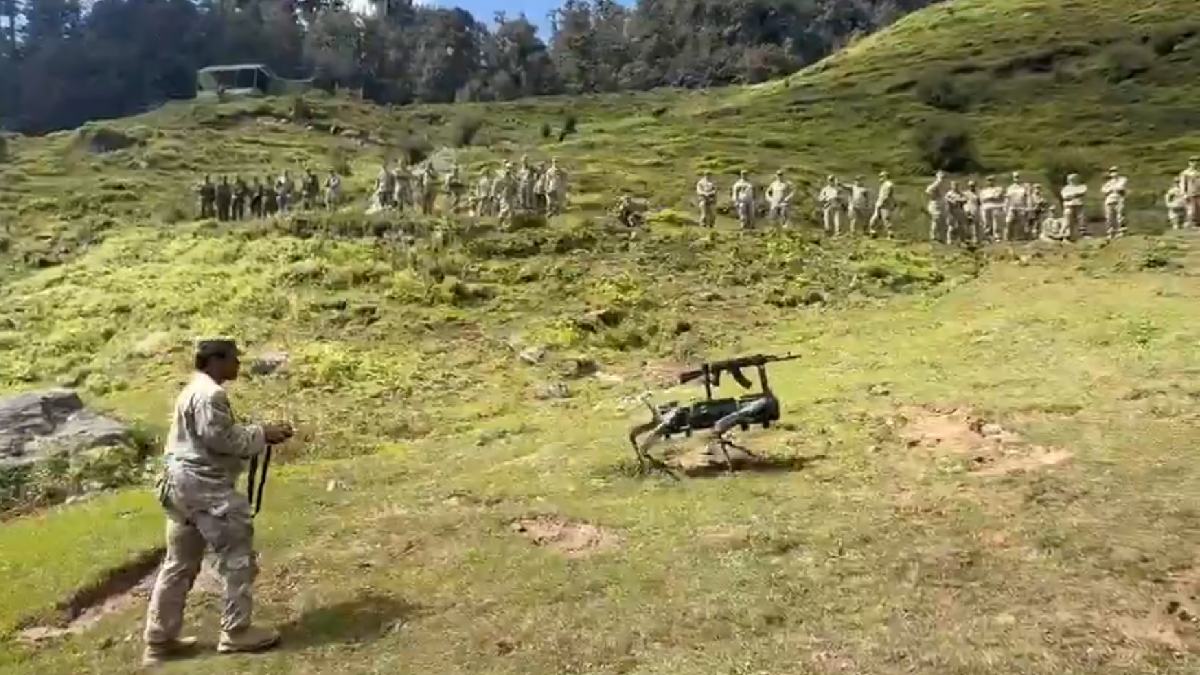
One of the key aspects of Yudh Abhyas 2026 is the integration of robotic mules and other unmanned platforms into tactical exercises. Robotic systems might help troops carry equipment, supplies, and other loads across difficult terrain, reducing the physical burden on soldiers. Their use during the exercise also reflects the growing role of unmanned technology in modern military operations.
Nano drones are also a critical part of training. Compact drones can give troops a bird’s eye view of an operational area and assist in surveillance and reconnaissance. In realistic urban warfare scenarios, such drones can be used to learn about places and activities to guide soldiers before entering dangerous areas.
The exercise also contains military canines and sniper teams to integrate the old-school with the new. Different teams in the mix for responding to complex situations are used to help the teams. Such exercises are more important in counterterrorism missions in which soldiers need to work in a tight urban environment and respond quickly to changing threats.
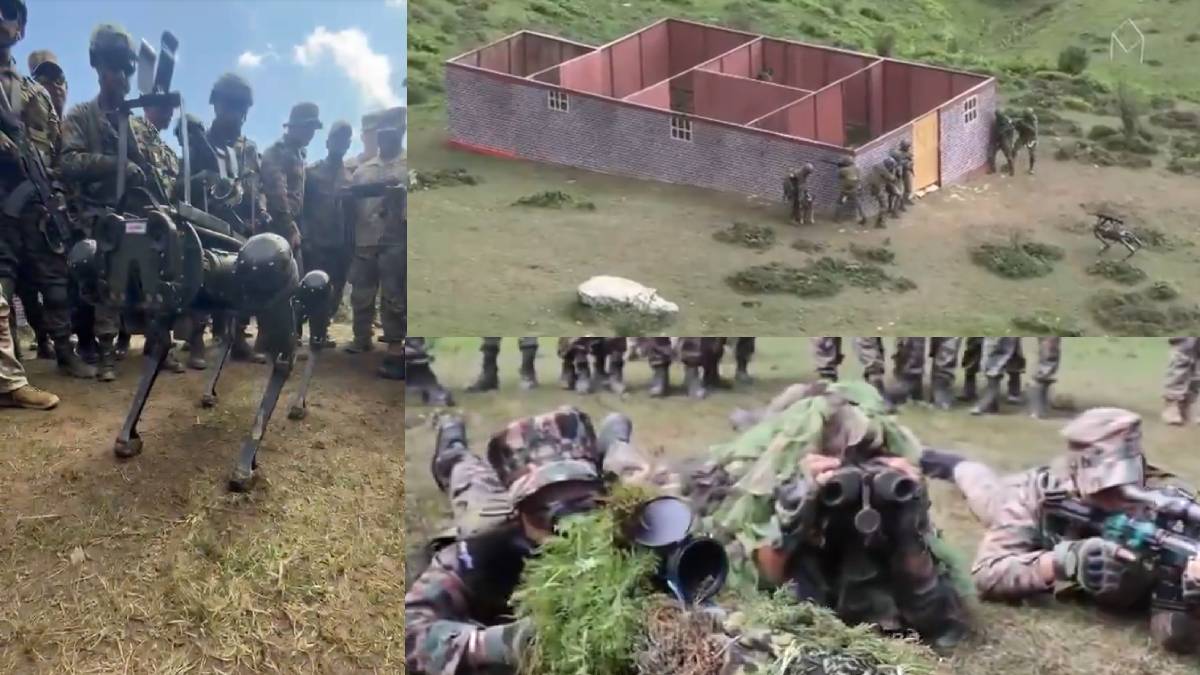
The simulated urban scenarios are intended to test troops’ ability to leverage their capacity to work together by means of manpower, surveillance, and specialised capabilities during operations. Instead of relying on traditional infantry tactics, soldiers will be trained to employ unmanned systems in a larger fight as part of a wider operational strategy.
Unmanned platforms are also highlighting the changing nature of battlefield operations. Robotic systems and drones can perform some patrol, reconnaissance, or logistical duties and minimize the dangers to personnel from the immediate field of operations and the dangers of exposure to danger. Their incorporation into exercises like Yudh Abhyas provides troops with some practical experience in the field of work with new technologies.
Yudh Abhyas is an important military cooperation between India and the U.S. annually; the exercise enables the two armies to conduct joint exercises, communicate tactical skills, and have a better understanding of each other’s actions. It also allows for interoperability between personnel and the equipment used by the two forces.
Robotic dogs hit the high-altitude terrain as Indian and US troops train together during Exercise Yudh Abhyas. pic.twitter.com/4LBR0g1pnE
— Ajit Doval ᴾᵃʳᵒᵈʸ🇮🇳 (@IAjitDoval_IND) September 17, 2026
The 2026 edition also comes as both countries continue to expand their defence cooperation across many domains. Joint exercises like Yudh Abhyas provide troops with practical experience of working together in simulated operational environments.
With exercises taking place in the mountainous terrain of Auli and the vast training area of the Mahajan Field Firing Range, personnel are exposed to different operational settings. The use of terrain-specific training as well as technology-enabled drills is intended to give troops the ability to respond to a wide range of operational scenarios.
As Yudh Abhyas 2026 continues through September, robotic mules, nano drones, trained canines, and sniper teams will continue to be an integral part of the exercise. The drills demonstrate how military training is increasingly incorporating unmanned systems and conventional infantry, as well as providing Indian and US troops with opportunities for joint tactics and coordination through a combined effort to hone joint tactics and operations.