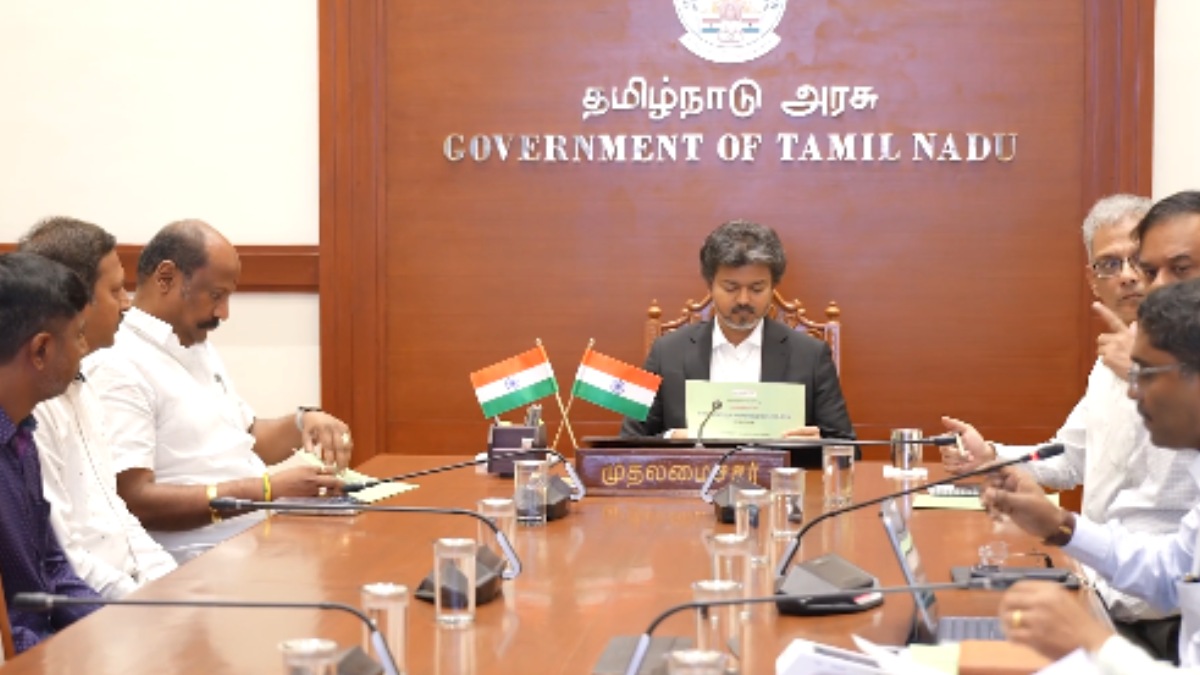
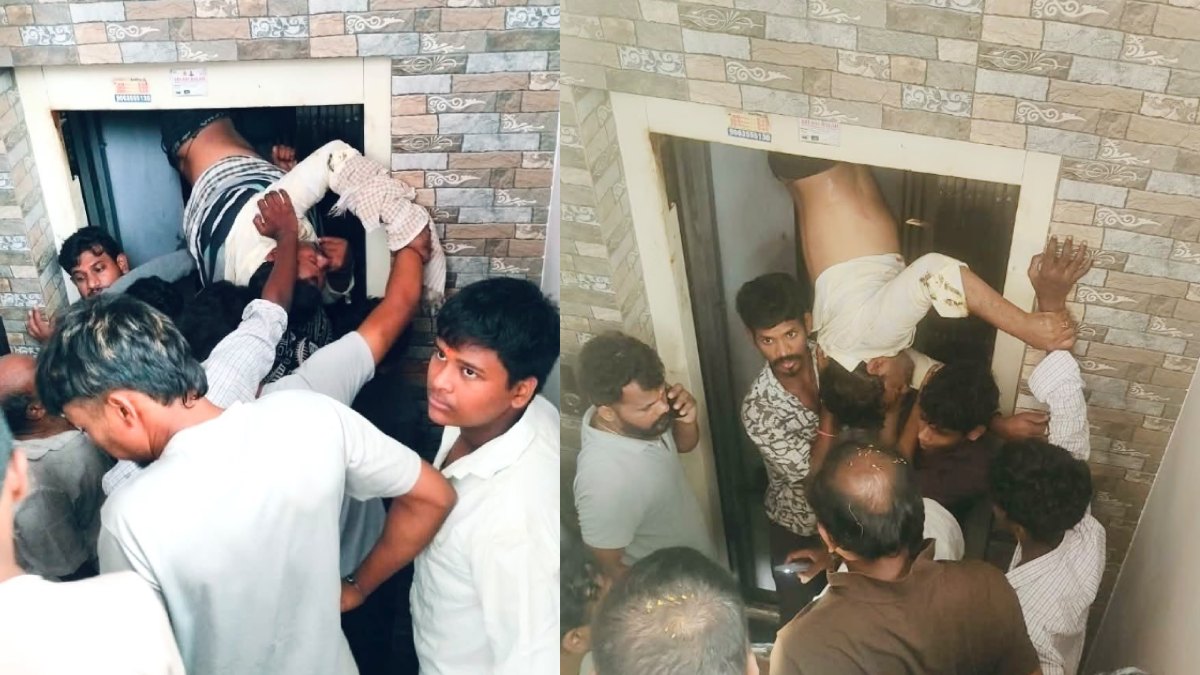
A fresh political debate has emerged over the use of public roads for religious activities after an opposition leader questioned why Namaz cannot be offered on roads while devotees are allowed to carry the Kanwar on public roads during the Kanwar Yatra.
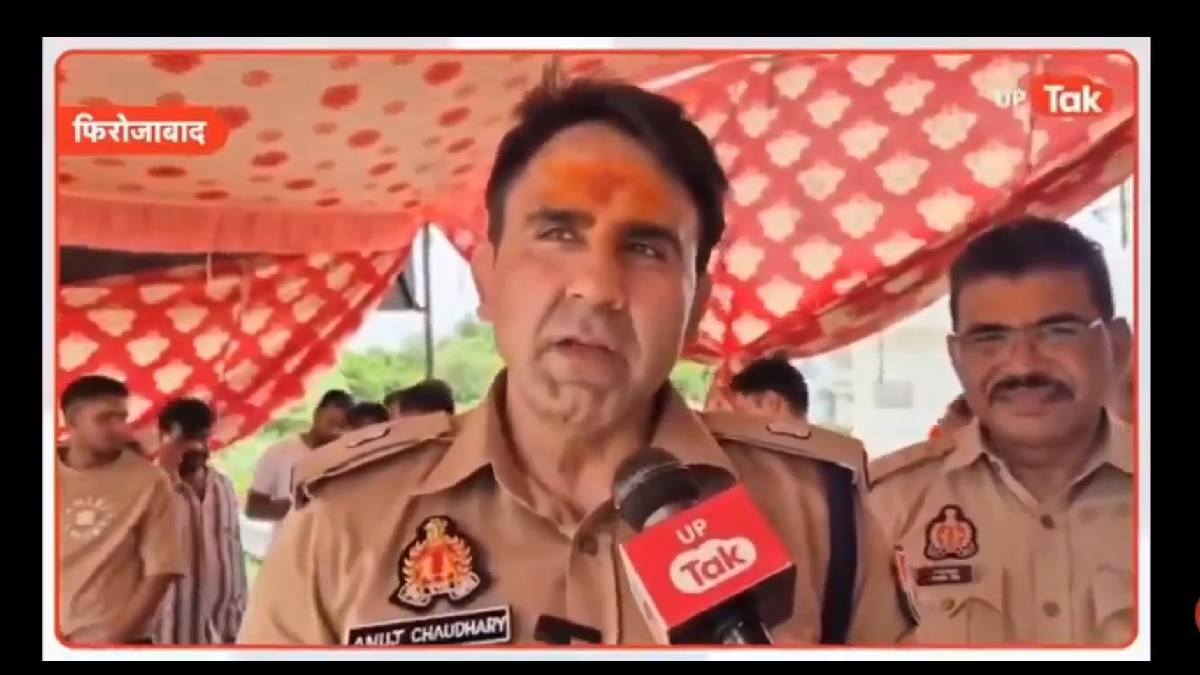
As for answering the criticism, police officer Anuj Chaudhary explained that Namaz and the Kanwar Yatra are fundamentally different in nature and are governed by different practical and administrative concerns.
🚨 REPORTER : Opposition leader says, "Namaz cannot be offered on the road, but people can walk on the road carrying a Kanwar." 😳
— News Algebra (@NewsAlgebraIND) August 7, 2026
⚡ ANUJ CHAUDHARY : "Namaz can be offered in mosques, Eidgahs, or at home, whereas the Kanwar Yatra is a religious pilgrimage that naturally takes… pic.twitter.com/nxg4jeoR6G
Chaudhary said: "Namaz can be offered in mosques, Eidgahs or at home, whereas the Kanwar Yatra is a religious pilgrimage that naturally takes place on public roads."
He explained that the Kanwar Yatra is a moving pilgrimage in which devotees travel, often over long distances, carrying holy water from sacred rivers to offer at Shiva temples. Because it is a procession of continuous movement, public roads are part of the event.
He added that Namaz is a prayer that can be performed at designated places of worship, such as mosques and Eidgahs, as well as at home. His comments were presented as an explanation of the difference in the operating distinction that authorities take into account in planning public events.
Chaudhary also stressed that the police do not favour one religion over another and that their primary duty is to ensure peace and public safety.
"The police’s duty is to ensure that events of all religions are conducted peacefully while maintaining law and order,” he said.
The remarks come amid years of debate in some states about the use of public spaces for religious gatherings and processions. Authorities are sometimes in difficult situations to balance the constitutional right to practice religion with the need to maintain traffic flow, public convenience and security.
Most large religious processions such as the Kanwar Yatra involve a lot of coordination between the district administration, police, transport authorities and local government. Traffic diversions, security arrangements and emergency medical services are usually planned in order to accommodate the movement of devotees and minimize disruption to the public.
Local administrations have, on various occasions, given guidelines about prayers in public places for traffic management, public order and the availability of places of worship.
The opposition leader’s comments have again brought the issue to the political forefront, and the question of how religious activity in public spaces should be regulated is one of many. The opposition says the government should apply rules equally, but different religious practices require different logistical arrangements.
But the debate is going on, and officials have maintained that decisions about public religious events are made based on law-and-order assessments, administrative requirements and existing legal guidelines, rather than religious preference.
The exchange has added to the national conversation about how religious events in public places are managed, with people divided between religious freedom, public convenience and administrative responsibility.