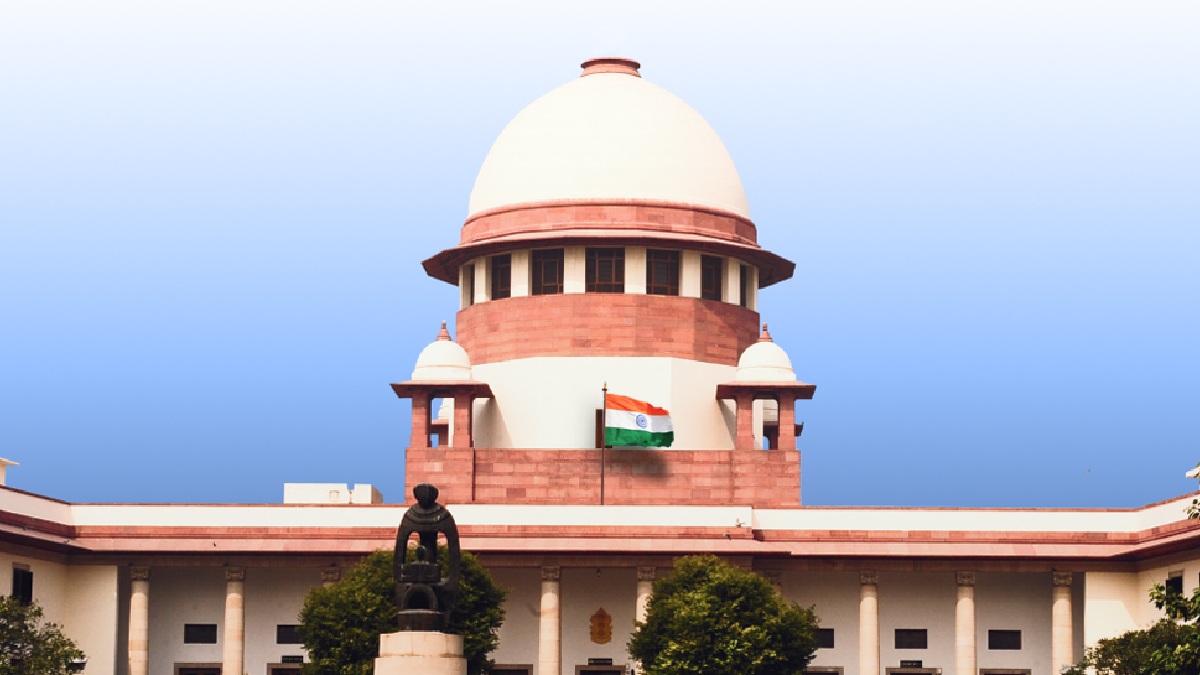
India’s anti-defection law has once more come under constitutional scrutiny after senior advocate and Rajya Sabha MP Kapil Sibal approached the Supreme Court to clarify the interpretation of a key provision that allows legislators to avoid disqualification in cases involving political mergers.
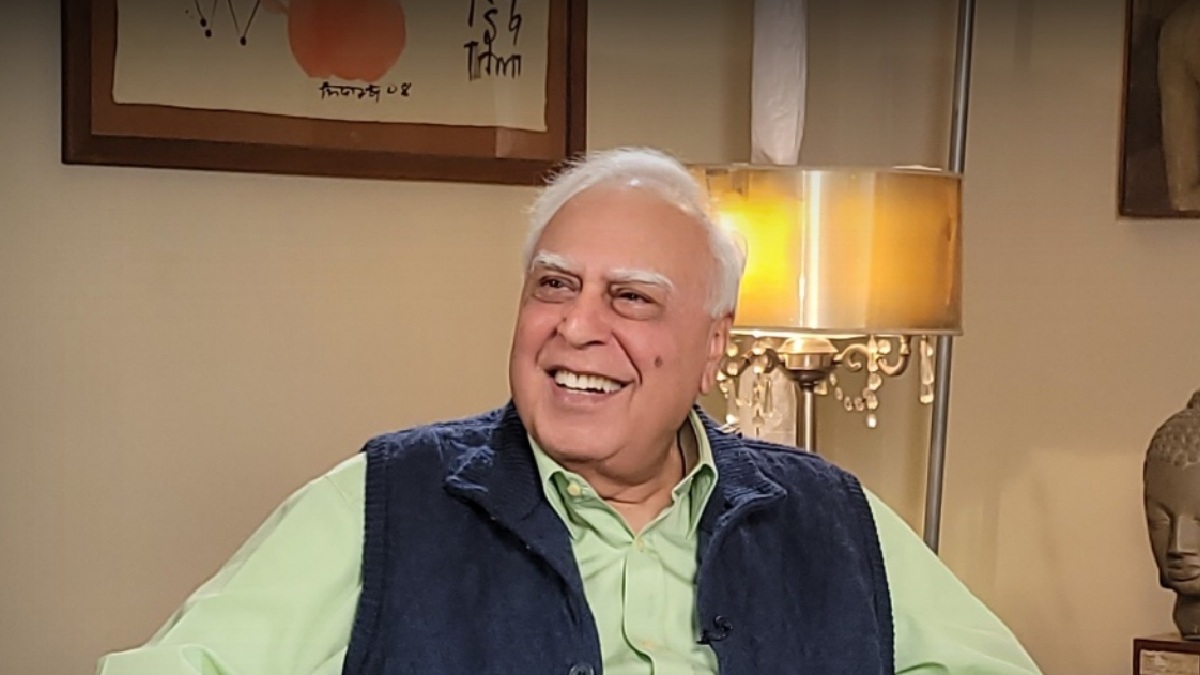
Sibal said this matter was before a Bench of Chief Justice Surya Kant and that the current interpretation of Paragraph 4 of the Tenth Schedule has weakened the core goal of the anti-defection law. The Supreme Court has agreed to list the matter for hearing.
At the heart of the petition is the question of whether the merger exception that is supposed to protect genuine political reorganisations has gradually become a way through which large numbers of legislators can change political alignments without being disqualified, nor have they been told to seek a fresh mandate from voters.
The anti-defection law was enacted by Rajiv Gandhi’s government in 1985 through the 52nd Constitutional Amendment. It was in response to the huge political defections that had become a defining feature of Indian politics in the 1960s and 1970s.
The law allows an MP or MLA to be disqualified if they voluntarily give up membership of the party on whose ticket they were elected and vote against the party whip without prior approval. Independent legislators who join a political party after they are elected can also be disqualified, nominated members are not allowed to join political parties after their election and members are not allowed to join political parties after being elected.
But Paragraph 4 of the Tenth Schedule leaves a narrow exception. Legislators are protected from disqualification if their original party merges with another party and at least two-thirds of the legislature party agrees to the merger.
The provision was supposed to assist in true political reorganisation. But some critics say that it has encouraged organised group defections that have allowed political factions to cross over while claiming constitutional protection.
Maharashtra has been the most involved in this recent debate. Most of the Shiv Sena MLAs of Uddhav Thackeray-led government in 2022 protested the government’s leadership and started a political and constitutional crisis. The fight was fought over disqualification, party control and recognition for the legitimate political faction.
Ajit Pawar led an enormous split in the Nationalist Congress Party the following year when many legislators joined the ruling alliance at the time. The party’s identity and control finally reached constitutional and electoral authorities.
In other states, similar developments have taken place. In 2022, eight of the 11 MLAs of Congress party in Goa joined the BJP, which is more than two-thirds of the protection under the merger provision.
The larger debate has also been fuelled by political realignments and group movements in other states like Arunachal Pradesh and Manipur. The anti-defection law is not working to tackle organised political shifts, even though it has made floor-crossing more difficult.
Sibal’s petition asks if the current interpretation of Paragraph 4 allows the composition of an elected House to be fundamentally altered without voters being given the opportunity to express their views through fresh elections.
The Supreme Court’s decision could then be a determining factor in future political changes. And so if the merger provision is interpreted more narrowly, large numbers of legislators might find it harder to switch political allegiances and risk being disqualified.
On the other hand, if the interpretation is maintained, then the two-thirds merger route is likely to be a fundamental mechanism for political restructuring in legislatures.
This case is happening at a time when coalition politics, factional splits and changing political alliances still shape governments all over India. So the Supreme Court’s interpretation of the anti-defection law could decide if the anti-defection law is still a constitutional safeguard or whether it needs to be updated with respect to its merger exception.