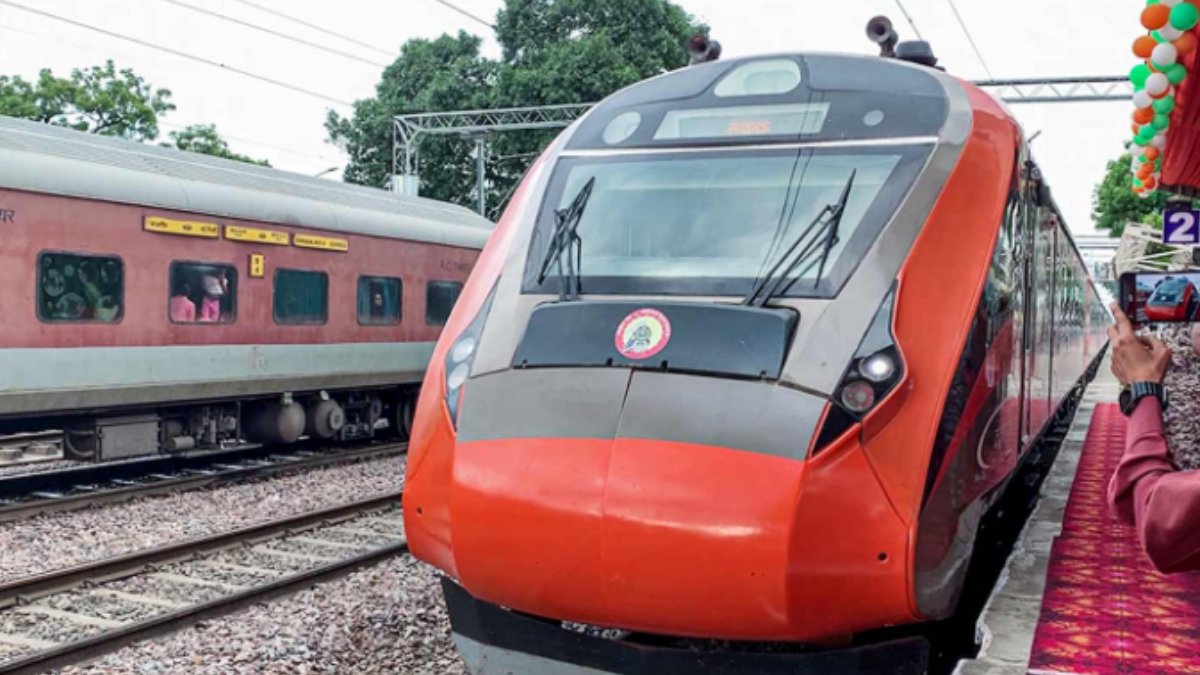
Bengaluru’s Namma Metro is now an important part of the city’s public transport network, with an average of 11 to 12 lakh passengers on the Green, Purple and Yellow lines every day. However, even with the high ridership, passenger traffic at some stations on the network is still very low.
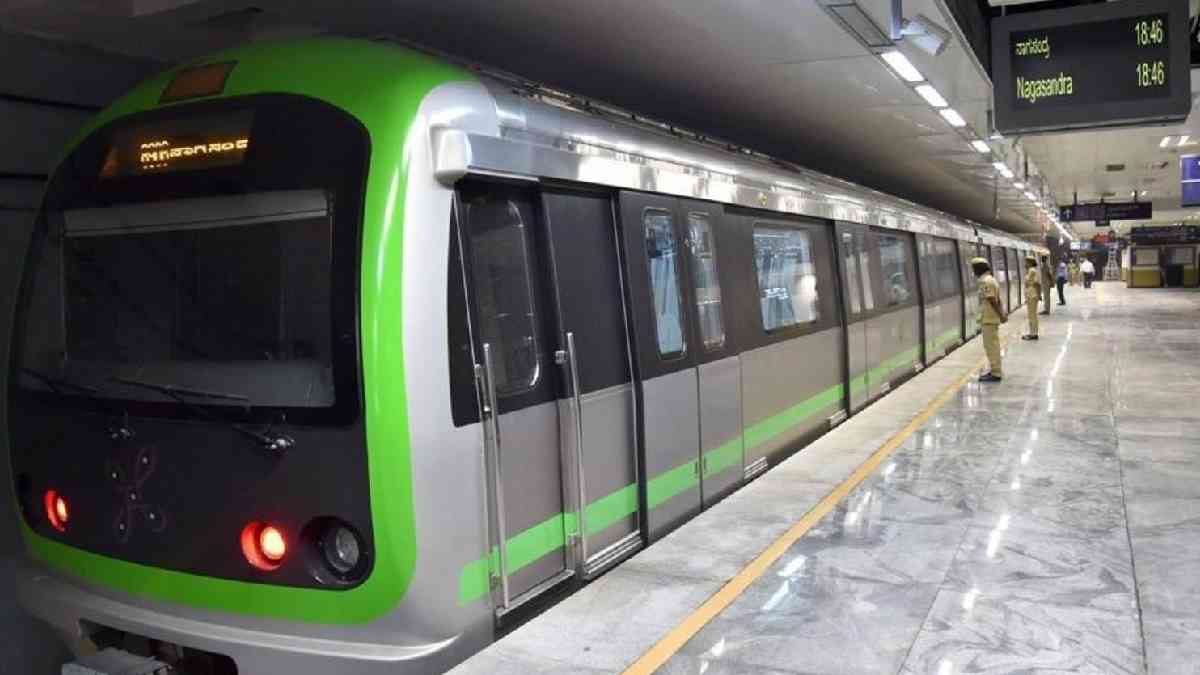
According to information available, as many as 20 Namma Metro stations over the three operational corridors have relatively low passenger numbers. The list comprises nine stations on the Yellow Line, seven on the Green Line and four on the Purple Line.
The figures highlight an interesting contrast in Bengaluru’s Metro network. Although major interchange and commercial-area stations see high passenger movement, there are also some stations away from the city’s busiest activity centres which still see relatively modest daily footfall.
Yellow Line has Nine Low-Footfall Stations
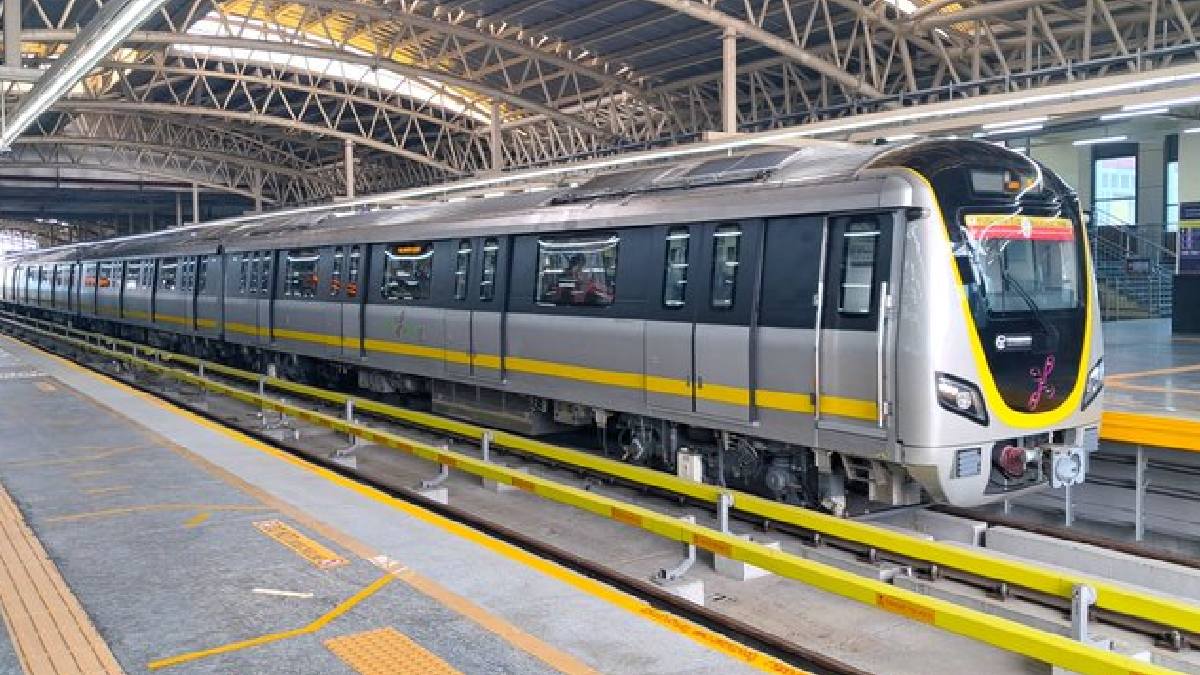
The Yellow Line, which has emerged as an important link between key parts of south Bengaluru and the Electronics City area, accounts for the largest number of stations in the low-ridership list.
Beratena Agrahara has the lowest passenger movement amongst the Yellow Line stations mentioned, with around 1,243 passengers passing through the station daily.
It is followed by:
- Singasandra – 2,539 passengers
- Hosa Road – 5,324 passengers.
- Hosur Road - 3,169 passengers.
- Hebbagodi - 2,739 passengers.
- Ragigudda - 4,652 passengers.
- Hongasandra - 5,378 passengers.
- Electronic City - 5,546 passengers.
- Kudlu Gate - 5,615 passengers
The numbers indicate a substantial difference in passenger demand for passengers for individual stations on the same corridor.
Seven Green Line stations see lower footfalls
The Green Line also has seven stations among those with relatively lower passenger movement.
Manjunath Nagar has the lowest reported daily ridership on this list, at approximately 1,411 passengers.
Other Green Line stations included are:
- Peenya Industry – 2,676 passengers.
- Talaghattapura – 3,349 passengers.
- Chikkabidarakallu – 4,519 passengers.
- Peenya – 4,956 passengers.
- Doddakallasandra – 5,827 passengers.
- Mahalakshmi/Kuvempu Road – 5,869 passengers
The relatively lower numbers at these stations could be due to population density, employment centres, last-mile connectivity and the fact that alternative transport options are available in their surrounding areas.
Four Purple Line Stations Also Feature
The Purple Line, one of Namma Metro’s busiest corridors, also has four stations that have relatively low passenger numbers.
Nayandahalli had around 2,645 passengers, while Hopefarm Channasandra had about 3,192 passengers.
The other stations on the list are:
- Deepanjali Nagar – 4,610 passengers
- Jnana Bharathi – 5,218 passengers
The Purple Line connects several major residential, commercial and employment hubs and many of its stations see much higher traffic. The low footfall at these four stations therefore stands out against the overall performance of the corridor.
Why does passenger footfall vary so much?
The differences in ridership between stations can be influenced by many factors. The population near a station, proximity to offices and educational institutions, residential density, road connection, feeder service availability, and road network could affect passenger numbers.
Stations near major interchanges or commercial hubs generally attract passengers from a much wider catchment area. Some stations serving smaller residential areas, on the other hand, are likely to be more dependent on neighbors in the vicinity.
Last-mile connectivity is another key factor. If commuters find it difficult to reach a Metro station from their homes or workplaces, they will still use buses, two-wheelers, cars, or other modes of transportation.
Namma Metro continues to be Bengaluru’s lifeline
Even with a very low footfall at these 20 stations, Namma Metro’s overall ridership is growing and has become more and more important in Bengaluru. With around 11 to 12 lakh daily passengers, the Metro is becoming a viable alternative to road-based transport in a city with traffic choke-ups.
As the network expands and connectivity improves, passenger numbers at some of these stations could increase. Better feeder services, better pedestrian access and commercial and residential areas around stations could also help increase ridership.
The latest figures provide a snapshot of Bengaluru’s changing mobility patterns. Some Namma Metro stations are now major passenger hubs; others need to see urban development and connectivity improvements in place to reach their full potential.