S.R. Govind has said that his organisation will not support the Karnataka bandh scheduled for August 13, distancing himself from the proposed statewide shutdown over the Cauvery water dispute and other water-related issues.
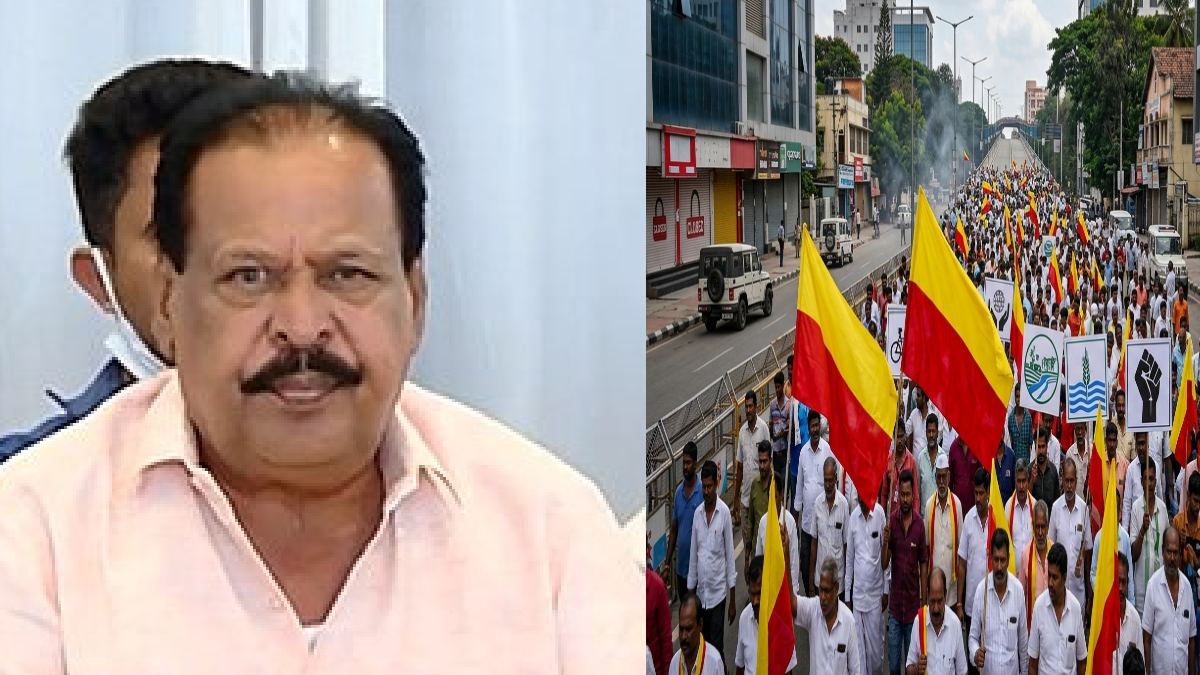
Govind said those who wish to participate in the bandh are free to do so but he said his group will not participate in the planned protest. He also made it clear that his opposition to the current bandh should not be seen as a withdrawal from the larger Cauvery movement which he said will continue.
Govind recalled that his group had already called for a bandh over the Cauvery issue. Things then changed after the state had good rains and water levels in reservoirs were raised, he said.
The improvement in inflows helped ease immediate water-related concerns and hence his group did not feel the need to be part of the upcoming shutdown. His comments have fed into the debate about the August 13 bandh, which has been supported by a variety of pro-Kannada organisations and also faces opposition and calls for restraint.
Cauvery is still one of the most sensitive water disputes between Karnataka and Tamil Nadu. At times of poor rainfall, Karnataka and Tamil Nadu have had issues on sharing and releasing Cauvery water. Farmers and political groups in both states have closely watched the levels of reservoirs and rainfall and authorities who are responsible for water sharing over the river. Any direction on water releases can quickly become a major political and public issue, especially in the areas dependent on the Cauvery for agriculture and drinking water.
Govind said his organisation is not going to support the proposed bandh but will continue to campaign for Karnataka’s water interests. The Mahadayi and Mekedatu projects he specified as the ones that we will see in the future. In Karnataka, the Mekedatu project has been a longstanding demand, and the proponents point out that the proposed reservoir project would help to solve drinking water and water management problems in Bengaluru and surrounding areas, and the project has also been opposed by Tamil Nadu which has said it may adversely affect the Cauvery basin.
Another major water issue is the Mahadayi issue which is currently being fought between Karnataka, Goa and Maharashtra. Karnataka has been seeking projects on the Mahadayi river like the Kalasa-Banduri project to solve a poor water supply in northern Karnataka and it is a long-time political issue for the governments and public protest.
Govind also urged Kannada film actors and actresses to take part in the movement for Karnataka’s water interests. He referred to great actors such as Dr. Rajkumar and Ambareesh and said when big public issues of Karnataka were in the spotlight the film industry was more united. He lamented that so much of that collective activity was not visible today.
His comments about the film industry have attracted attention because Kannada cinema has historically played a prominent role in public movements related to language, regional identity and water disputes. Often actors were also heard of at rallies, in public meetings and through awareness campaigns since issues were seen to have a direct bearing on Karnataka’s interests.
Govind went even further, and suggested that films that show actors who do not participate in such movements would be subject to calls for a boycott. Of course, such a proposal would be a political statement and would require a public and industry conversation. Each protest is ultimately a personal or organisational decision and protests against films or artists can have far-reaching effects on the entertainment industry, audiences and workers involved in film production.
The disagreements over the August 13 bandh show that different groups have different approaches to the Cauvery issue. Some groups believe a statewide shutdown is a great way to demonstrate opposition to the project; others, however, want targeted protests, legal action, talks or campaigns focused on specific water projects.
There are also practical consequences for businesses, commuters and residents of a bandh if participation is high. If the shutdown is approved by people, transport services, shops, hotels and other commercial centres will be disrupted. However, essential services will be maintained, although the situation in the city may be different.
Govind’s decision not to support the bandh is therefore an important indication that there is not complete agreement between all groups involved in Karnataka’s water-related movements. His comments indicate that he is not planning to participate in the August 13 shutdown, but is committed to the larger Cauvery issue and is going to concentrate on Mahadayi and Mekedatu in the future.
The Mandya comments will keep the debate on the proposed bandh going as Karnataka is still debating how best to protect its water interests. The Cauvery dispute, Mekedatu project and Mahadayi issue have strong political and agricultural significance and water-related protests should remain a big part of Karnataka’s public discourse.