Karnataka BJP has asked Chief Minister D.K. Shivakumar to go to areas affected by drought and to see the farmers and rural people in the state and explain what they are going through.
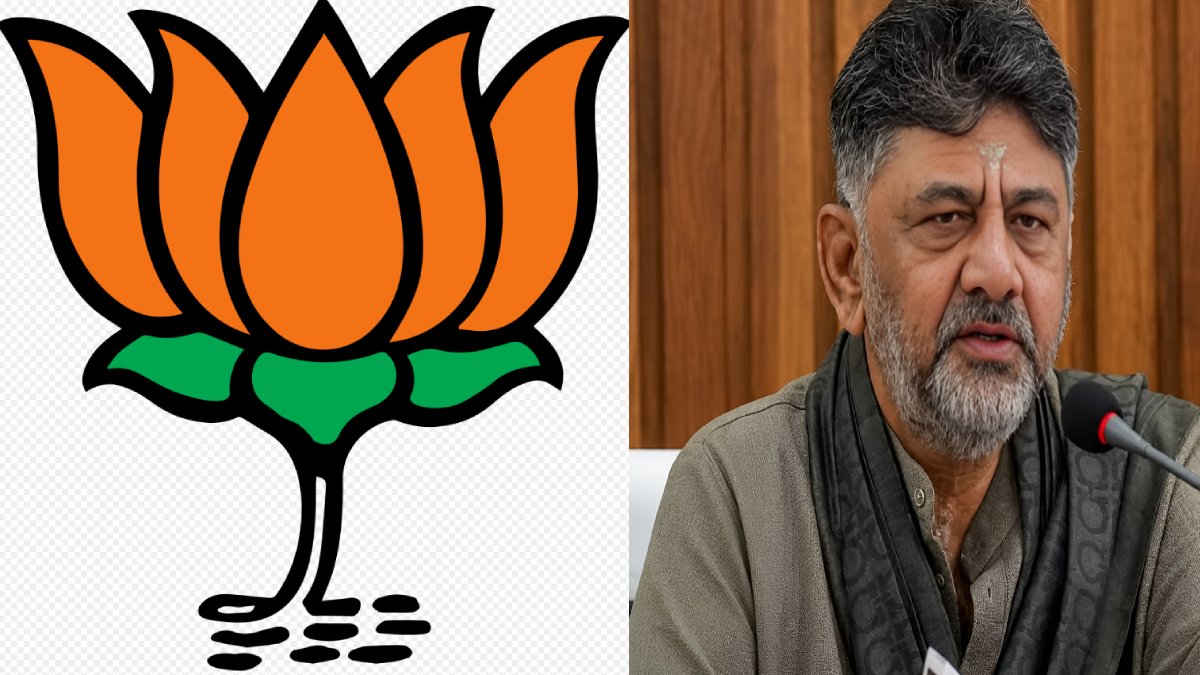
The opposition party argued that a close-up assessment of the situation in the field would make the government more likely to understand the magnitude of the crisis and speed up relief for those affected by deficient rainfall, diminishing water resources, and crop damage.
The BJP leaders spoke to the media in a speech to journalists in view of some districts which have been facing particularly severe dry weather, which they said have suffered from long-term dry spells, adversely affecting agriculture, drinking water supply, and livestock. Poor crop yields, declining groundwater levels, and uncertainty over the coming agricultural season are affecting farmers in many areas.
The state government should respond quickly and strongly by visiting the field to investigate and assess the damage and develop a proper response as well as release effective relief packages.
The BJP said that direct contact with affected residents would help the Chief Minister to understand more about the issues facing rural communities. Party leaders also said such visits would help the administration to pinpoint priorities in terms of drinking water availability, irrigation assistance, fodder for livestock, and financial support for farmers who have suffered crop losses.
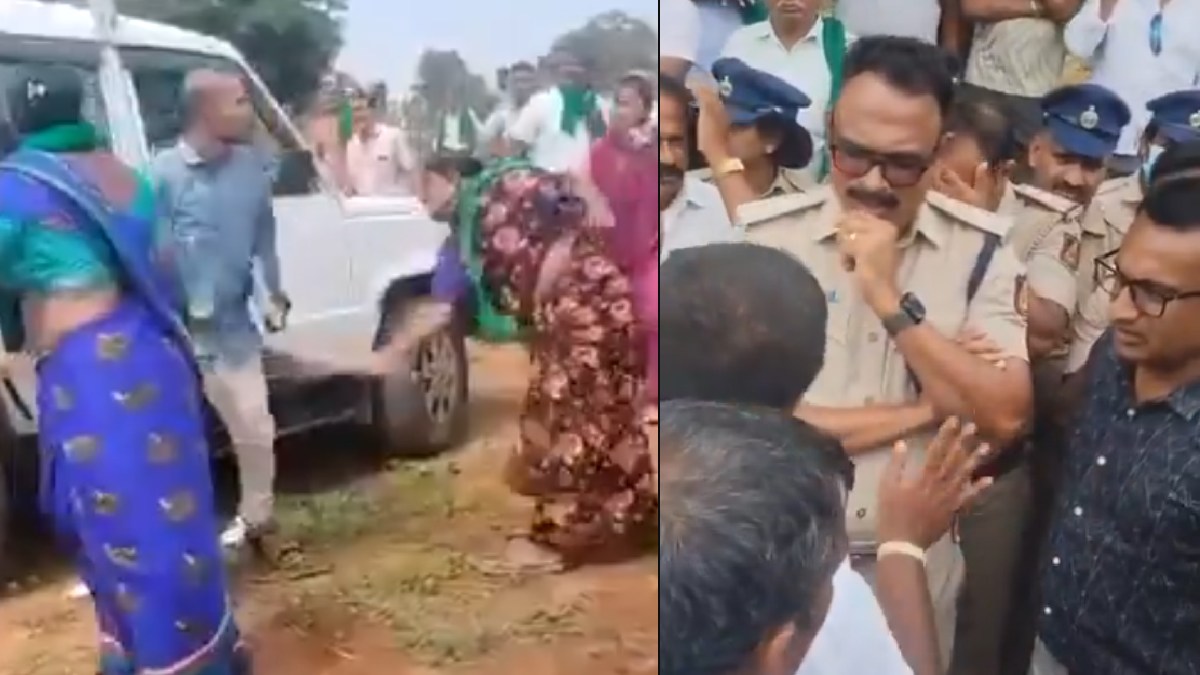
The demand comes just as water availability is becoming an issue in parts of Karnataka, where scattered rainfall patterns have put pressure on reservoirs, tanks, and groundwater resources. Agricultural experts say drought conditions can affect crop production, household incomes, and rural employment, particularly in areas of Karnataka that are heavily dependent on rain-fed farming. Some crops are especially vulnerable if rainfall is below normal for long periods, and millets, pulses, oilseeds, and other seasonal crops are especially susceptible when rainfall is not normal.
The BJP also wants to fast-track drought-relief measures, compensation for crop damage, irrigation facilities, drinking water supply through tankers, and more support under existing welfare programs. Timely intervention will give farmers a better chance to cope and reduce the financial burden in the drought-affected villages, said party leaders.
State authorities have said in the past that they are monitoring rainfall, reservoir storage, and drinking water supplies while working with district administration to keep up to date with water availability. Government officials have said that contingency plans are in place to alleviate shortages and local administration is ready to respond if conditions worsen. Water conservation, efficient resource management, and coordinated planning should also be taken into account to solve seasonal problems.
It has brought agriculture and rural development back into Karnataka's political discourse again. Drought and water management have long been significant public policy issues for the state, where weather conditions can be a major political issue affecting people's livelihoods, agriculture, food production, and the rural economy in general. Political parties differ on how quickly and to what extent relief efforts will be done, especially in years with low rainfall, and the subject has been a key matter of debate.
Agricultural economists say that long-term solutions also include investment in irrigation infrastructure, watershed development, rainwater harvesting, groundwater recharge, and climate-resilient farming practices. Experts also said drought-resistant crop varieties should be encouraged, micro-irrigation systems should be expanded, and weather forecasting services should be improved to help farmers make informed decisions in uncertain climatic scenarios.
Farmer organizations have also urged all political parties to focus on practical solutions rather than political arguments. They urged swift implementation of assistance programs, timely crop-loss assessments, and sufficient compensation to help affected families get relief without unnecessary delays. Representatives of farming communities have also emphasized the importance of ensuring uninterrupted drinking water supplies and fodder availability for livestock in severely affected regions.
As the debate continues, the state government will remain at the center of the discussion about what efforts will be taken to alleviate drought and how to do it. As to whether Chief Minister D.K. Shivakumar will visit the affected areas in response to the BJP’s demand, we don’t know. But the issue has exposed the broader challenge of managing climate-related risks while safeguarding the livelihoods of farmers and ensuring water security for communities across Karnataka.
With rainfall patterns becoming increasingly unpredictable, policymakers, experts, and local administrations are expected to continue working on both immediate relief initiatives and long-term strategies aimed at improving resilience against future droughts. The coming weeks will be crucial in determining how effectively relief measures are implemented and how the state addresses the concerns of those affected by the ongoing dry conditions.