Karnataka Chief Minister D K Shivakumar has made a new pitch for the Mekedatu project, saying the proposed balancing reservoir will benefit not only farmers in Karnataka and Tamil Nadu but also farmers in Puducherry. Speaking at the 31st Southern Zonal Council meeting in Mahabalipuram, Shivakumar has pushed for cooperation between Karnataka and Tamil Nadu to solve the long-standing Cauvery water issue and that it can be resolved.
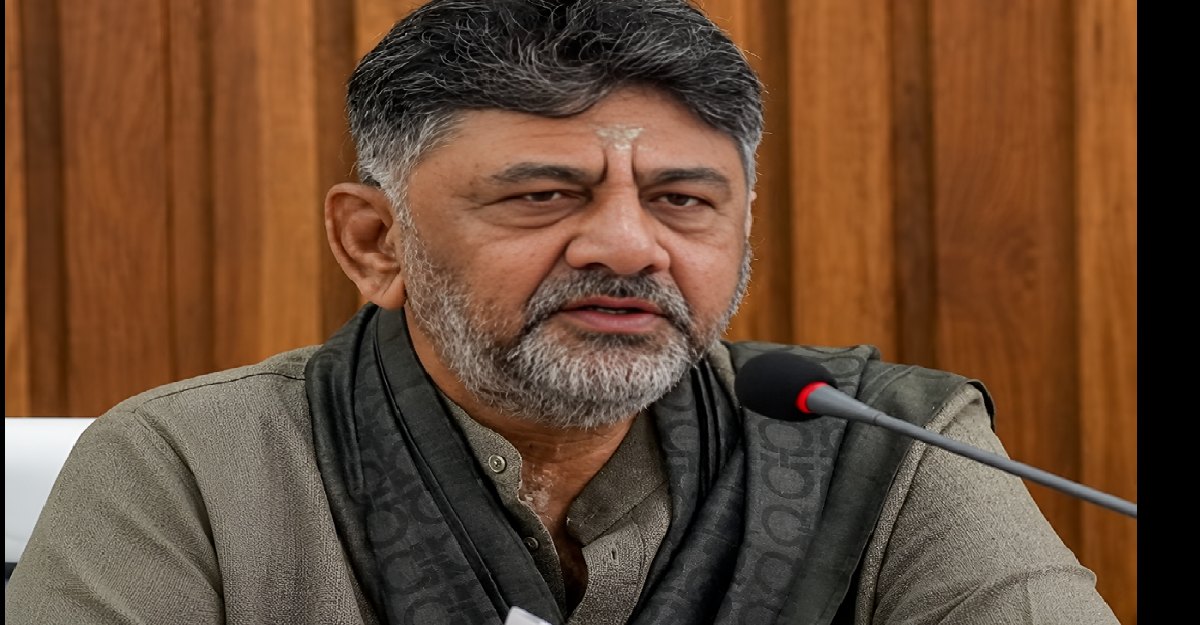
The intervention is significant because Tamil Nadu has repeatedly opposed the Mekedatu project, and says it would affect the flow of Cauvery water in the state. But Karnataka has argued the project is needed to meet its drinking water requirements and manage water resources better.
As his speech was made in front of Tamil Nadu Chief Minister M K Stalin and other political leaders from South India, Shivakumar was determined to present Mekedatu as a project with benefits in the form of benefits in other states apart from Karnataka.
“The Mekedatu project is an important project not only for Karnataka but also for Tamil Nadu,” Shivakumar said.
Referring to a conversation with Andhra Pradesh Chief Minister N Chandrababu Naidu prior to the meeting, Shivakumar said the Cauvery dispute should be resolved through cooperation instead of confrontation. Water released through the Mekedatu project could eventually benefit farmers downstream, he said.
“Every drop of water from the Mekedatu project will help farmers in Tamil Nadu and Puducherry. Help us help you,” Shivakumar said in his appeal.
Why Mekedatu Remains Contentious
The Mekedatu project has remained one of the most politically sensitive issues between Karnataka and Tamil Nadu. Karnataka has proposed construction of a balancing reservoir across the Cauvery near Mekedatu near its border with Tamil Nadu to help in meeting Bengaluru’s drinking water needs and control water releases.
But Tamil Nadu has vehemently opposed the proposal. The state has been concerned that the reservoir will affect the amount and timing of Cauvery water coming to Tamil Nadu, especially during periods of water stress.
The dispute has continued despite many talks and legal proceedings around the sharing of Cauvery waters. Shivakumar’s latest appeal is therefore an attempt to portray Mekedatu as part of a cooperative solution and not just a Karnataka infrastructure project.
Shivakumar raises Southern States’ concerns
Mekedatu was only one part of Shivakumar’s wider intervention at the Southern Zonal Council meeting. The Karnataka Chief Minister also raised issues of fiscal devolution, political representation and the development of southern states.
He said the five southern states contribute almost 33% of India’s GDP and about 20% of the country’s population. Shivakumar said the region’s economic contribution needs to be taken into account more clearly in the distribution of financial resources and political representation.
He also highlighted Karnataka’s economic contribution, pointing to the state’s role in India’s software exports, its large number of Global Capability Centres and its share of foreign direct investment inflows.
Shivakumar says that Karnataka’s share in the divisible tax pool declined from 4.7% under the 14th Finance Commission to 3.6% under the 15th Finance Commission. He estimates the change to cost about Rs 65,000 crore to the state over six years.
The Karnataka government also sought several major infrastructure and development projects, including the Bengaluru-Mumbai high-speed rail project, STRR South, AIIMS in Raichur and a special package for Kalyana Karnataka.
Delimitation and Women’s Reservation
Shivakumar also called for southern states to take a common position on delimitation. States that have successfully managed population growth should not be penalised by reducing their political representation, he said.
He suggested keeping the existing 543 Lok Sabha seats for the next 25 years and urged southern states to take a common stand on the issue.
The Karnataka Chief Minister also advocated that women's reservation be implemented in the present strength of Lok Sabha and not in the future delimitation exercise.
“Women have waited long enough for their rightful representation. Their reservation should not have to wait for a population count,” he said.
Mekedatu at the Centre of a Larger Southern Debate
Shivakumar’s intervention brought together several issues that have increasingly shaped political discussions in southern India: water sharing, fiscal federalism, political representation and regional development.
His Mekedatu appeal was particularly significant as it was made on Tamil Nadu soil at a forum involving leaders from southern states. Although Tamil Nadu’s opposition to the project is firm, Karnataka continues to argue that the reservoir can serve broader regional interests.
For Shivakumar, the project is not just about Karnataka’s water needs. By telling Tamil Nadu to “help us help you”, he hoped to recast Mekedatu as an opportunity to engage in cooperation over the Cauvery and not just as a flashpoint between the two states.
If that argument can bridge the longstanding differences between Karnataka and Tamil Nadu is uncertain. But the latest pitch ensures that Mekedatu will continue to be at the centre of the debate over water sharing and Centre-state relations in southern India at large.