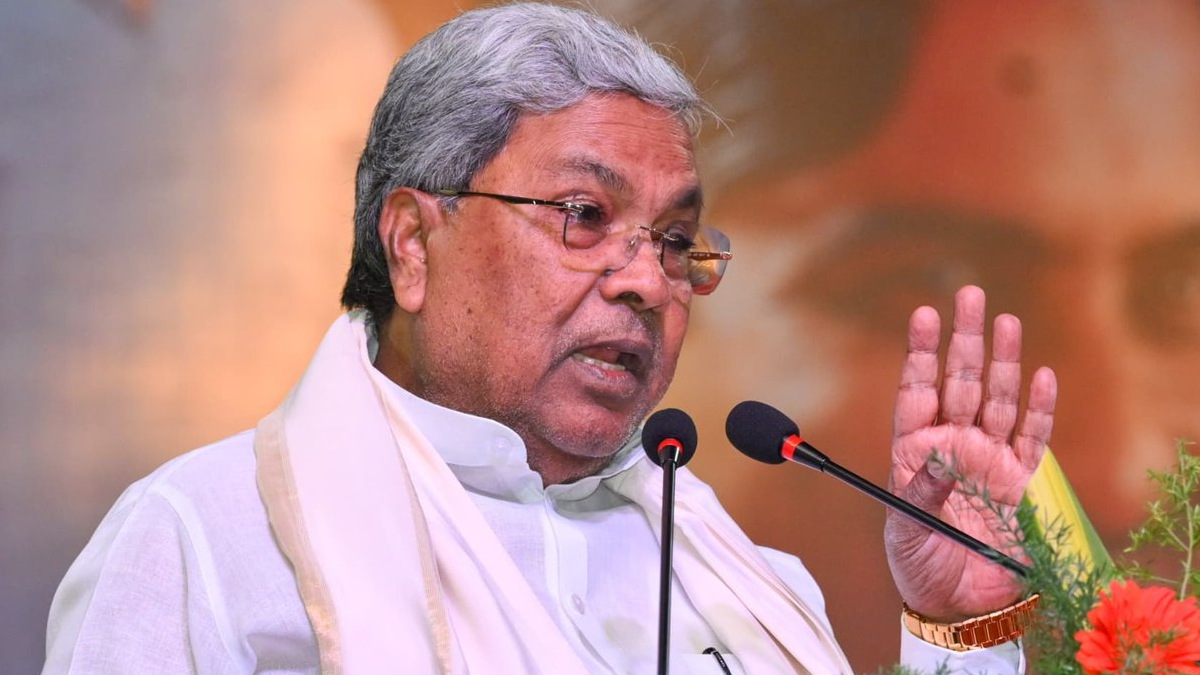
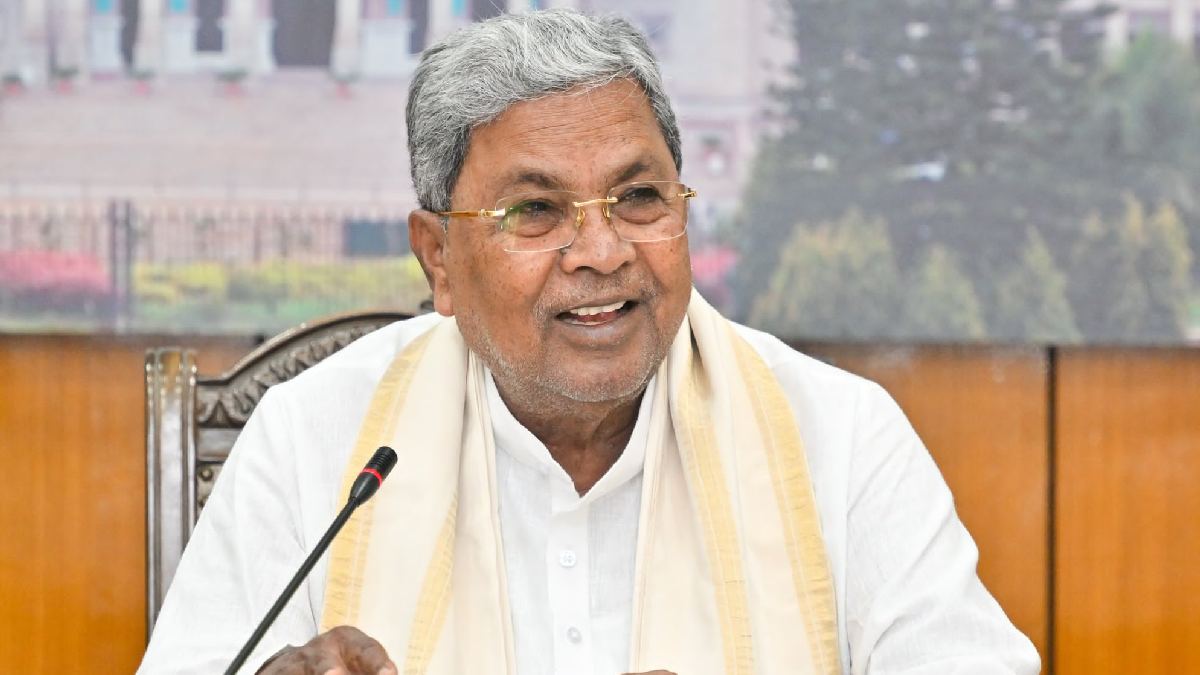
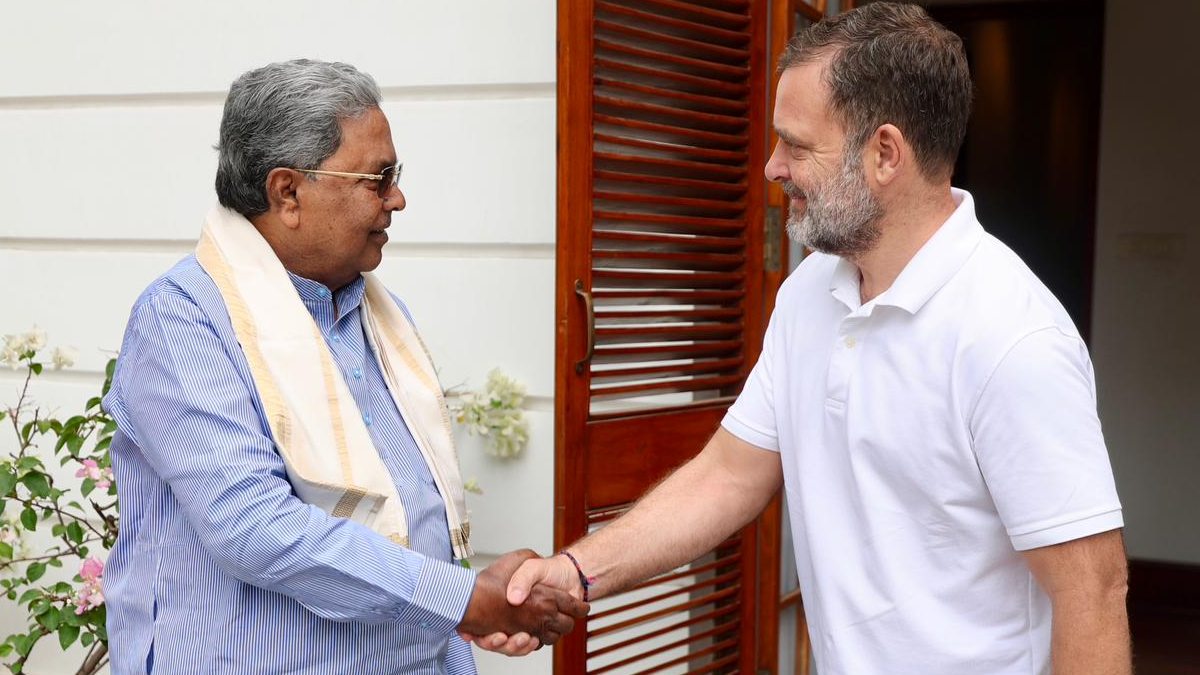
In a major policy announcement aimed at protecting children from the harmful effects of excessive digital exposure, Karnataka Chief Minister Siddaramaiah has proposed a strict ban on social media usage for children under the age of 16. The measure was unveiled during the presentation of the Karnataka State Budget, marking what officials describe as one of the most significant digital safety initiatives in India.
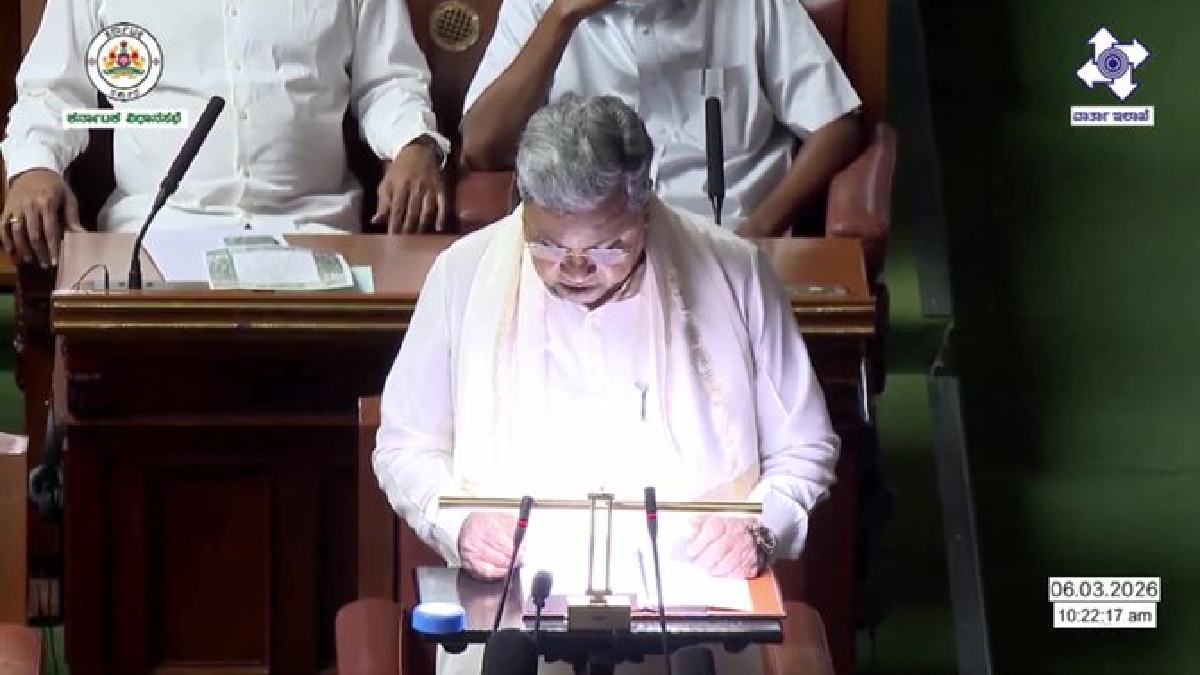
The proposed policy seeks to restrict access to popular social media platforms for minors under 16 in order to address growing concerns over online addiction, cyberbullying, mental health issues, and exposure to harmful content.
Focus on Child Safety in the Digital Age
Announcing the measure in the state assembly, Siddaramaiah emphasized the need to safeguard young minds from the negative impact of unregulated internet use.
According to the Chief Minister, children are increasingly spending long hours on social media platforms, which experts say can affect their mental health, sleep patterns, and academic performance.
The proposed ban aims to encourage healthier habits among students and reduce dependency on digital platforms during their formative years.

Key Highlights of the Proposal
Under the proposed policy, children below the age of 16 would be prohibited from creating or operating accounts on social media platforms within the state.
Some of the key features being considered include:
- Mandatory age verification for social media users
- Stronger parental consent mechanisms
- Collaboration with technology companies to enforce restrictions
- Awareness programs in schools about responsible digital usage
Officials say the government will work with technology platforms and regulatory authorities to develop mechanisms that ensure compliance with the new rules.
Rising Concerns Over Social Media Impact
The move comes amid increasing global concern over the psychological impact of social media on teenagers and young children.
Several studies have linked excessive social media usage among minors to anxiety, depression, and reduced attention spans. Cyberbullying, online harassment, and exposure to inappropriate content have also become serious concerns for parents and educators.
By introducing this policy, the Karnataka government aims to position itself as a leader in child digital protection in India.
Challenges in Implementation
While the proposal has been welcomed by some parents and child rights advocates, experts say implementing such a ban may be challenging.
Social media platforms often rely on self-declared age verification, making it difficult to fully prevent underage users from creating accounts. Ensuring compliance across thousands of digital services may also require cooperation from central government authorities and international tech companies.
However, officials say the government is exploring technological and legal solutions to ensure effective enforcement.
Part of Broader Education and Youth Reforms
The social media restriction is part of a broader set of youth-focused initiatives announced in the state budget. These include increased investments in education, digital literacy programs, and mental health awareness campaigns for students.
The government also plans to introduce counseling services in schools to help students manage digital habits and online stress.
A First-of-Its-Kind Policy in India
If implemented successfully, the proposed ban could become one of the first large-scale regulatory measures targeting social media access for minors in India. The initiative is expected to spark nationwide debate on the balance between digital freedom and child safety.
As discussions continue, policymakers, parents, and technology companies will play a crucial role in shaping how the proposed regulation is implemented in the coming months.