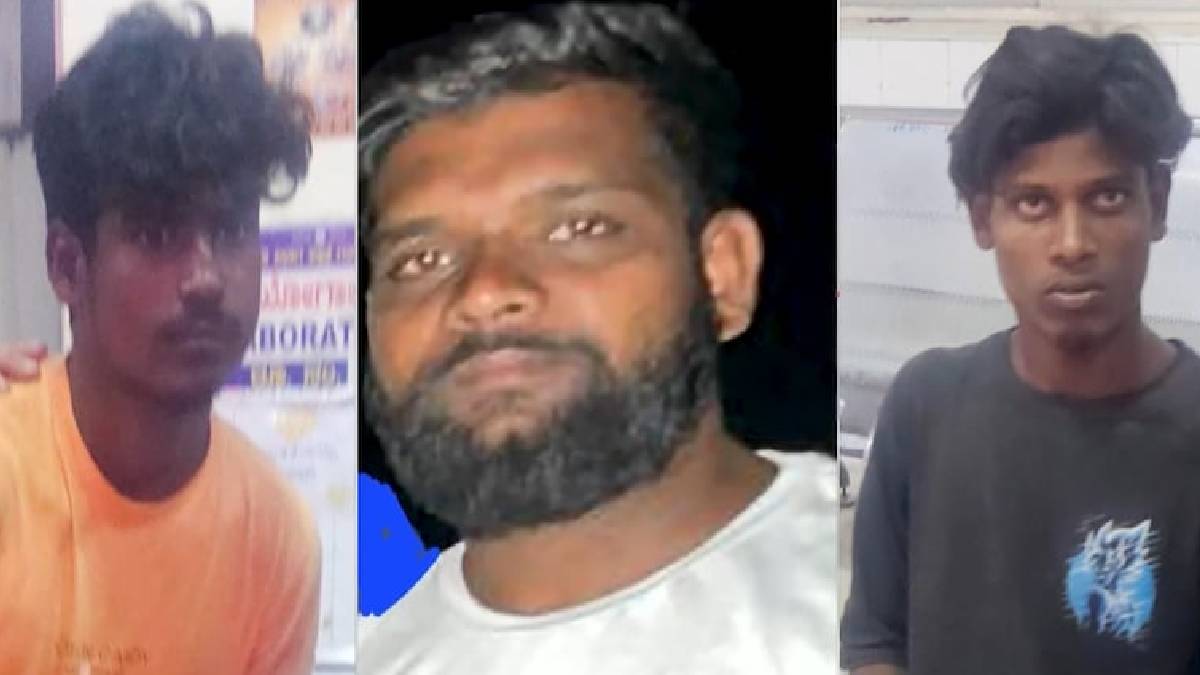
Three men, sentenced to death by a sessions court in Gangavathi, Karnataka, were sentenced to death for a shocking crime near Hampi in March 2025. The convicts – Mallesh (22), Sai (21) and Sharanappa (27) – were convicted of gang‑raping two women, an Israeli tourist and a local homestay owner; and the killing of a male tourist from Odisha. The judgment, handed down by Judge Sadananda Nagappa Nayak, is in the “rarest of rare” category because of the barbaric nature and effect on a well‑loved tourist destination.
The men attacked a group around the Tungabhadra canal near Hampi on 6 March 2025. They plunged three of them into the water, leading to the drowning of Bibhas Kumar Nayak, a 29‑year‑old holidaymaker from Odisha and son of a church bishop. Nayak reportedly urged his friends to protect the women before his death, and he was a heroic figure in the tragedy.
The attackers then gang‑raped an Israeli tourist and a homestay owner in the area. An American tourist is also described as assaulted and robbed in the same incident.
Facts of the case moved quickly through courts and the three men were convicted on February 6, 2026. Less than a year after the killing, Nayak pronounced the sentence on February 16, 2026. In its resolution, the court also stated that crimes of this kind at UNESCO World Heritage Sites such as Hampi not only destroy victims and their families, it also tarnishes India’s credentials as an attractive place where tourists can relax.
The judgment now awaits confirmation by Karnataka High Court, as per a necessary process for all death penalty cases.

The judgement has been received with relief and accolades from the families and population of the victims. Among those praised for the swiftness of the trial, which ended in just 11 months, are the words of justice coming quickly. On social media, people express their sorrow for the tragedy while also endorsing the harsh punishment the trial handed down.
Mallesh, Sai and Sharanappa have all been sentenced to death for the rape and murder of the Hampi gang, a decisive moment for India in the struggle against extreme crime. The High Court is now required to make a ruling here too, but both the speedy trial and the clear decision have brought some closure to grieving families and created clarity that there is accountability. It serves as a cautionary tale that vigilance, justice and safety are equally important in India’s tourist capitals.