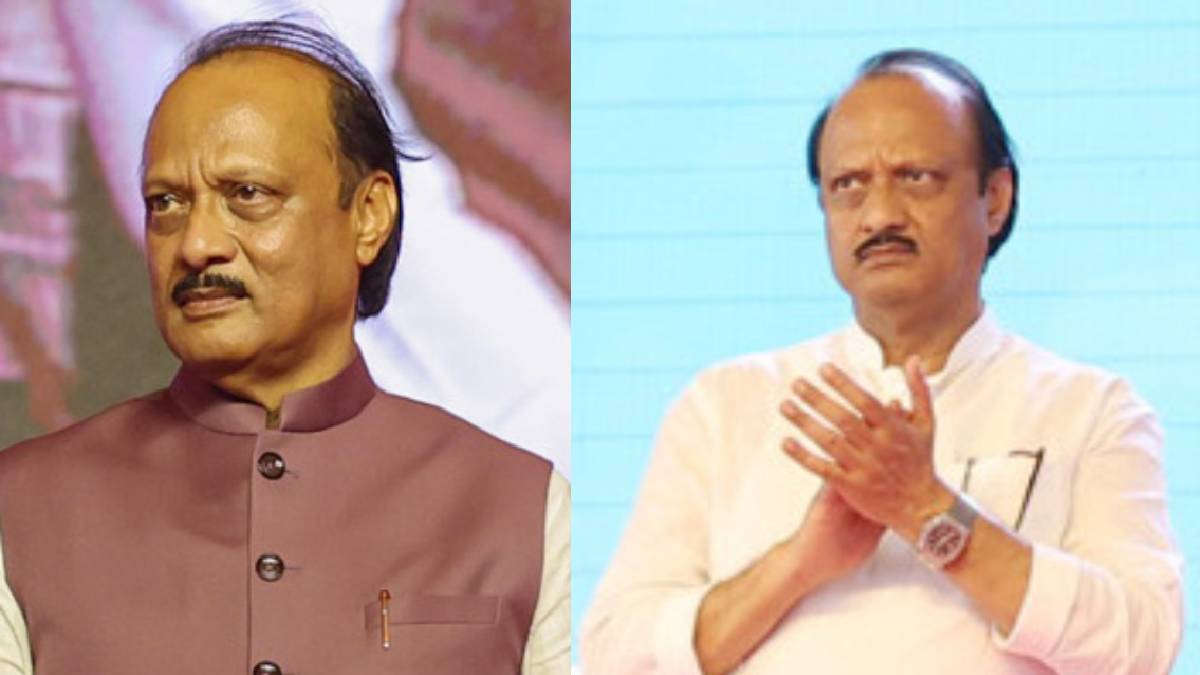
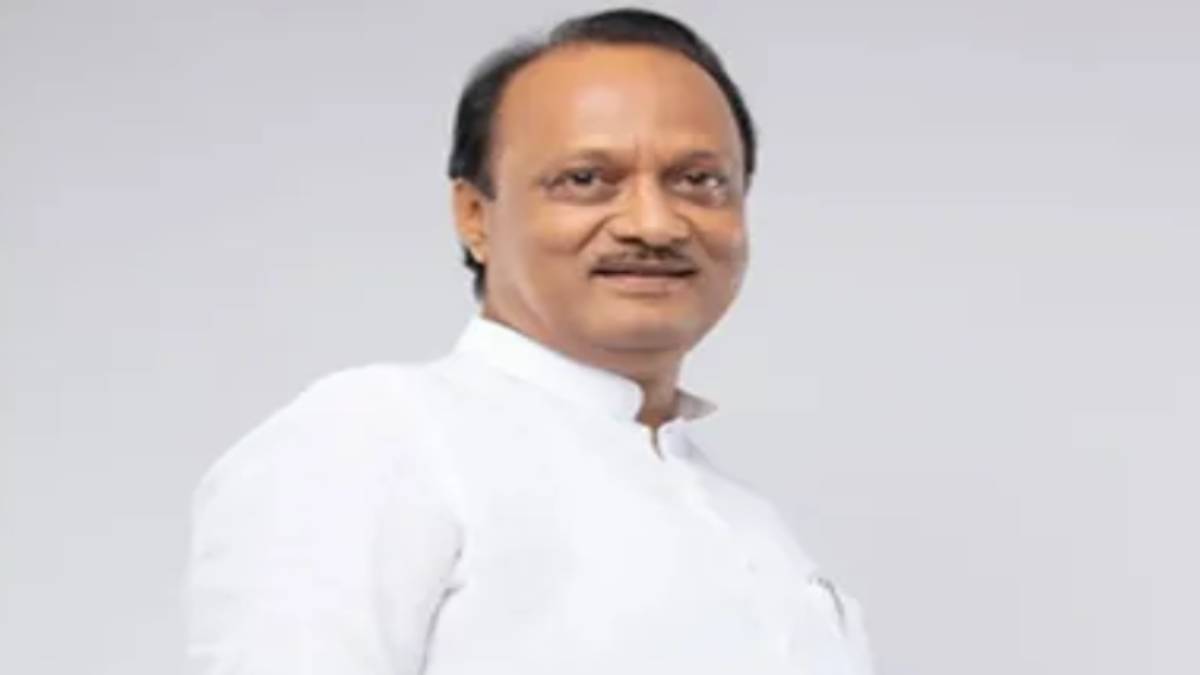
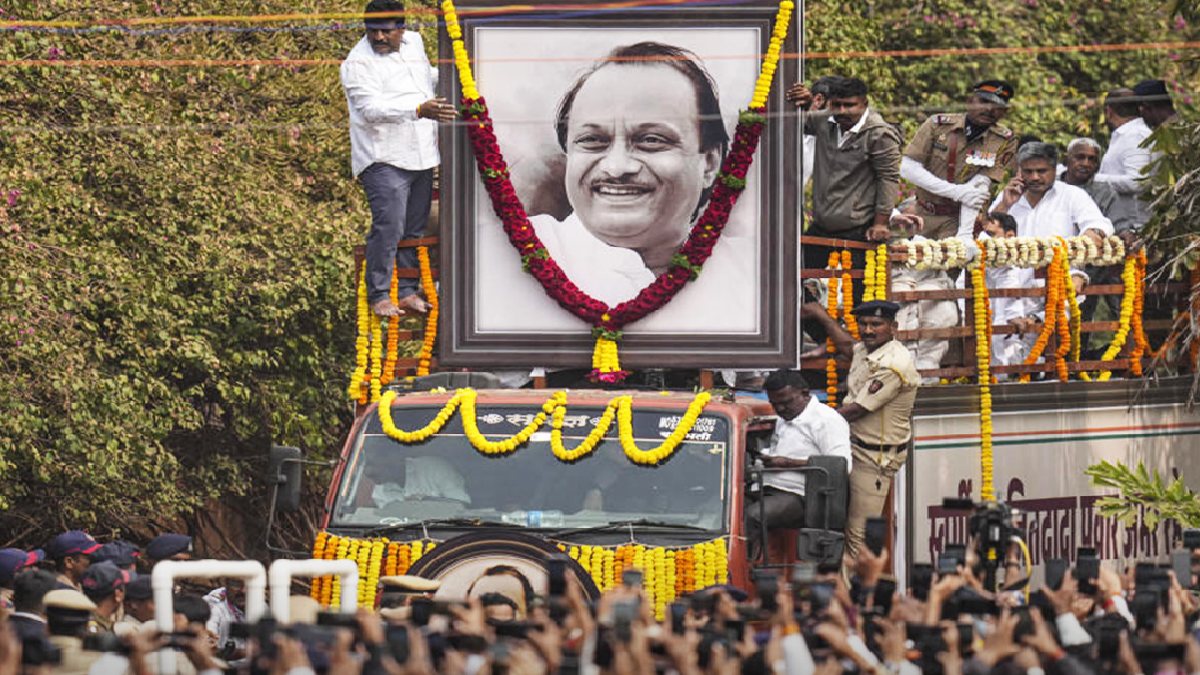
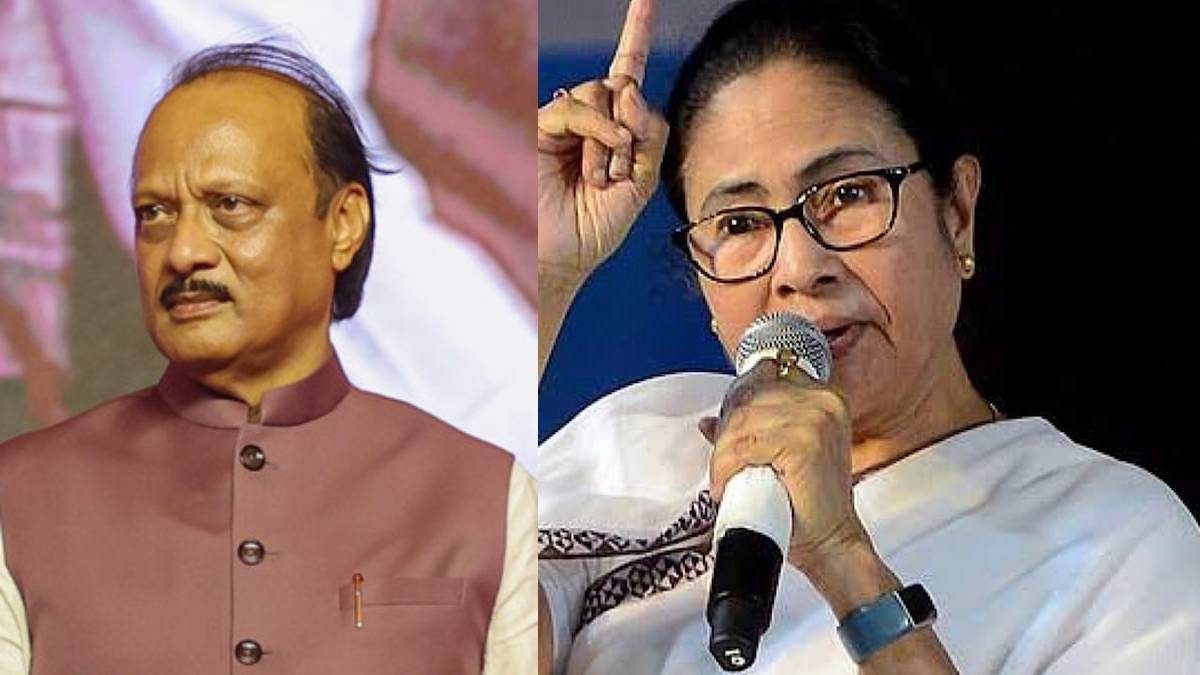
The sudden death of Deputy Chief Minister of Maharashtra Ajit Pawar has left a gaping hole in the politics of the state. For decades, Pawar was not only a senior leader of the NCP but also a strategic decision-maker, a key player who organized alliances and balanced power among coalition partners. His absence now has prompted grave questions about the future of the NCP and the stability of the ruling coalition.
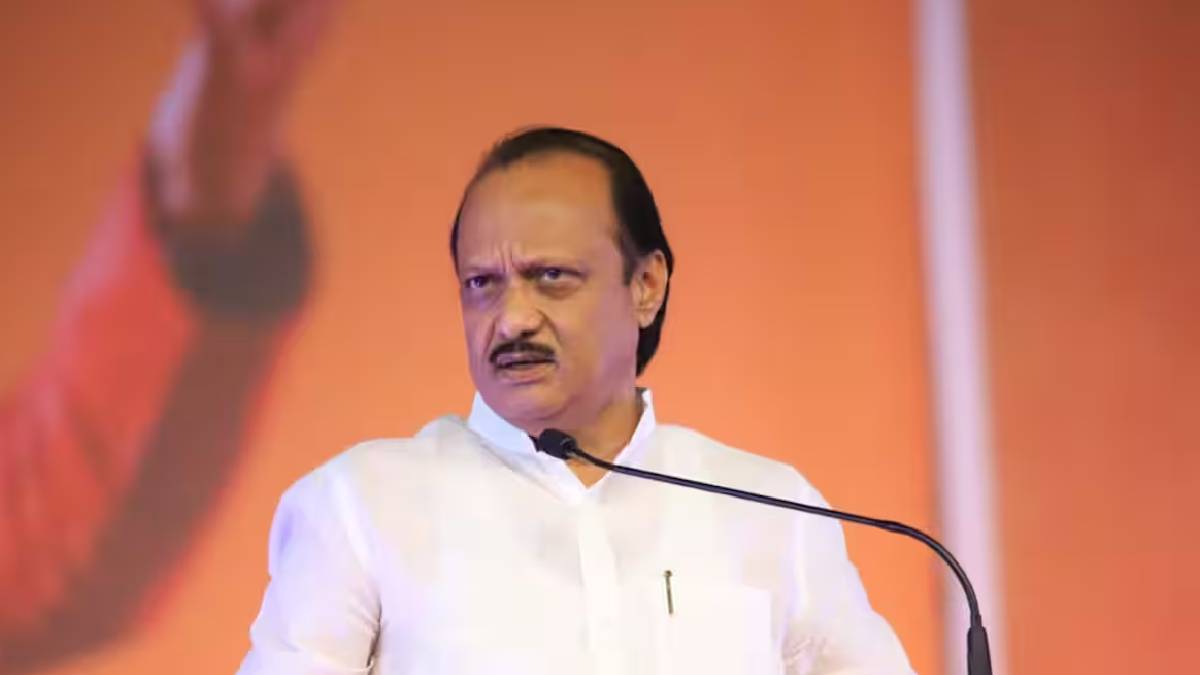
Ajit Pawar was far more than a Deputy Chief Minister. He was the very backbone of the NCP’s approach and a key part of coalition politics. He was essential, with his negotiating ability to manage the relationship between parties and maintain stability, making him indispensable. With his death, Maharashtra lost a leader who understood both governance and political balance.
The NCP now faces the challenge of finding the next leader who can carry on Pawar’s legacy. His leadership style struck a balance between resolute and accessible, and the trust of party delegates and coalition allies was both strong and assured. Without him, the party risks losing influence in the state assembly. The incoming leader has to show competence at dealing with alliances and keeping the party relevant in Maharashtra’s rapidly evolving political scene.
Ajit Pawar’s absence could shift the balance of power to the BJP and Shiv Sena. Since Pawar is no longer in the role of mediator and stabilizer, both parties may obtain more say in the coalition. This might mean new political equations and governance shifts to come. The coalition must redefine how it will structure itself to ensure its continued unity.
Ajit Pawar’s death represents not only a personal loss but a watershed moment for Maharashtra politics. His absence has made the NCP weaker and the ruling coalition uncertain. As the state mourns and faces a new reality, the fate of governance will be set by how parties respond to this new reality. Maharashtra is now confronted with the challenge of moving ahead without one of its most experienced leaders.