After a delayed start to the southwest monsoon put water scarcity fears in Karnataka into full bloom, the state has witnessed a remarkable turnaround after several days of widespread heavy rainfall. The last batch of monsoon showers has helped pump much more water into major reservoirs, nearly doubling the total water in five days, and providing farmers, water managers, and urban water supply agencies with relief.
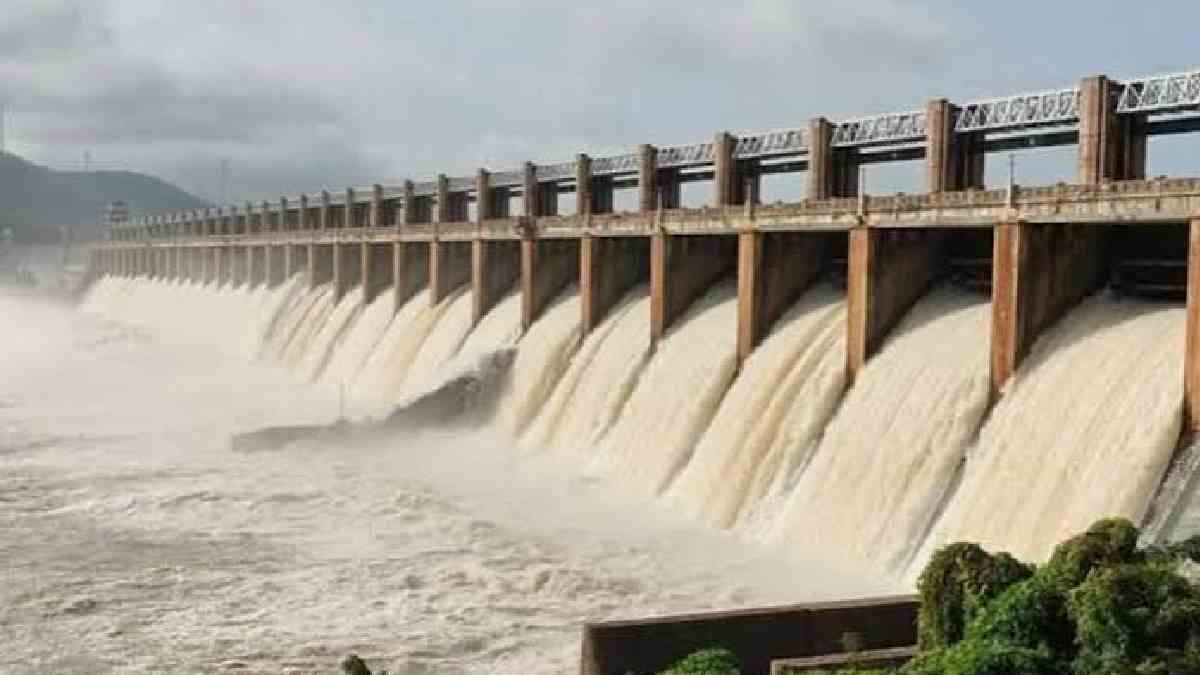
The immediate improvement comes at a crucial time, as concerns for drought had intensified due to below-normal rainfall during the early weeks of the monsoon and predictions of a stronger El Niño effect. Yet the persistent rainfall in the Cauvery, Krishna, and other river basins has significantly improved the state’s water reserves.
Reservoir Storage Jumps by More Than 50 TMC
According to data from Karnataka's Water Resources Department, the total storage in the state’s 22 major reservoirs was 66.62 TMC on July 4. By July 9, total storage had risen to 117.53 TMC, up 50.91 TMC in five days.
The increased reservoir storage is due to the tremendous inflows from torrential rainfall in the catchment areas of Karnataka and the neighbouring states, which significantly eased the drinking water availability and irrigation problems of the current agricultural season.
Reservoir Situation Improves Across the State
The condition of Karnataka's reservoirs has improved considerably over the last week.
On July 4:
- Seven reservoirs were below 25% of their storage capacity.
- Six reservoirs were between 25% and 55% full.
- Seven reservoirs had storage of 55% to 75%.
- Only Vani Vilas Sagara and Mullamari Lower had storage above 75%.
By July 9, the picture had changed considerably.
Only Tungabhadra, Bhima Lift, and Saudagar remained below the 25% storage mark. Meanwhile:
Ten of the major reservoirs, including Krishnaraja Sagar (KRS) and Almatti, reached storage levels between 25% and 55%. Six reservoirs were in the 55% to 75% category. Vani Vilas Sagara and Mullamari Lower were kept above 75% storage.
That is to say, in our opinion, that sustained rainfall has positively impacted water availability in several river basins.
Healthy Inflows Continue
There are still several large reservoirs getting strong inflows.
At Krishnaraja Sagar (KRS) dam, the current storage is 13.51 TMC, and 5.13 TMC is usable water. The reservoir is receiving an inflow of 12,694 cusecs while only 684 cusecs are being released downstream.
Almatti Dam is also recording one of the highest inflows in the state at 1.31 lakh cusecs.
Other significant inflows include:
Tungabhadra: 28,000 cusecs
Bhadra: 16,304 cusecs
Hemavathi: 15,646 cusecs
These healthy inflows will also improve the reservoir storage if rainfall continues to increase, they said, and if rainfall continues over the next few days.
Major Reservoir Storage Levels (July 9, 2026)
Reservoir - Storage Level
- Kabini - 47%
- Hemavathi - 54%
- Tungabhadra - 13%
- Supa - 25%
- Krishnaraja Sagar (KRS) - 27%
- Ghataprabha - 31%
- Linganamakki - 19%
- Bhadra - 42%
- Harangi - 51%
- Almatti - 36%
- Narayanpur - 59%
- Malaprabha - 29%
(For Supa, Almatti, and Narayanpur, operational measurements are also monitored using water level in metres.)
Relief for Agriculture and Water Supply
The rapid increase in water storage will benefit Karnataka's agricultural sector by enhancing irrigation availability in the crucial kharif cropping season this year. Farmers who had been afraid of delayed rainfall now have renewed optimism as reservoirs continue to fill.
The improved storage also strengthens drinking water security for many cities and towns that depend on these reservoirs, including Bengaluru, Mysuru, Hubballi-Dharwad, and other urban centres.
Outlook
Weather forecasts indicate that several parts of Karnataka are likely to keep getting moderate to heavy rainfall in the coming days. If the monsoon continues its current momentum, reservoir storage levels will be further improved, thus reducing drought concerns and increasing water supply for agriculture, industry, and domestic consumption.
The rapid rise in reservoir levels over just five days shows the importance of the southwest monsoon in Karnataka's water security and offers a positive outlook for the remainder of the rainy season.