Big commercial buildings and apartment complexes in Karnataka may soon need to provide dedicated electric vehicle (EV) charging infrastructure as the Karnataka Electricity Regulatory Commission (KERC) has proposed new regulations aimed at expanding charging facilities across the state.
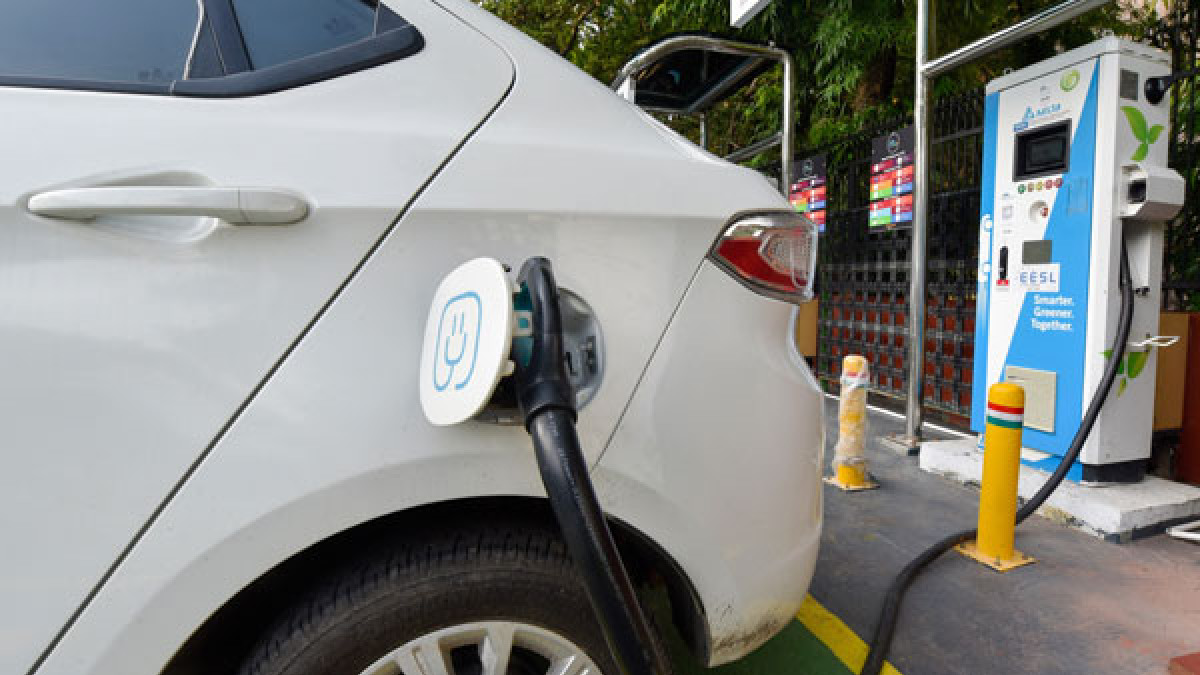
Under the draft Karnataka Electricity Regulatory Commission (Electricity Supply) Regulations, 2026, large buildings in metropolitan areas, urban development authority areas and city corporation limits would need to have EV charging stations and parking facilities. The proposal is part of a larger initiative to enhance electric vehicle adoption and charging infrastructure.
According to the draft proposal, the requirement would apply to commercial and residential buildings with a sanctioned or requisitioned electricity load of 250 kW or more or buildings with a built-up area of more than 5,000 square metres. A minimum of four EV charging stations capable of serving four-wheelers, along with sufficient parking space for such buildings, would be required.
Who Will Have to Provide EV Charging Stations?
The proposed requirement is mainly for large commercial establishments, apartment complexes and other large buildings falling within metropolitan areas, urban development authorities and city corporation jurisdictions.
The move comes as Karnataka is promoting electric mobility. Charging infrastructure has become a crucial factor as more consumers turn to electric cars and other EVs.
KERC had already made provisions for EV charging infrastructure in large buildings in 2019. The earlier framework covered buildings with a load of 250 kW or more or a built-up area over 5,000 square metres. The 2026 draft calls for increasing the minimum number of charging stations to four and includes four-wheeler charging.
The draft regulations have been opened to objections, suggestions and comments from the public and stakeholders. KERC will take the feedback into account before making a final decision.
Separate Metering and Electricity Connections
The proposed framework also addresses one of the practical challenges faced by apartment associations and building owners while installing EV charging infrastructure: electricity connections and metering.
Building owners or associations would be allowed to increase their existing sanctioned electricity load for EV charging or get a new connection, subject to the applicable provisions and tariffs prescribed by the Commission.
A separate meter can also be installed to measure the electricity consumed specifically by the EV charging stations. This would allow the charging-related consumption to be separately accounted for and billed according to the applicable EV charging tariff.
For HT and EHT consumers, the proposal also provides for separate sub-metering arrangements for EV charging facilities. The electricity used for charging would be billed separately under certain EV tariff provisions.
KERC's existing EV charging tariff framework provides a separate tariff category for EV charging stations and battery-swapping stations.
Electricity Connection Timelines
The draft regulations also provide specific timelines for providing electricity connections to EV charging facilities.
If no expansion of the electricity distribution network or installation of a new substation is required, the proposed connection timelines would be:
- Metropolitan areas: Within three days of submitting the application.
- Municipal areas: Within seven days.
- Rural areas: Within 15 days.
If the extension of the service lines is needed, the timeline would be 90 days.
In cases where a new substation needs to be constructed, the proposed regulations offer an even longer timeline of up to 24 months for the electricity connection.
The timelines are meant to make the process more predictable for building owners, apartment associations and EV infrastructure operators.
Battery Storage Proposed for Larger Solar Installations
Another very important proposal is for buildings to generate electricity from solar power.
Under the proposed plan, consumers who install solar generation systems with a capacity of more than 10 kW may be required to install a Battery Energy Storage System (BESS).
The proposed requirement aims to increase the use of locally produced renewable energy and decrease reliance on the grid. Battery storage also allows solar-generated power to be used after sunset when electricity demand can still be high.
For EV charging infrastructure, such storage systems could potentially provide additional flexibility by allowing stored solar power to be used for charging during non-solar hours.
The proposed regulations therefore are broader than simply mandating EV charging points. They also address electricity connections, metering, renewable energy integration and battery storage as Karnataka prepares for increased electricity demand from electric mobility.
At this stage, the EV charging provisions remain in the draft regulations. KERC will consider objections and suggestions received during the consultation process before the provisions are finalised and brought into effect.