Now that RBI is set for its MPC meeting, the central bank’s interest rate stance is of the utmost importance for both the economy and finance. But this is particularly so as India gets ready to celebrate the holidays, in which consumer spending in many sectors tends to pick up.
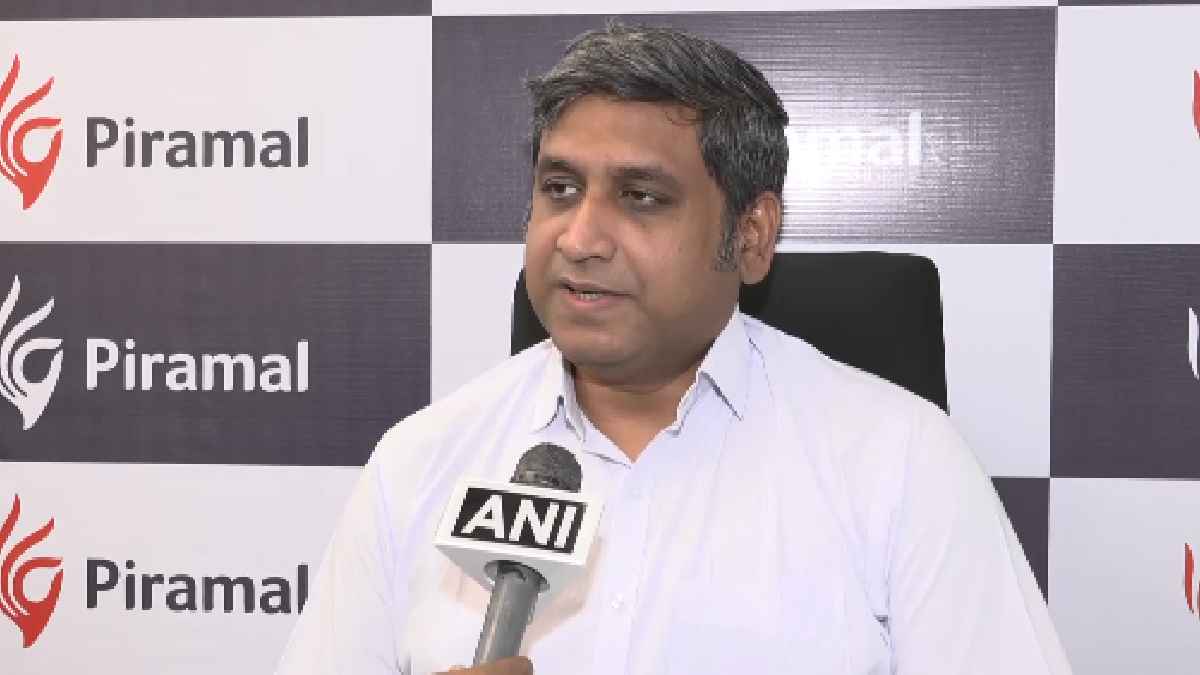
Debopam Chaudhuri, Chief Economist at Piramal Group, is hopeful that the RBI will not raise interest rates at this upcoming meeting. In Mumbai, Chaudhuri said that higher borrowing costs could have an impact on household budgets and discretionary spending during the October-November festive period.
"In the middle of the festive period (Oct-Nov), if EMI burdens increase for consumers, demand for discretionary spending might slow down. I hope there is no interest rate hike in this meeting,” Chaudhuri said.
The comments come at a time when monetary policy decisions are closely linked with borrowing costs for consumers and businesses. A change in the policy rate impacts lending rates offered by banks and financial institutions.
For floating-rate loans, changes in interest rates can eventually affect monthly equated monthly instalments or EMIs.
The festive season is a key period for the consumer-oriented businesses in India. Consumer spending on cars, electronics, appliances, clothing, travel and other discretionary items is high during the season.
Any increase in borrowing costs would then be another factor to consider for the household going to make a big purchase.
#WATCH | Mumbai | On RBI's upcoming MPC meeting, Debopam Chaudhuri, Chief Economist at Piramal Group, says, "In the middle of the festive period (Oct-Nov), if EMI burdens increase for consumers, demand for discretionary spending might slow down. I hope there is no interest rate… pic.twitter.com/9QnKRoC5ru
— ANI (@ANI) September 21, 2026
Chaudhuri’s comments reinforce fears that a higher EMI burden could reduce the amount of money consumers are willing or able to allocate toward non-essential purchases.
The impact would depend on whether any change in rates occurs and how lenders pass the loan on to the borrowers, but increased monthly repayments could put pressure on household spending.
The RBI’s MPC considers economic conditions before deciding on policy. Inflation, economic growth, liquidity and other domestic and international factors are among the key issues in monetary policy decisions.
The decision of the committee has therefore been widely followed by financial markets, banks, companies and consumers.
For businesses that depend on discretionary consumption, a particularly acute interest rate outlook can be relevant. Lower or stable borrowing costs may encourage the financing of consumers and companies, while higher rates can drive up credit costs.
The next MPC decision will thus be closely watched as to what RBI will do to keep inflation and growth going as India enters the festive shopping season. Chaudhuri’s comments show the importance that businesses and economists place on maintaining consumer demand during this time.
The final outcome for consumers will be dependent on the RBI’s decision and how banks and financial firms will respond with an adjustment of lending rates.
The MPC outcome could also provide a clearer picture of the market and help to predict the direction of borrowing costs and the general economic climate going into the last couple of months of the year.