The Karnataka Health and Family Welfare Department has directed all district health officers (DHOs) to step up surveillance and preparedness. The move follows an advisory from the National Centre for Disease Control (NCDC) predicting a rise in Influenza-Like Illness (ILI) and Severe Acute Respiratory Infection (SARI) over the next three months.
Government Instructions for Districts
The government has mandated several strict protocols to ensure the state is ready for a potential surge:
- Mandatory Testing: Districts must collect samples from at least 5% of all ILI cases and 100% of SARI cases for laboratory testing.
- Stockpile Essentials: Hospitals have been told to maintain sufficient stocks of the antiviral drug Oseltamivir, N95 masks, and Personal Protective Equipment (PPE).
- Hospital Readiness: Ensuring the functionality of ventilators and oxygen beds for severe cases is a top priority.
- Vaccination: High-risk healthcare workers, including those who are pregnant or elderly, are encouraged to take the influenza vaccine.
Symptoms to Watch For
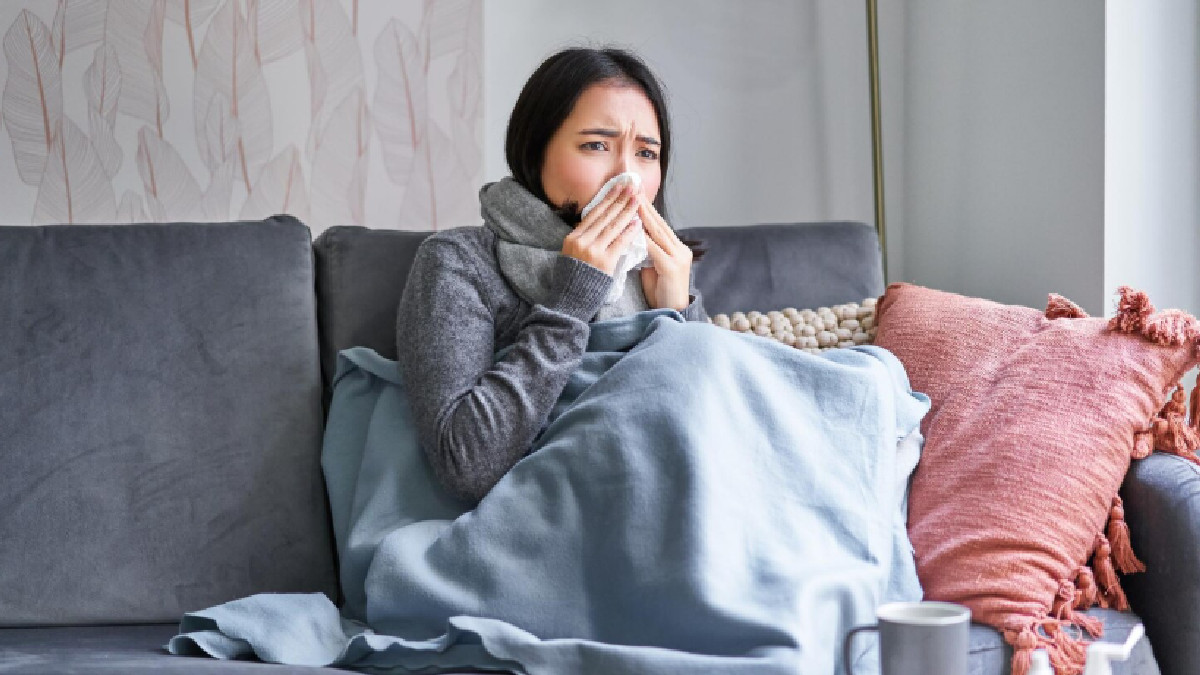
The seasonal flu is typically self-limiting, lasting 5 to 7 days, but can be dangerous for vulnerable groups.
- Common Symptoms: High fever, persistent cough, sore throat, body aches, and fatigue.
- Warning Signs: Difficulty breathing, chest pain, bluish lips, or sudden confusion require immediate hospitalization.
Who is at Risk? Infants, senior citizens (65+), pregnant women, and individuals with comorbidities (diabetes, hypertension, or those on long-term steroids) are at a higher risk of complications.
Dos and Don'ts for the Public
To curb the spread, the health department recommends:
- Hygiene: Wash hands frequently with soap or use alcohol-based sanitizers.
- Etiquette: Cover your mouth and nose with a tissue or your elbow when coughing or sneezing.
- Isolation: If you have fever or a cough, stay home for at least 24 hours after the fever subsides without medication.
- Avoid Crowds: Limit visits to congested public places during the peak winter season.