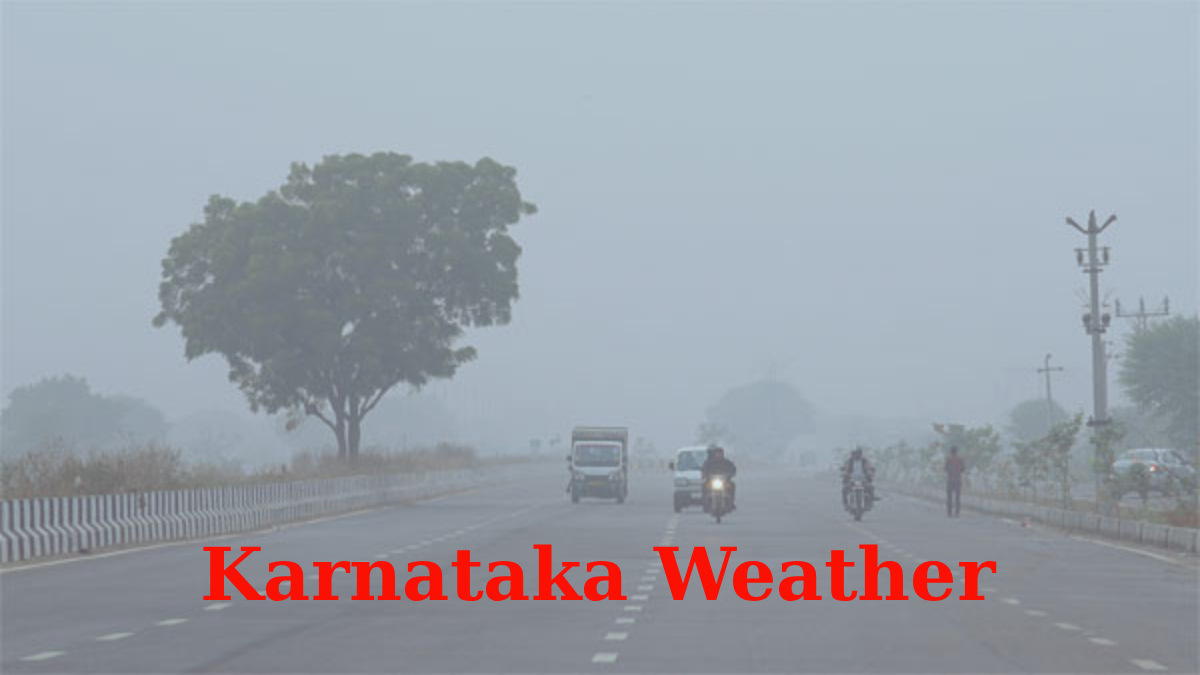
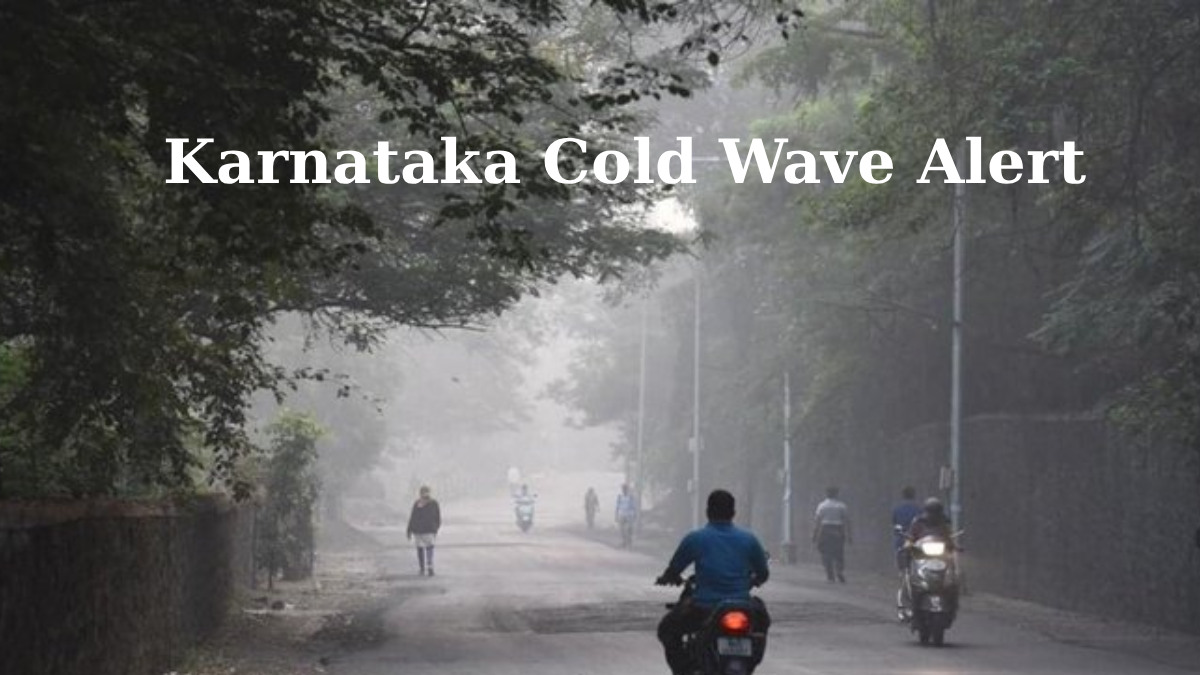
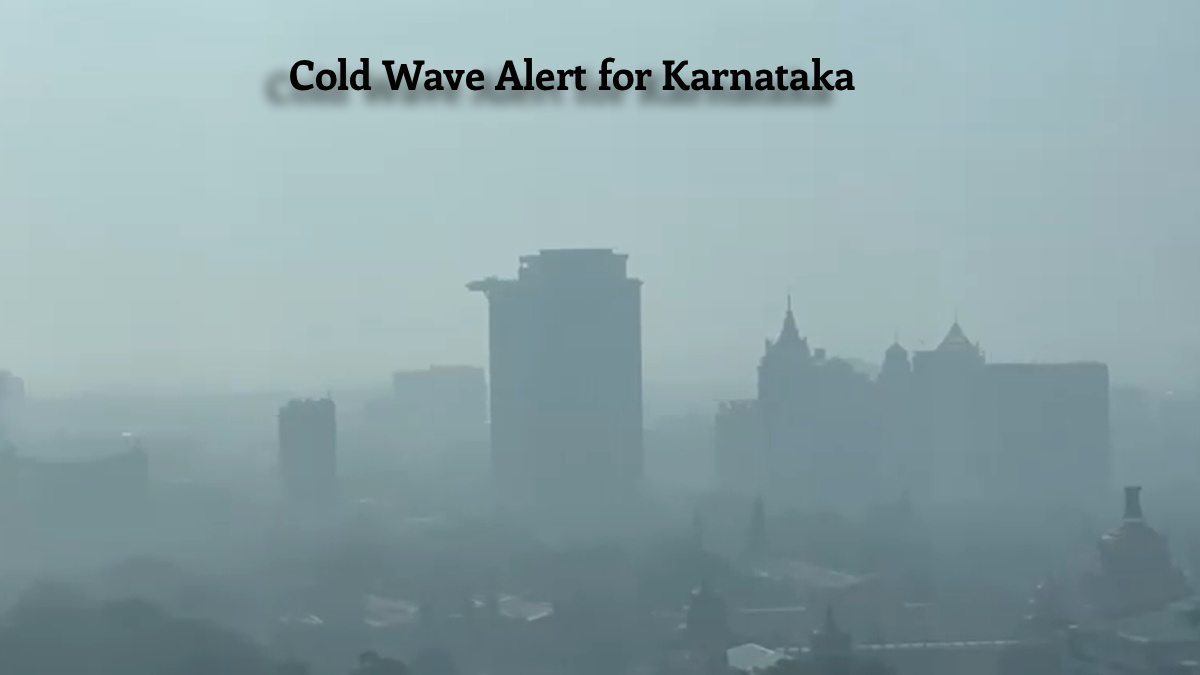
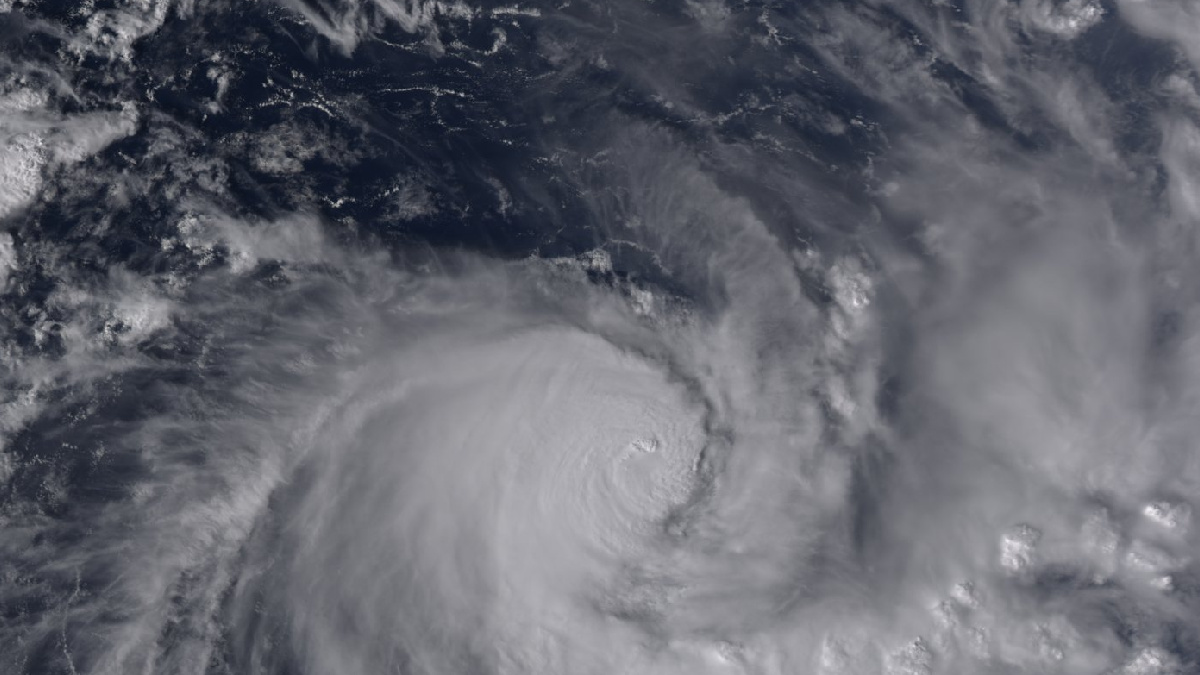
The emergence of Cyclone Bakung in the neighboring sea regions has drastically altered the wind flow over the Indian peninsula. Meteorological experts suggest that the cyclone has facilitated the incursion of cold, dry winds from the northern latitudes toward the south. This "Bakung Effect" has caused a sharp decline in both minimum and maximum temperatures across various districts of Karnataka, including Bengaluru.
Biting Cold and Shifting Temperatures
In several parts of North Karnataka and the Malnad region, the mercury has dropped significantly below the seasonal average. Cities like Belagavi, Bagalkot, and Vijayapura are reporting "Cold Wave" conditions, while Bengaluru has been waking up to thick fog and temperatures hovering between 13°C and 15°C.
The presence of the cyclone has also increased moisture levels in the upper atmosphere, leading to overcast skies in some areas, which prevents the sun from warming the ground during the day, further intensifying the feeling of a "bone-chilling" winter.
Extended Forecast: One More Week of Shiver
The Karnataka State Natural Disaster Monitoring Centre (KSNDMC) and the India Meteorological Department (IMD) have issued a forecast indicating that these conditions will not subside immediately.
- Duration: The cold wave and extreme chill are expected to continue for the next 7 days.
- Impact: Morning fog will likely impact visibility on highways and at airports.
- Health Advisory: Health officials have urged citizens, especially children and the elderly, to take precautions against respiratory issues and flu-like symptoms that typically spike during such sudden temperature drops.
Impact on Agriculture
Farmers in the state are also on high alert. While the cold is beneficial for certain rabi crops like wheat and gram, the sudden dip and potential dew formation can affect sensitive horticultural crops. The department has advised farmers to monitor their fields for frost-related damage.