The Karnataka Health Department has conducted surprise inspections at Anganwadi centres in Dakshina Kannada district as part of efforts to check the quality of food products provided to children and beneficiaries.
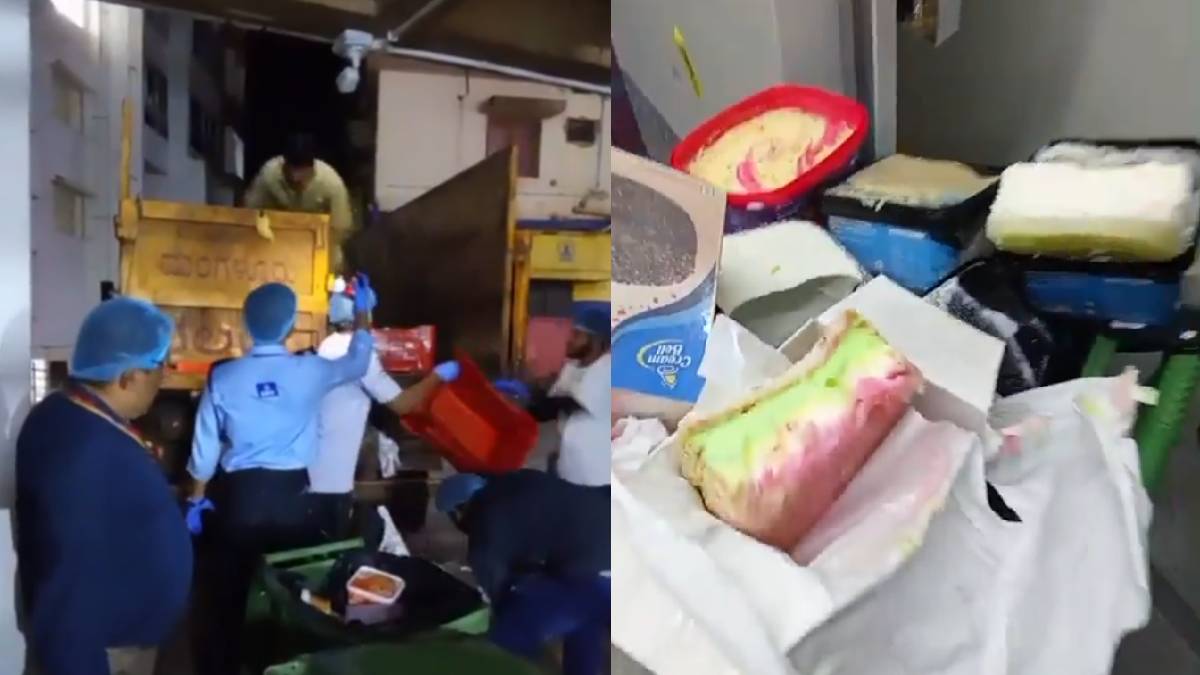
During the inspections, officials collected Pushti, millet laddu powder and sambar powder from the Anganwadi centres. The collected samples have been sent to laboratories for testing to determine their quality and compliance with the prescribed standards.
The surprise checks are intended to ensure that the food distributed through Anganwadi centres is safe and suitable to consume. Anganwadis are the main provider of supplementary nutrition to children and other beneficiaries, and the quality of food provided through these centres is a major public health issue.
The samples collected during the Dakshina Kannada inspections will be tested in the laboratory. The testing process will not only give officials information about the quality and safety of the products being distributed at the centres.
Pushti, along with millet-based nutritional products, is part of the supplementary food provided by the state nutrition programmes. Millet-based foods have also gained importance in nutrition programmes as they are nutritious, and the focus on incorporating traditional grains in public welfare programmes is increasing.
Karnataka health department did a surprise checks on anganwadis in Dakshin Kannada district.
— Imran Khan (@KeypadGuerilla) September 16, 2026
Samples of Pushti, millet laddu powder and sambar powder were collected and sent for laboratory testing.#DakshinKannada @utkhader @DHFWKA pic.twitter.com/BcFw7zjVZV
A sample of sambar powder is equally important because spices and other powdered food products need to satisfy food safety and quality requirements. Laboratory testing can verify whether the samples are in compliance.
Surprise inspections are conducted to assess Anganwadi centres without giving centres advance notice. Such checks can help authorities to identify issues relating to food quality, storage, hygiene and distribution and take corrective measures where necessary.
For parents and families who depend on Anganwadi nutrition programmes, the quality of food provided through these centres remains a concern. Regular follow-up and laboratory checks will ensure that nutritional programmes are achieving their intended purpose while safeguarding food safety.
The Dakshina Kannada inspections also underline the role health officials play in monitoring food supplied through government-supported nutrition programs. Instead of going through routine inspections, surprise checks may give authorities an insight into the actual situation at centres.
The food products will be assessed by laboratory results, and if any deficiency is found in the test results or regulations, then the authorities will take appropriate action.
The Karnataka Health Department’s latest inspection drive therefore focuses on food safety and nutritional quality at Anganwadi centres. Testing on Pushti, millet laddu powder and sambar powder will provide further insight into the quality of the supplies being distributed in the inspected centres.
Further action, if necessary, will depend on laboratory evidence and observations of officials in the inspections.