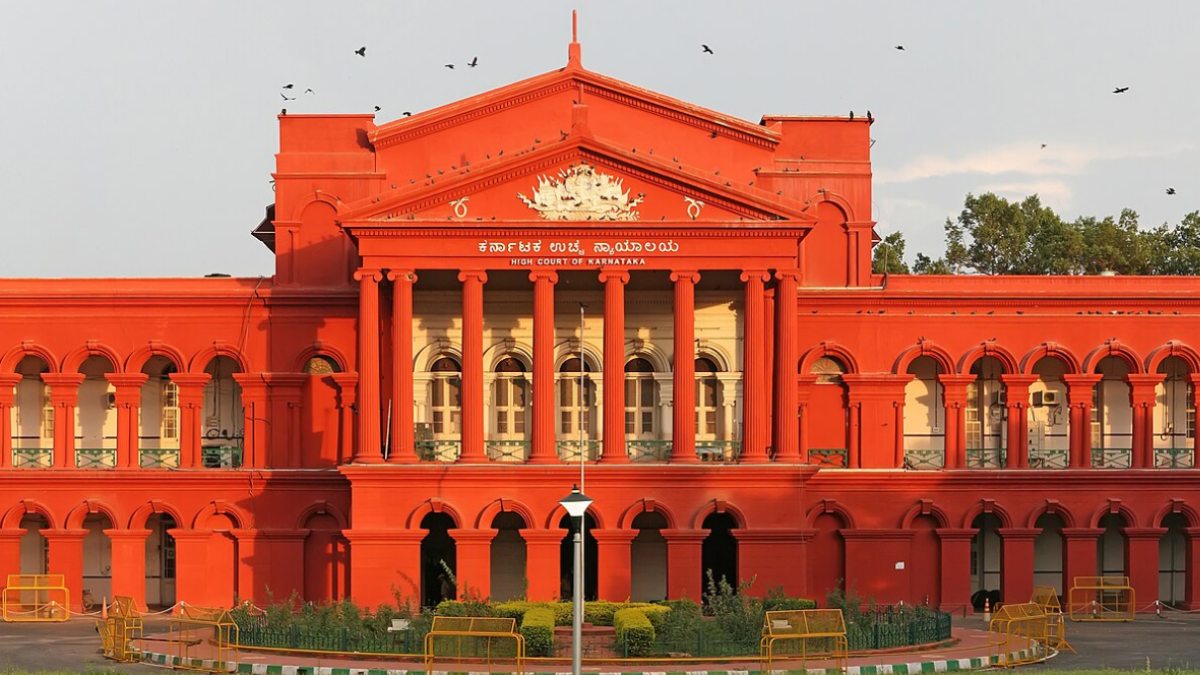
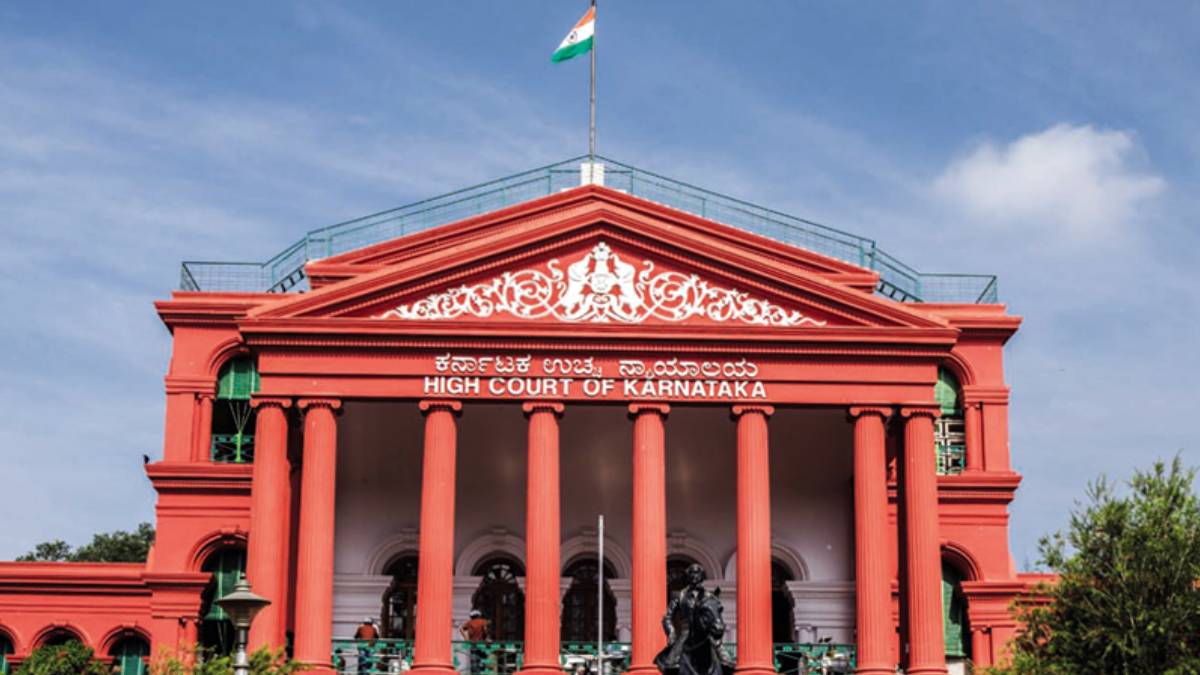
The Karnataka High Court has ruled that chickens transported in vehicles have to get compensation if they die in road accidents. The court ruled that chickens must be treated in the legal sense as “goods” and “livestock,” and make themselves eligible for compensation under the Motor Vehicles Act.
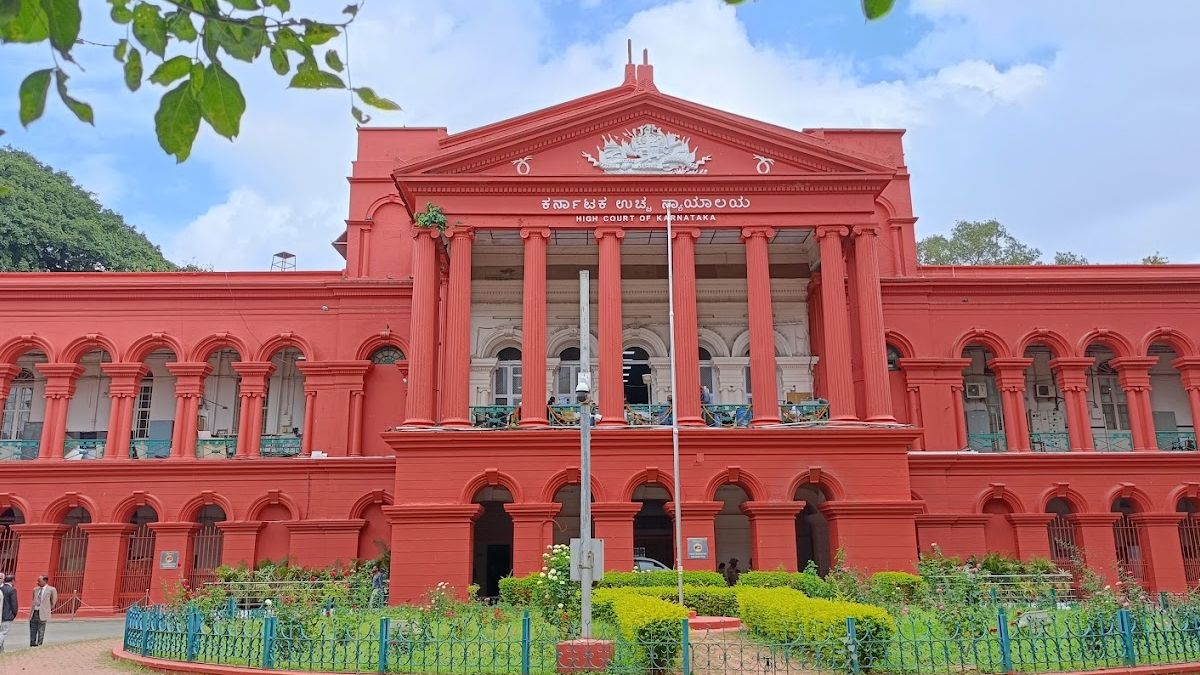
The Dharwad Bench of the Karnataka High Court on 7th June, 2014, ruled on the heels of appeals in relation to a road accident in Ballari district. A goods vehicle carrying thousands of chickens got stuck in a road accident, and more birds were killed in the accident, and the owner suffered huge financial losses. The matter was then brought to the Motor Accident Claims Tribunal (MACT) in Ballari, which ordered the insurance company to pay compensation of ₹4.51 lakh to poultry owner K. Veeranarayanaswamy for the loss.
Reliance General Insurance Company challenged the tribunal’s order, going to the Karnataka High Court, arguing that chickens should not be classified as livestock or living property for compensation under the Motor Vehicles Act. The insurer claimed the compensation awarded by the tribunal was too much and must be reduced or overturned.
On the other hand, the poultry owner appealed for better compensation in a separate case. He said that beyond the chickens that died in the accident, people took away many birds after the accident by members of the public and that he suffered huge economic losses and mental distress. The court had to raise compensation from the tribunal.
Justice K.B. Geetha of the Dharwad Bench in the Karnataka High Court gave a thorough ruling based on the facts of the matter and legal provisions. While the Karnataka Motor Vehicles Rules do not directly mention chickens, the wider provisions of the Motor Vehicles Act (1988) are clear in terms of what constitutes “goods.”
The judgment referred to Section 2(13) of the Motor Vehicles Act, which defines “goods” in such a way as to include livestock and other living property being transported. Chickens are living creatures and therefore fall into the category of livestock and goods. Since they are of economic value and are transported commercially, losses arising from their death in an accident are eligible for compensation under the law.
The High Court said excluding chickens from the definition of goods or livestock would defeat compensation provisions intended to protect owners from financial loss in the event of motor vehicle accidents. So insurance companies cannot deny liability because the cargo involved consists of poultry rather than conventional goods.
The poultry industry, which is an important part of Karnataka’s agricultural economy, would be affected by the verdict. Chicken farmers and traders often transport huge quantities of chickens from one region to another across localities and states, so they’re more vulnerable to losses caused by road accidents. Legal experts say the decision gives the insurance under which animals can be covered in case they’re transported for commercial purposes more comfort for insurance purposes.
The decision also strengthens livestock owners’ rights in the sense that animals that are commercially valuable should have legal protection under compensation laws. Industry observers say the verdict could serve as a seminal precedent in future disputes over transportation-related losses of poultry and other livestock.
By declaring chickens as “goods” and “livestock,” the Karnataka High Court has given a robust interpretation of the law which will be the basis for similar cases in India. The decision underpins the principle that insurance compensation should be sufficient to cover genuine financial losses arising from road accidents, irrespective of the cargo in question– whether it is inanimate goods or living animals.