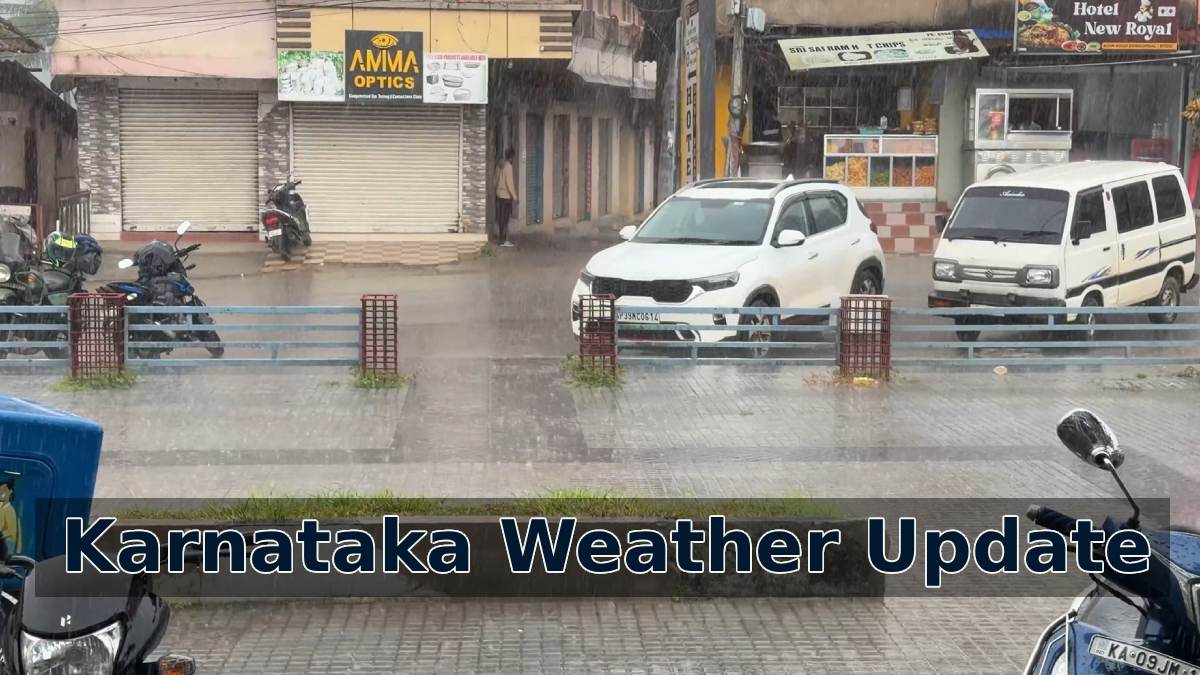
The southwest monsoon is spreading across Karnataka, generating much-needed rains in regions that are depressed and new life for the state’s largest reservoirs. Farmers’ relief and better prospects of drinking water have been brought by the increased rainfall, but the increasing river levels, flooding, and damage to public infrastructure have also been discussed.
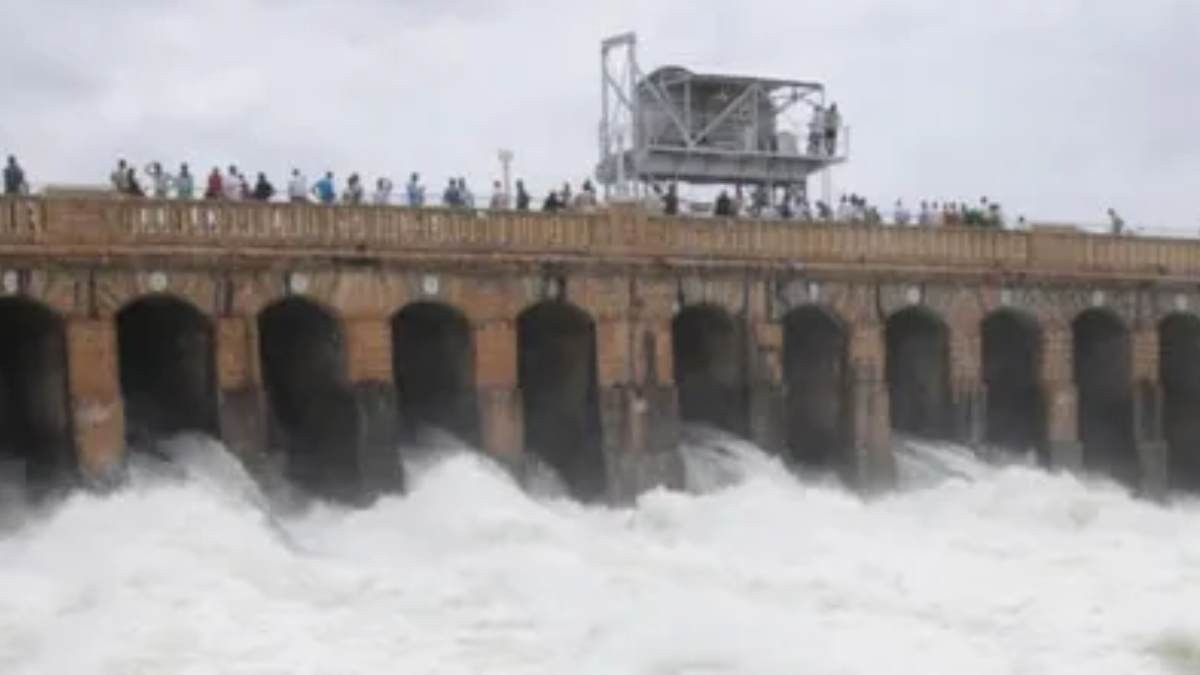
One of the most encouraging things has been the significant increase in inflows to the Krishna Raja Sagar (KRS) Reservoir in Mandya district after almost six months of low inflows. Rainfall in the Cauvery catchment area has kept the water levels stable, and farmers preparing for the agricultural season in the area are excited.
The inflows into the KRS Reservoir have increased from 1,449 cusecs recorded the previous day to 4,291 cusecs in just 24 hours. The reservoir, with a maximum water level of 124.80 feet, is currently at 80.90 feet. The reservoir is currently holding 11.487 TMC of water in a total storage of 49.452 TMC. There are 764 cusecs downstream to manage water flow.
The rising reservoir levels will be beneficial for irrigation projects across the Cauvery basin and can also strengthen drinking water reserves for several districts that rely on the KRS Dam.
Although southern Karnataka has improved water access, the situation in northern Karnataka is becoming more critical.
The Krishna River has been flooded with water due to heavy rainfall in its catchment area. In one day, the inflows of the river have increased by nearly 25,000 cusecs, and this is now about 70,000 cusecs. It is now flowing close to the danger point, and authorities are closely monitoring the flood-prone areas.
On top of the rising water levels, security issues have been raised regarding the lack of safety along the riverbanks in Belagavi district. Residents and local observers have said that even in the face of the flood risk, people still walk dangerously close to the river to wash motorcycles, wash clothes, and do other activities.
Critics have alleged that the district administration has not put sufficient restrictions on public access to vulnerable riverbank areas. Apart from putting up warning signboards, police personnel or disaster management officials have been said to be on the outskirts of the site to prevent people from entering dangerous areas.
Experts stress that swollen rivers can develop powerful undercurrents even when the water is calm, and so these activities are dangerous. They have urged authorities to beef up surveillance and limit access to dangerous locations where water levels are high to protect them and restrict access to high-risk areas until water levels stabilize.
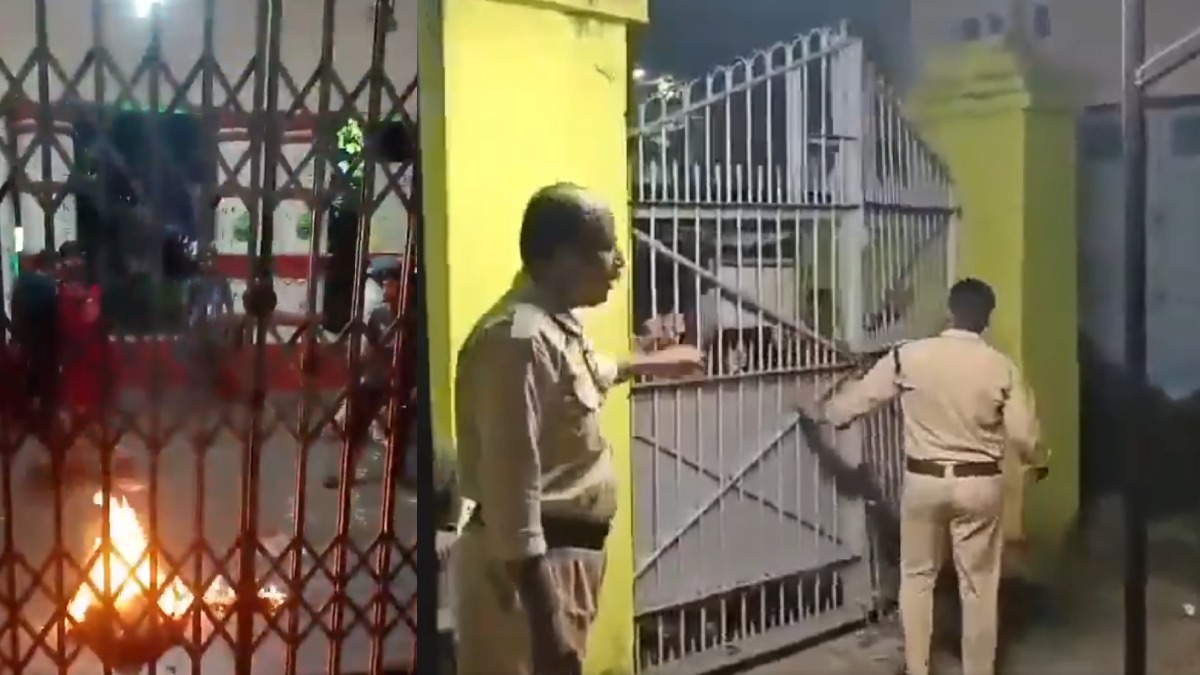
The heavy rains have also caused damage in Karwar in the Uttara Kannada district. Strong winds accompanying the downpour uprooted a massive tree, which fell onto the office of the Assistant Engineer attached to the District Court premises. The building’s roof was extensively damaged, and many important government documents were reportedly destroyed as rainwater entered the office.
The incident highlights the broader impact of the ongoing monsoon, which has affected public infrastructure and government property in several parts of the state. Civic authorities are now assessing the extent of the damage while starting restoration work.
The India Meteorological Department (IMD) has predicted continued rainfall over the next few days as many of the districts in Karnataka are expected to experience heavy rainfall. Residents near rivers, reservoirs, and low-lying areas should remain vigilant while following the advice of local administration.
Disaster management experts have urged district authorities to move beyond signage and warning boards and instead have monitoring teams, police, and emergency response teams set up along vulnerable riverbanks. Evacuation plans for villages near rivers that may continue to see rises in water levels will be recommended as the rainfall continues.
The abundant rainfall has helped farmers regain faith after months of uncertainty. Storage of water in reservoirs such as KRS is expected to assist irrigation during the current cultivation season and improve long-term water security.
The same monsoon that is replenishing Karnataka’s reservoirs is also testing the state’s disaster preparedness. The challenge for authorities to balance the benefits of abundant rainfall with effective flood management, public safety, and infrastructure protection will remain in the days to come. Vigilance will be needed, and early warnings will be given to ensure the safety of communities across Karnataka if heavy rains occur.