Karnataka’s Minister for Primary and Secondary Education Madhu Bangarappa has outlined a plan to establish a government-run Karnataka Public School in every Gram Panchayat across the state, which could eventually lead to nearly 6,000 such schools, aimed at improving access to quality education for children who live in rural areas.
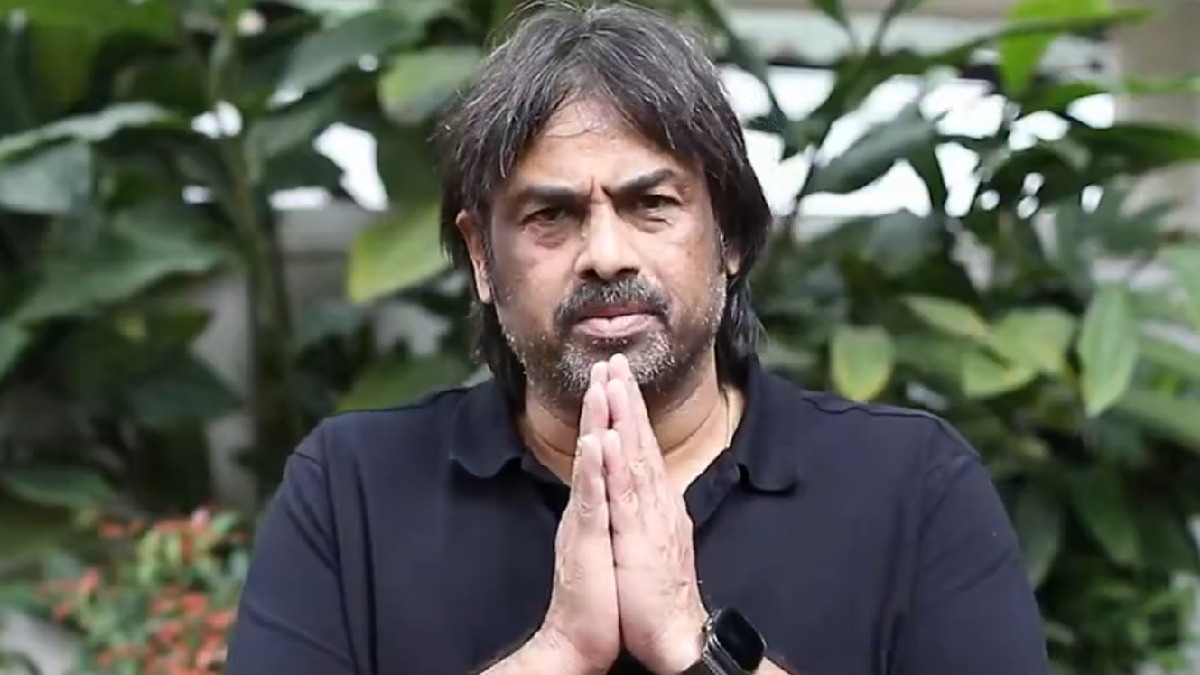
Bangarappa said that at the recent ‘WION AI Edu Summit 2026’ in Bengaluru, he outlined the government’s vision for the expansion of the Karnataka Public School network. At the time he came to power, there were 309 Karnataka Public Schools when he took charge of the education portfolio. In addition, he said, there are going to be 1,000 additional schools, and eventually, the government intends to create public schools to be run by the Karnataka Government in every Gram Panchayat.
Karnataka Public School Plan For Rural Areas
The Karnataka Government launched the Public School project during the 2018-19 academic year. The aim is to provide integrated education from pre-primary to Class 12 by integrating the existing schools through an administrative, academic, and functional framework.
The objective is that the children remain in schools and receive quality education. Karnataka Public Schools teach from LKG through PUC, so students can go through many stages of their education in the same institution.
Bangarappa emphasized the need for this model for families in rural areas of the state. Primary and secondary schools in some areas can be located several kilometres apart, making it difficult for students to travel between institutions and creating additional challenges for parents.
The minister added that students in Karnataka Public Schools can study from LKG to Class 12 in one place and return home to their families without the need for government hostels away from their homes.
Kannada And English Medium Education
The Karnataka Public School model also incorporates Kannada and English as mediums of instruction. Bangarappa said that around 50 per cent of schools in the state had moved towards bilingual education, offering instruction in Kannada and English.
The government is also providing textbooks in both languages. The focus on bilingual education is part of the state’s drive to give students access to English-language learning while retaining Kannada as the primary form of education.
The expansion of Karnataka Public Schools is therefore meant not only for the expansion of government-run institutions but also to improve the facilities and educational environment for students.
AI Education to Reach Government Schools
Bangarappa also spoke of Karnataka’s plans to expand access to artificial intelligence and digital education. The government’s objective is to make AI-related learning accessible to students in government schools, including children in the most remote parts of the state.
The minister said computer education had been made compulsory from Grade 1 to prepare students for a technology-driven educational environment. Schools are also working towards installing Smart Boards and Smart TVs.
Bangarappa spoke about AI education in government schools and said that getting the technology implemented in every child’s education would take time and funding.
Government Plans to Recruit Teachers
The education department still has some issues in its system in terms of teachers, computers, and other infrastructure due to staff shortages, Bangarappa noted. He added that measures are being taken to alleviate those issues.
According to the minister, the department will recruit more than 70,000 teaching faculty members. Increasing the availability of teachers will facilitate the expansion of government schools and assist in staffing requirements.
The government is also taking steps to improve computer access, particularly in Karnataka Public Schools, as digital education and AI become increasingly important components of the education system.
SSLC Results and Examination Reforms
Bangarappa also discussed changes made to the conduct of SSLC examinations in Karnataka. He said the pass percentage was around 80 per cent when he took charge, and malpractice in the examination had affected the sanctity of the process at that time.
The minister also mentioned the use of webcasting during exams as one of the measures taken to prevent copying and other malpractices. He said the SSLC pass percentage has now reached 98 per cent in the latest academic year.
The expansion of Karnataka Public Schools, together with the government’s investment in teachers, technology, and bilingual education in the state, is part of a broader plan to enhance government-run education infrastructure. The plan to establish a Karnataka Public School in every Gram Panchayat would be a significant expansion of the system, but funding, staffing, and infrastructure will be key issues over the coming years.