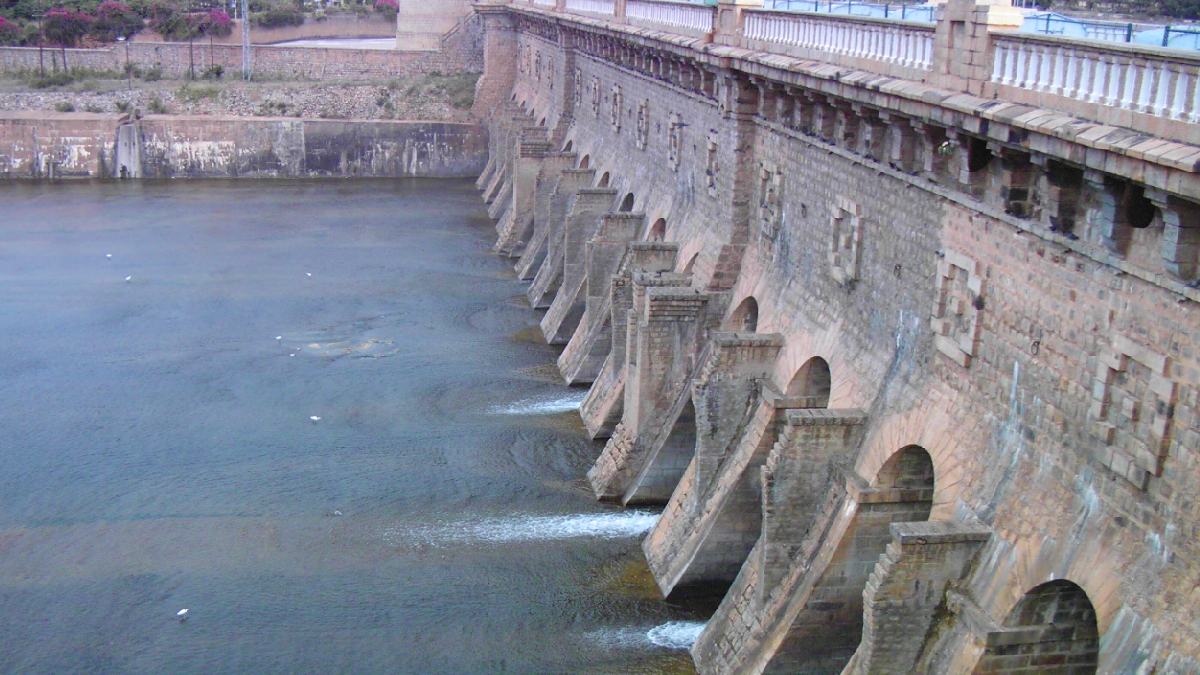
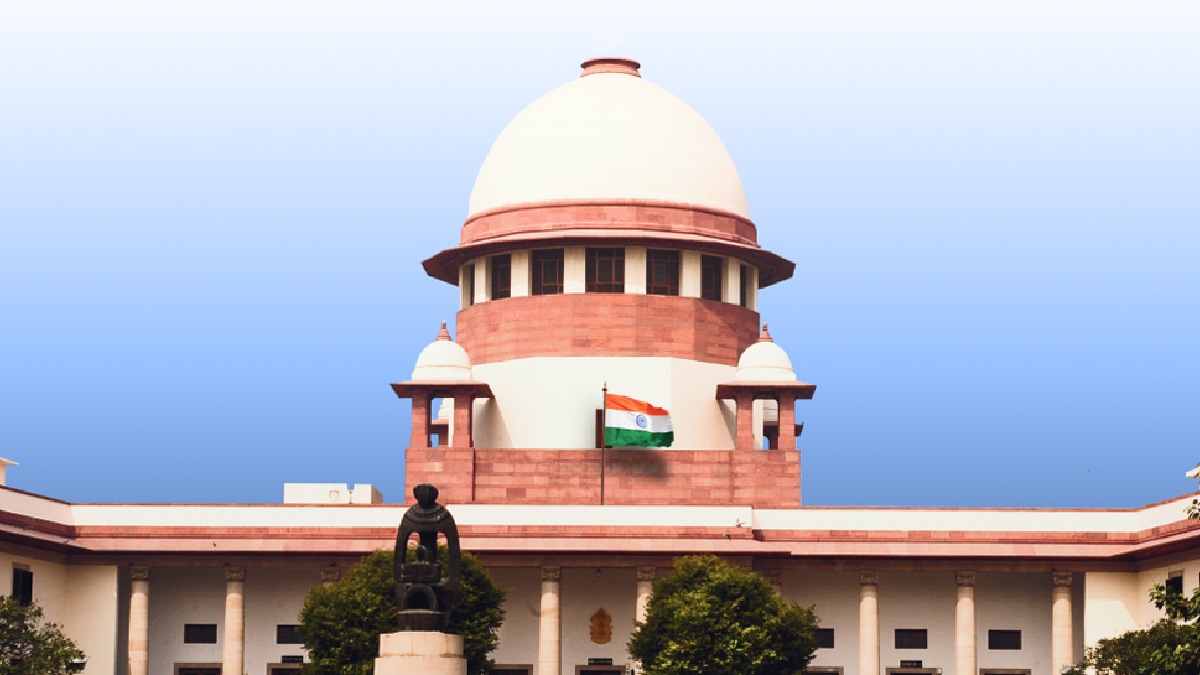
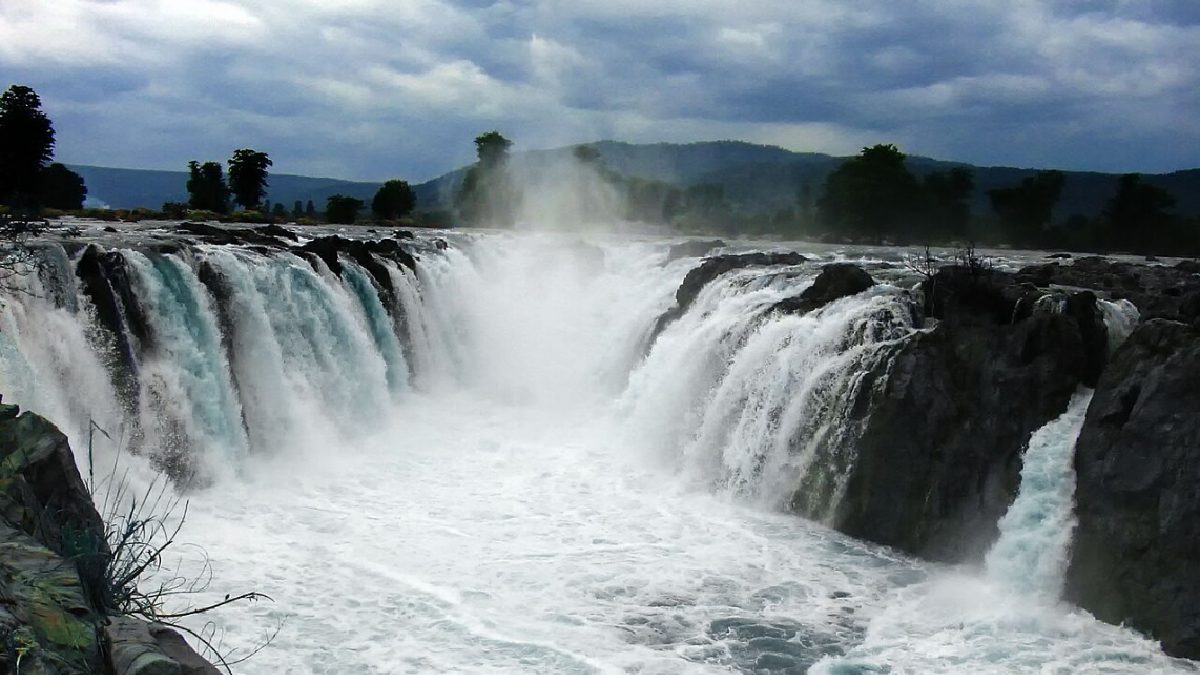
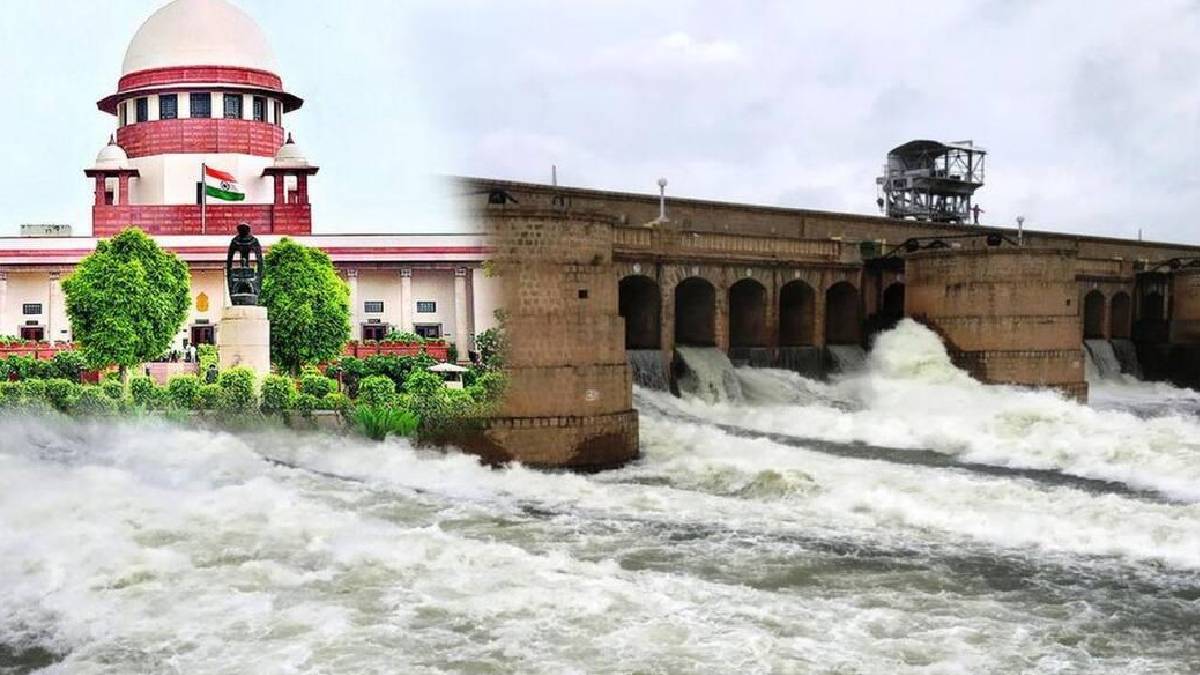
Cauvery water sharing dispute between Karnataka and Tamil Nadu has been made back in focus after the Supreme Court ordered Karnataka to obey the CWMA-ordered release of water to Tamil Nadu.
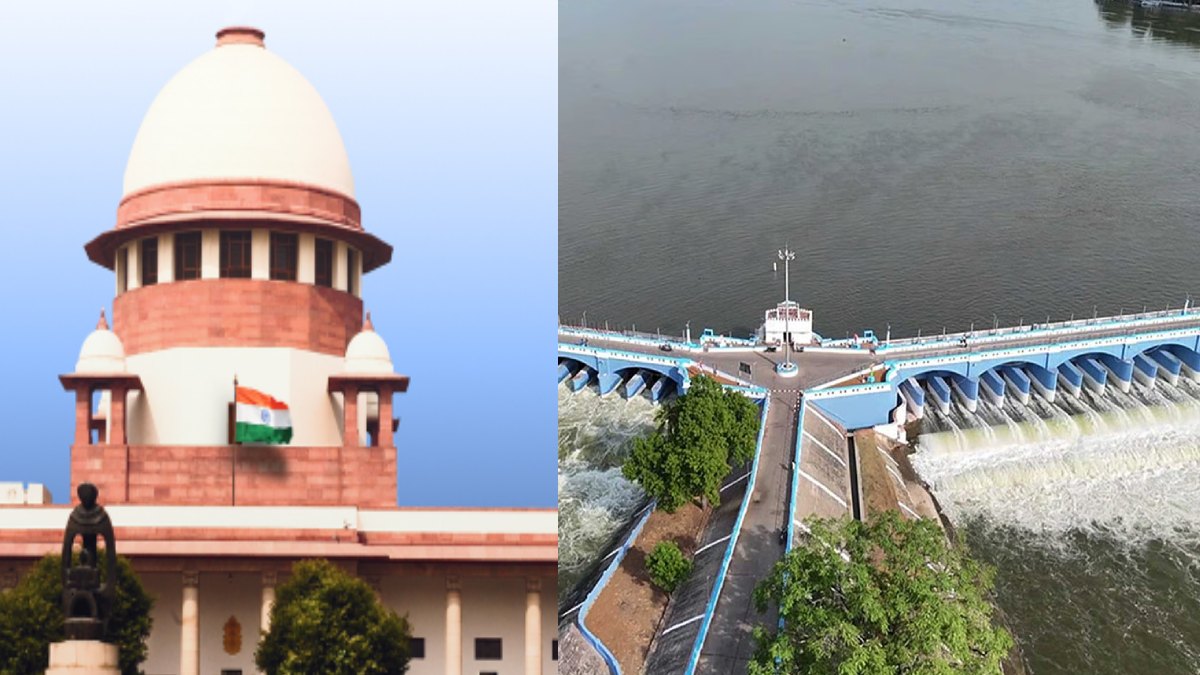
The issue is among rainfall, reservoir storage and water availability in Cauvery has been challenged by Karnataka saying the current conditions are putting pressure on the existing water resources.
The Supreme Court's order followed submissions on compliance with the CWMA's water-release order. Tamil Nadu says it has not received the share of Cauvery water that was allotted to it, while Karnataka has challenged the way it has presented and cited the current hydrological conditions. As such the issue has continued to involve water sharing and how the water sharing arrangement should operate in the presence of a low water level.
The CWMA was set up following the Supreme Court’s 2018 decision on the Cauvery water dispute and works as part of the Cauvery Water Regulation Committee (CWRC) to ensure the implementation of the court’s water-sharing scheme. In years of sufficient rainfall releases can be managed along that process.
In times of deficient rainfall and lower inflows, however, implementation becomes far more challenging when reservoirs in the upper Cauvery basin also need to supply drinking water and irrigation.

The current dispute intensified in the wake of the CWRC recommendation of releasing from Karnataka to Tamil Nadu and the CWMA subsequently followed through. In the past, the authority gave a direction to Karnataka to maintain a daily flow of 3,500 cusecs at Biligundlu for 15 days. Later the release was increased to 12,000 cusecs a day for 15 days in August. These developments drew strong responses in Karnataka, where the government cited water availability and rainfall on the basis of the water flows.
On 17 August the Supreme Court directed Karnataka to comply with CWMA's order of releasing Cauvery water to Tamil Nadu. In their lawsuit, Tamil Nadu contended that the amount released to the state was inferior to the amount ordered by the authority. Karnataka did not agree. The court told Karnataka to follow up on the CWMA order.
Karnataka’s problems are linked to the broader water situation in the state. In September, Chief Minister D K Shivakumar warned of possible water and power shortages as deficient rainfall and worsening drought conditions. The state has already declared 101 taluks drought-hit, and that number may be higher, he said, and also highlighted crop losses and falling groundwater levels.
In this regard, the two states’ competing needs are one of the main issues in the present dispute. Tamil Nadu depends heavily on Cauvery water for agriculture, especially in the delta region, while Karnataka requires water for drinking purposes, irrigation and other needs across the basin. In a year when rainfall is decreasing, the release of water will have a big impact in both states.
The Supreme Court’s intervention does not represent a new allocation formula but concerns compliance with the existing institutional framework governing Cauvery water management. The 2018 Supreme Court judgment reduced Karnataka’s allocation and laid down the framework for sharing the river’s waters among Karnataka, Tamil Nadu, Kerala and Puducherry. It also set up the CWMA and CWRC to oversee implementation and to resolve operational disputes.
Karnataka has also indicated it is looking into legal options on water-release directions. In September, the state Water Resources Minister N Chaluvarayaswamy said the government was considering approaching the Supreme Court over the direction to release 6,000 cusecs daily for 15 days, citing declining inflows and difficult ground conditions.
The recent developments underline the continuing difficulty of managing an interstate river during a period of water stress. Reservoir levels, rainfall, inflows and the amount of water released downstream are likely to be the key in discussions between Karnataka, Tamil Nadu and the central water management authorities.
The Supreme Court's guidance means Karnataka should continue to comply with the CWMA direction while the legal and administrative issues of Cauvery water sharing are being studied further. More developments will be made in the future with court and CWMA decisions and whether water will be available in the Cauvery basin.