Rice prices in Karnataka and other parts of South India could rise sharply in the coming weeks as a severe rainfall deficit and water shortage threaten paddy cultivation and supplies.
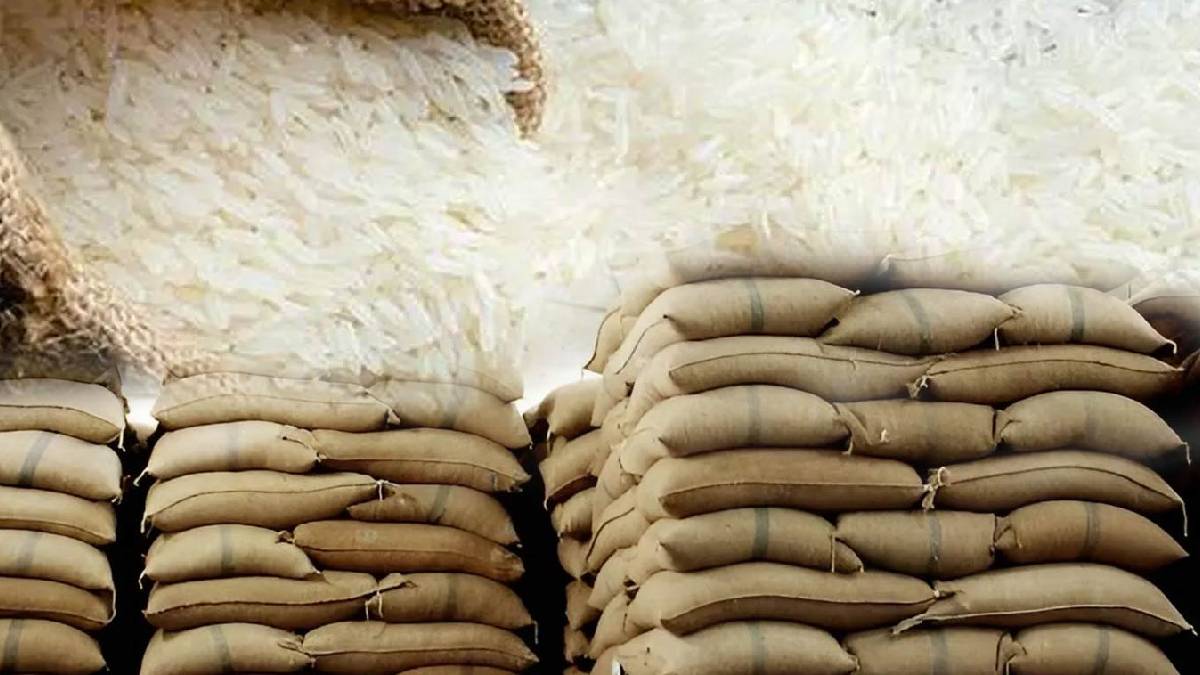
If the shortage continues, the retail price of ordinary rice, which has already risen to around ₹70-₹80 per kg in major cities, could potentially touch ₹100 per kg.
The main concern is the sharp decline in paddy cultivation across some of the major rice-producing districts of Karnataka, including Raichur, Ballari and Koppal.
Paddy Cultivation Takes A Major Hit
Karnataka had set a target of cultivating paddy on 10 lakh hectares this year. Yet, according to the information shown, planting has so far been completed only around 20% of the targeted area.
The shortage of water has discouraged farmers from transplantation, particularly in the areas where irrigation is provided from the Cauvery and Tungabhadra reservoirs.
The situation is particularly worrying because these areas are traditionally considered Karnataka’s major rice-producing belts.
The farmers depend on regular monsoon rains and irrigation water to prepare their fields and complete paddy transplantation. Where water is limited or uncertain, many farmers are believed to have postponed or avoided cultivation.
If the water shortage continues, the reduced area of cultivated land could lead to a major decline in paddy production in the current agricultural season.
Supply From Neighbouring States Also Hit
The problem is not restricted to Karnataka.
Andhra Pradesh and Telangana, which are important rice sources for Karnataka's markets, have also been reported to have seen lower paddy yields due to poor rainfall.
This has further tightened supplies.
With production falling locally and in neighbouring rice-producing states, the inflow of rice into Karnataka from outside the state has reportedly come to a halt.
With such a reduction of local production and weaker supplies from other states, there will also be more pressure on wholesale and retail markets.
Retail Rice Prices Rise
Consumers are already beginning to feel it.
The price of commonly consumed rice varieties in major urban retail markets has increased from around ₹50 per kg to ₹70-₹80 per kg.
Traders are now concerned that prices could rise further when fresh supplies do not reach the market.
If rainfall conditions are poor and paddy cultivation is still significantly below normal, traders are concerned that retail prices will eventually reach ₹ 100 per kg.
Such an increase would put more pressure on household budgets, especially for lower- and middle-income families for whom rice is a staple food.
Rice Mills Face Supply Crisis
The shortage is also affecting the rice milling industry.
Well-known rice milling centres in Davangere and Raichur are facing severe shortages of raw paddy.
Several mills are said to have only enough stock to continue operations for a limited number of days.
If fresh paddy is not available, some mills may have to temporarily suspend milling.
A continuous shutdown of rice mills would be another link in the supply chain crisis, reducing the amount of processed rice reaching wholesalers and retailers.
Millers and traders are therefore closely watching paddy arrivals and government intervention.
Demand For Immediate Government Intervention
To prevent the situation from worsening, there are calls for the government to release foodgrain stocks from Food Corporation of India (FCI) warehouses into the open market.
If done in an efficient manner, such a move would increase market availability and moderate retail prices.
Authorities are also advised to take measures against hoarding and black-market activity.
The government will be closely watching prices and supplies as prices rise and supplies tighten, both for the rest of the industry and for consumers.
The release of sufficient stocks to the market may provide temporary relief while the government assesses the extent of the production shortfall.
Rainfall Holds The Key
The future of rice prices will be determined by rainfall and water availability in the coming weeks.
If rainfall improves and farmers are able to increase paddy transplantation, some of the expected production loss could be reduced.
But if the rainfall deficit remains, the impact could even go beyond farmers and rice mills to consumers in Karnataka and other parts of South India.
In addition to less acreage, diminishing yields in neighbouring states, limited paddy stocks and increasing retail prices, a potentially serious supply situation has arisen.
For consumers, their main worry is that rice could become very expensive.
For farmers, the water shortage threatens cultivation and income. For rice mills, the lack of raw material could put operations at risk of stopping. And for the government, the priority is to get enough stocks to the market before the supply crunch becomes more acute.
Rice prices in some markets are already above ₹80 per kg, and timely intervention and better water availability may be vital in preventing the price from rising further and saving consumers from a potentially ₹100-per-kg price shock.