Abhishek Sharma Golden Duck: Abhishek Sharma had a rare failure during the rain-shortened T20I against Japan at the Sano International Cricket Ground. The left-handed batsman was out for a golden duck when he was dismissed on the very first ball he faced as India was restricted to a five-over innings after a long weather delay.
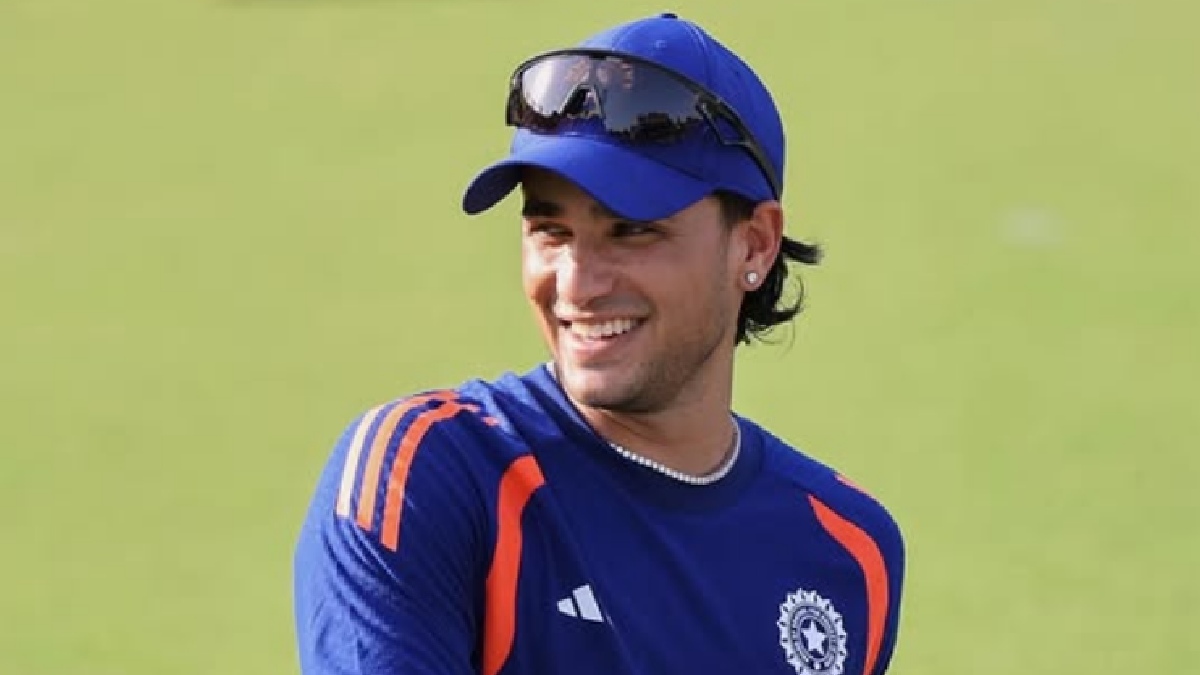
India captain Shreyas Iyer won the toss and chose to bat first in the historic match. They were to have five overs as a team due to the rain interruption but they should have made use of every delivery. Sanju Samson opened the innings in the company of Abhishek Sharma but the India opener was at the crease for only one delivery.
Japan struck immediately when Charlie Hara-Hinze bowled a delivery on the leg stump. Abhishek attempted a low pick-up shot, aiming to help the ball to the leg side. But he couldn’t control the shot or the top edge and the catch was made by Shoma Sugaya-Slater, who was moving backwards and Abhishek’s innings had been effectively over.
Abhishek departed for 0 off 1 ball, leaving India at 7/1. The dismissal was particularly notable because it added another first-ball failure to the batter's 2026 T20I record.
Abhishek Sharma Joins Unwanted List
According to the data provided, the dismissal against Japan was Abhishek Sharma's fifth first-ball duck in men's T20Is in the 2026 calendar year. That stands alongside Rwanda's Kevin Irakoze and Richard Ngarava on the list of batters with five golden ducks in one calendar year.

Still, golden ducks are not a nice statistic for any batter but Abhishek’s otherwise aggressive batting style in T20I cricket is a good record. The India opener has a reputation for attacking bowling from the very first ball and, hence, the way he was removed at the very start of the match against Japan was even more shocking.
The unwanted moment just happened to be the same time Abhishek had another landmark. He had just recently broken the record for the fastest T20I century among batters from full ICC member nations, which is a stark contrast as he has not been performing in recent years.
India faces early trouble against Japan.
Abhishek's dismissal immediately put pressure on India’s short innings. With only five overs left, losing an established opener inside the opening over meant India had limited time to recover and build a competitive total.
Shreyas Iyer was responsible for most of India’s score. The captain scored 16 runs and Sanju Samson also contributed as India also tried to make the most of the last deliveries.
Japan's bowlers kept India’s batting line-up under pressure during the shortened innings. India ended up on 32/4 in five overs, leaving Japan with 33 to win the contest.
The low target ensured that Japan stayed in the race during the chase. India, while having a much more experienced T20I side, could not afford any lapse with such a small margin between the teams.
Japan Push India In Five-Over Thriller
Japan began the chase with the possibility of making a major upset. India made early breakthroughs through Washington Sundar, while Ishan Kishan was involved in a sharp run-out that further increased the pressure on the hosts.
Japan refused to surrender, however. Benjamin Ito-Davis and Alexander Shirai-Patmore helped steady the innings and kept the chase alive as the required run rate remained within reach.
Japan went to the final over needing eight runs to win what would have been a memorable victory. India turned to Axar Patel to defend the total, and the experienced all-rounder delivered a controlled final over.
Axar conceded only six runs and India held on for a narrow victory. The result demonstrated how competitive the shortened match was despite India having a huge early lead.
For Abhishek Sharma of India, however, the match will be remembered mostly for his first-ball dismissal. The golden duck against Japan added to an unusual run of first-ball exits in 2026, even if the India opener is still one of the team's attacking options in the shortest format.
The contrasting statistics reflect the unpredictable nature of T20 cricket. A cricketer who can make hundreds will also find himself back in the pavilion after just one delivery. Abhishek’s latest dismissal adds a stain to his career, even as he has made some of his best T20 performances in recent years.