Saurav Das has raised concerns over the condition of government schools in Odisha after visiting three schools as part of the “School Thik Karo, Odisha edition” initiative.
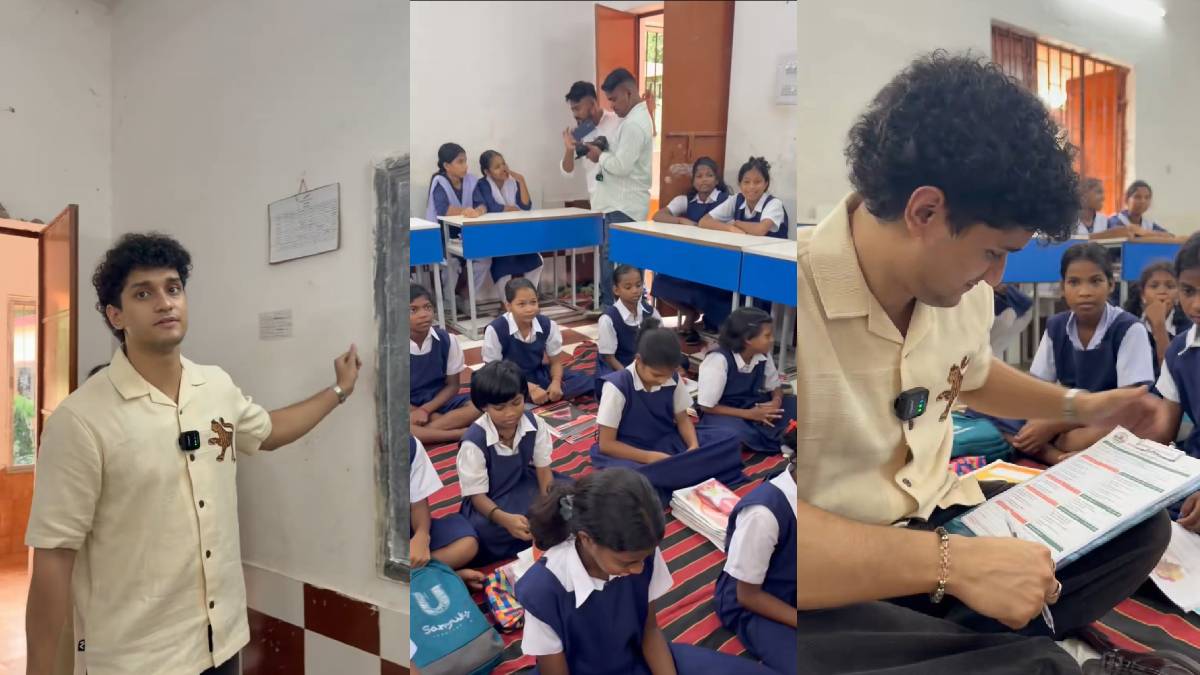
Das said in his social media posting that all three schools he visited had poor hygiene conditions. One of these institutions was an SC/ST Ashram school in Bhubaneswar where there were concerns about sanitation and the overall condition of the school premises.
Das said the school hygiene problem is urgent for the Odisha government. Lack of sanitation facilities can be a big barrier to education, and among teenage girls it is so and so, and there is much more to be done to make sure there is a good school environment so that young girls can learn and grow up.
There were some concerns beyond cleanliness to be found on that visit. Das said some structures in the school complexes looked to be dilapidated and possibly dangerous, further raising questions about the maintenance and safety of school buildings.
School infrastructure is much more than classrooms and educational facilities. Good toilets, drinking water, disposal of waste, stable buildings and well-maintained campuses are all part of a good learning environment.
🚨School Thik Karo, Odisha edition.
— Saurav Das (@SauravDassss) September 21, 2026
Visited three schools. This is a SC/ST Ashram school in Bhubaneswar. All schools had terrible hygiene conditions. Odisha govt needs to ensure this is fixed, especially since this is a reason teenage girls drop out of schooling.
Some… pic.twitter.com/fuEayqcQMU
Das’s concerns also underscore the difficulties that adolescent girls face when they are seeking and continuing education. Lack of sanitation and privacy can only be a bigger issue for girls as they get older and become adolescents. Schools should have clean and functional facilities, and they should be kept clean to promote regular school attendance and retention.
Older structures need to be looked after, too. And those buildings and other facilities which have deteriorated over time need regular inspections and timely repairs. Where structures pose potentially hazardous risks to citizens, authorities may need to close off access until necessary repairs or reconstruction is completed.
Das’s observations on the three-school trip have also brought home the need for sustained investment in school maintenance. Building new educational facilities is important, but existing infrastructure needs to be maintained regularly to ensure that students and teachers can use it safely.
The “School Thik Karo” initiative focuses on the everyday conditions students encounter in schools. Odisha’s experiences show how hygiene, sanitation and building maintenance are part of the larger debate in education.
For students from marginalised communities, including students studying in SC/ST residential and Ashram schools, the quality of campus facilities can be particularly important because the school environment may also serve as their residential setting.
Das’ concerns now are about the responsibility of the relevant authorities to take a look at the schools and to address sanitation and structures that may need to be repaired or rebuilt.
The building of schools is not the only thing that we can do to get better school infrastructure: maintenance, cleanliness, safety inspections, and sanitation facilities should be ensured in schools so that students can learn in a secure and supportive environment.