The recognition of Tulu as the state's second additional administrative language in Dakshina Kannada and Udupi districts by the Karnataka government has triggered a fresh craving for the same for Urdu. The Social Democratic Party of India (SDPI) has advocated for Urdu as an official language and for its expansion in government services and public administration.
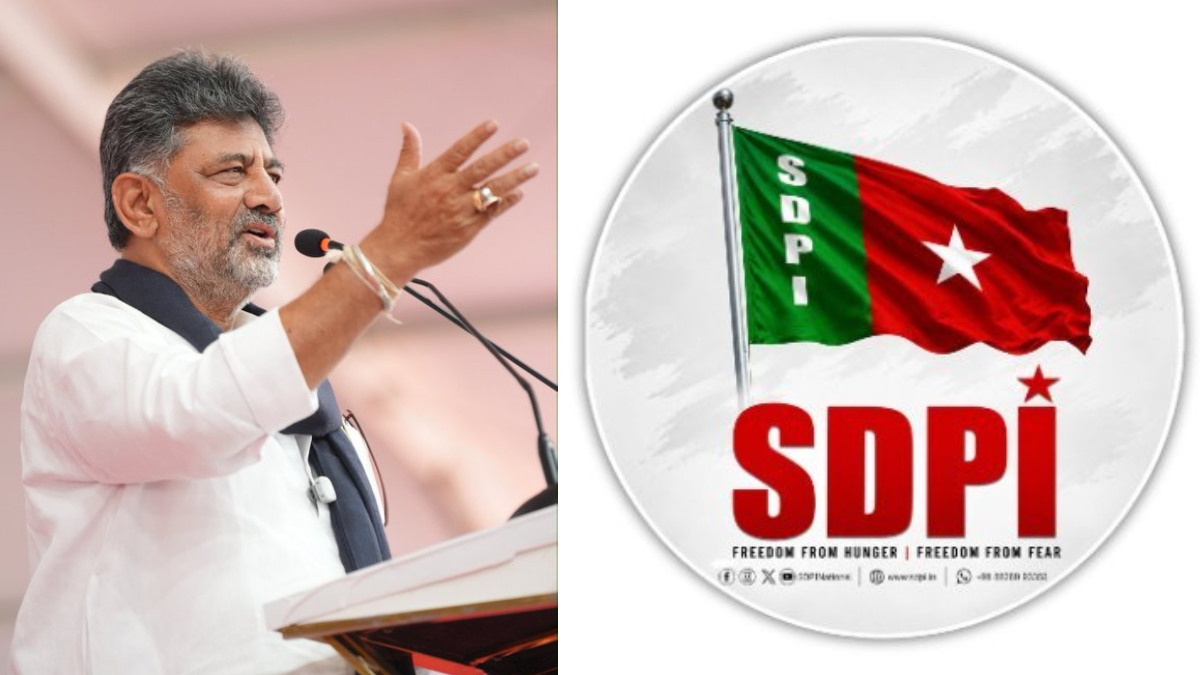
SDPI Karnataka President Abdul Majeed has written to Chief Minister DK Shivakumar seeking official language status for Urdu in the state. In his representation, Majeed pointed out Urdu-medium educational institutions in Karnataka and argued that recognition of Urdu would help people access government services and information in the language.
The demand comes shortly after the Karnataka Cabinet decided on Tulu. After a Cabinet meeting in Mangaluru, the government announced that Tulu would be recognised as the second additional administrative language in Dakshina Kannada and Udupi. A long history of efforts by Tulu-speaking communities and organisations to achieve administrative recognition for the coastal language is now being rewarded.
SDPI Seeks Urdu Recognition
Based on SDPI’s representation, Abdul Majeed has also asked the Karnataka government to consider Urdu's status in a similar manner. He mentioned 4,236 Urdu-medium schools in the state and suggested measures that would make it easier for Urdu-speaking people to get to the offices.
The SDPI leader has claimed that giving recognition to Urdu does not endanger Kannada's position as a majority in Karnataka. The party has proposed arrangements that would allow citizens to access some government services and information in Urdu along with the existing official language in the state.
The demand is to provide options for submitting applications and receiving information in Urdu at government offices. A system like this would make public services more accessible to people who can speak Urdu, the party said.
SDPI Urges Karnataka Government to Grant Official Language Status to Urdu
— Yasir Mushtaq (@path2shah) September 21, 2026
Bengaluru
The Social Democratic Party of India (#SDPI) Karnataka has welcomed the State government's decision to accord additional official language status to #Tulu in Dakshina Kannada and Udupi… pic.twitter.com/0CwiBozOq3
Demand for Urdu Information in Government Recruitment
The SDPI has also sought information regarding government recruitment and competitive examinations in Urdu.
According to the demand, recruitment notifications, examination-related information, and other important details should be made available in Urdu where applicable. The party has also raised the issue of vacancies in Urdu-medium schools and asked to fill teaching positions.
So the demands go beyond symbolic recognition and focus on the practical use of Urdu in education, government communication, and public services.
Tulu Decision Puts Language Demands in Focus
The latest demand comes at a time when language policy has received renewed attention in Karnataka. Tulu-speaking organisations had long argued for official recognition, citing the language’s historical, literary, and large speaker base. Tulu was finally selected as an administrative language with Dakshina Kannada and Udupi in the Karnataka government.
The issue had been on the agenda for the September 18 Cabinet meeting in Mangaluru. Political and cultural organisations had urged the government to take up the long-standing demand.
The government’s Tulu decision has thus triggered a more general discussion about the recognition and administrative use of other languages spoken across Karnataka.
What SDPI Is Seeking
The key demands outlined by SDPI include:
- Official language recognition for Urdu in Karnataka.
- Provision for submitting applications in Urdu at government offices.
- Availability of government information in Urdu.
- Filling vacant teaching posts in Urdu-medium schools.
- Providing information related to government recruitment and competitive examinations in Urdu.
- Greater accessibility to public services for Urdu-speaking citizens.
The state government’s response to the SDPI representation is awaited. A formal change in language policy would depend on the government’s consideration of the demand and the applicable administrative and legal procedures.
For now, the development brings a new dimension to Karnataka’s ongoing debate over the administrative recognition of regional and community languages, after the Cabinet’s recent decision about Tulu.