The state of Karnataka has already started to feel the scorching sensation of summer, even though the calendar still says February. India Meteorological Department (IMD) recently released data showing temperatures in all districts in the state have increased significantly in the past 48 hours. Mercury is already heating up to 30 degrees Celsius in virtually every part of the state, and concern is starting among citizens and farmers for this early onset of the heatwave.
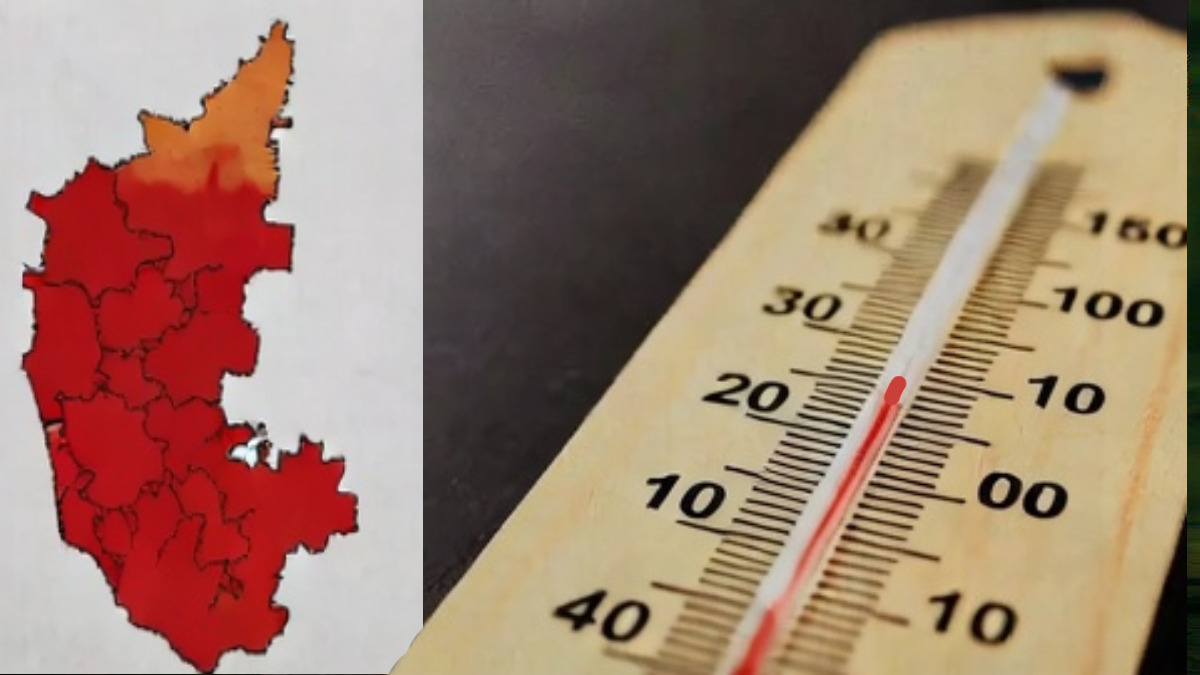
Coastal Karnataka Bear the Brunt
Now, the coastal belt is the place where one can get the most extreme heat, rather than being the hot northern plains that we had in the past. Karwar was the hottest area in the state, reaching 37.4°C in searing summer. This was caused by a delay in the setting of the sea breeze and clear weather conditions over the coastal area. Honnavar hit a maximum of 35.6°C after Karwar and coastal humidity was extremely oppressive to its residents.
Heat Map: Bengaluru - Kalaburagi
Even the state capital Bengaluru, which normally enjoys good weather, has begun to feel the heat. Today, the peak temperature of the city was 31°C. Relative to the coast, this is quite mild, but the trend is quite different from that of February, which sees only a slight increase in nighttime temperatures. In the northern part of the state, Kalaburagi, which is also known as the “oven of Karnataka,” has had its temperature registered at 34 degrees Celsius; despite this, Kalaburagi is anticipated to reach significantly greater levels in April and May, but the early trend indicates that summer will be particularly brutal across the Kalyan-Karnataka region.
Why Is It Getting Hot So Fast?
Meteorologists say a number of factors are driving this early “summer dhage” (summer heat):
- Clear skies: The peninsula lacks moisture or clouds, so direct solar radiation heats the ground very quickly.
- Wind Patterns: Easterly winds are undermining the effect of maritime air to cool during the afternoon.
- Urban Heat Island Effect: The expansion of concrete cover and car exhaust in cities such as Bengaluru are trapping heat, causing the area to become warmer and drier.
Health and Safety Advisory
Since it’s been getting hotter for the past 10 years, health experts say the public should start to act now:
- Hydration: Drink more water, buttermilk, and tender coconut water to prevent dehydration.
- Peak Hour: Prevent direct sun exposure between 12 PM and 4 PM particularly for children and elderly.
- Clothing: Light-colored, breathable cotton fabrics for regulating body temperature.
IMD estimates that the dry spell will last a week with temperatures in the interior districts rising between 1-2°C higher. As the state gears up for a long summer, the early heat signals a wave of the region’s shifting climatic conditions.