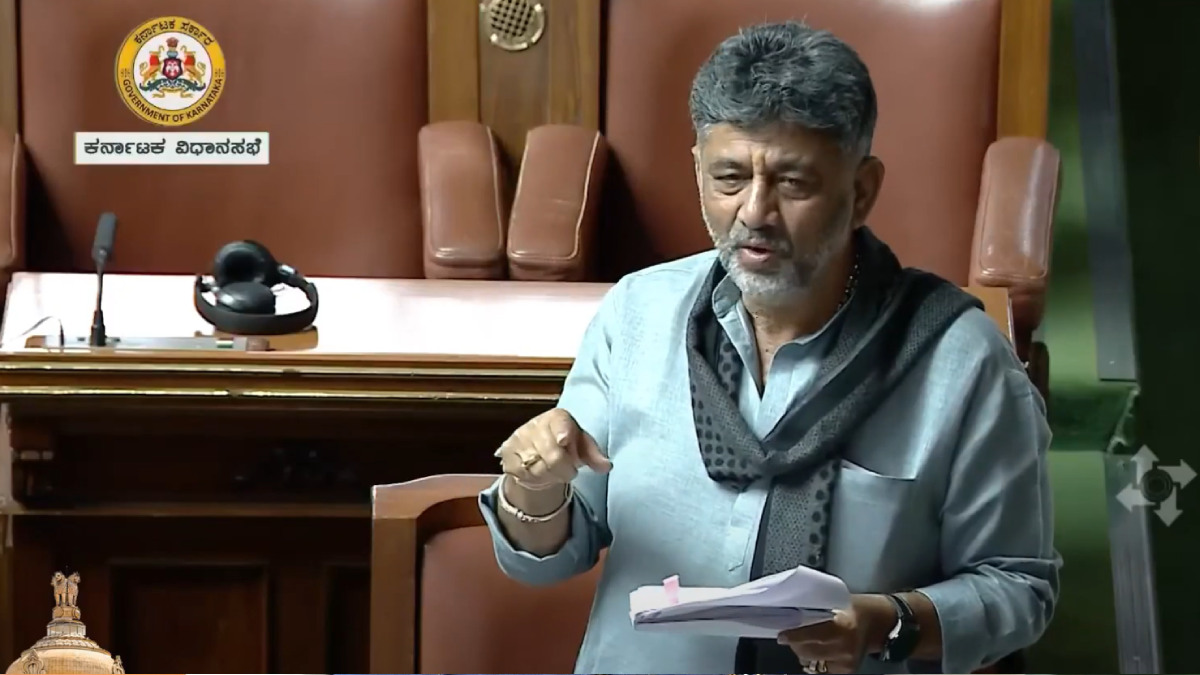
Karnataka’s four state-run road transport corporations have a combined financial loss of around ₹8,000 crore and the corporations are having trouble finding enough money to pay the salaries of their employees, Transport Minister Byrathi Suresh said in Karnataka Legislative Council.
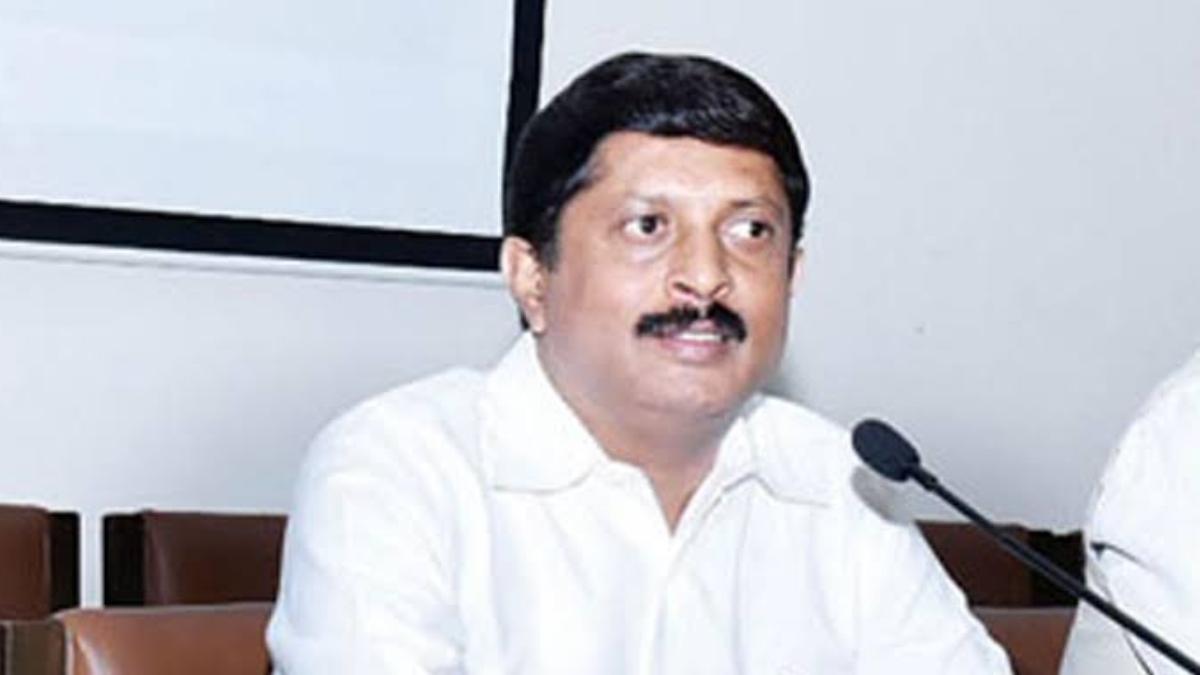
The minister’s comment has brought to light the growing financial burden on the state’s public transport system and revived plans for a possible change in bus fares.
The four corporations are Bengaluru Metropolitan Transport Corporation (BMTC), Karnataka State Road Transport Corporation (KSRTC), Kalyana Karnataka Road Transport Corporation (KKRTC) and KSRTC-North Western Division (KSRTC-NW). As per Suresh, the corporations have incurred a loss of around ₹8,000 crore and are still operating bus services in Karnataka.
One of the major reasons cited by the minister was the increase in diesel and other petroleum product prices. Suresh said diesel prices had increased four times but bus fares had not been revised correspondingly. This has put more pressure on the finances of the transport corporations because fuel is one of the major operating expenses for large public bus networks.
Bus Fare Change Under Consideration
The financial hardships have brought into focus the possibility of a bus fare increase. Suresh said the government was looking into a fare revision as a means of making up the losses. But he also raised questions of opposition to any fare increase.
According to his Legislative Council statement, the minister said he was trying to convince Chief Minister D.K. Shivakumar about the financial condition of the transport corporations and their ability to continue providing services.
If approved, the fare increase would be very much a hit to millions of passengers who depend on state-run buses for daily commuting, education, work and travel between cities and rural areas. At the same time, the government has to balance passenger affordability with the financial viability of the corporations.
Salary Payments Under Pressure
The financial crisis has also affected the corporations’ ability to expand their workforce. During the Legislative Council discussion, the issue of pending recruitment was raised with candidates approaching the Leader of the Opposition after completing recruitment examinations and interviews for transport corporation positions.
The minister explained that the corporations were struggling to pay the salaries of those already working. He questioned how new appointments would be made when there was no money to meet existing salary obligations.
The recruitment problem is critical because state transport corporations need drivers, conductors, technical personnel and other employees to maintain and operate their extensive bus networks. Delays in recruitment could have implications for staffing levels and the ability of corporations to expand or maintain services.
Shakti Scheme Adds to Financial Pressure
The financial situation of Karnataka’s transport corporations is also linked to the government’s Shakti scheme, which provides free bus travel to eligible women in the state. In August, the four corporations were waiting for ₹5,650.95 crore in dues under the scheme, according to a written reply from the Transport Minister Byrathi Suresh in the Legislative Council.
From launching the scheme on 11 June 2023 through 31 July 2026, the corporations spent ₹20,955.96 crore under the programme and the government spent ₹15,305.01 crore, leaving the reported outstanding amount.
The same response indicated that the four corporations had recorded nearly 797.16 crore free journeys under the scheme between June 2023 and July 2026. The government has also provided financial support to the corporations for student bus passes, loan and interest payments, purchase of buses, infrastructure, motor vehicle tax exemptions and other expenses.
Financial Sustainability Becomes Key Issue
The latest disclosure puts the financial sustainability of Karnataka's public transport corporations at the centre of attention. Rising fuel costs, operating expenses, salary commitments and delayed government reimbursements all contribute to the pressure described by the transport minister.
Any decision on bus fares will have to take into account both the financial requirements of the corporations and the impact on passengers. At the same time, the government will also have to consider how pending payments and other forms of financial assistance can support the transport system.
At present, the ₹8,000 crore loss figure reported in the Legislative Council illustrated the enormity of the problem of Karnataka’s four major state-run transport companies. A fare shift, a delay in the recruitment process and salary demands are likely to continue to be key issues as the state considers how to improve public transportation services.