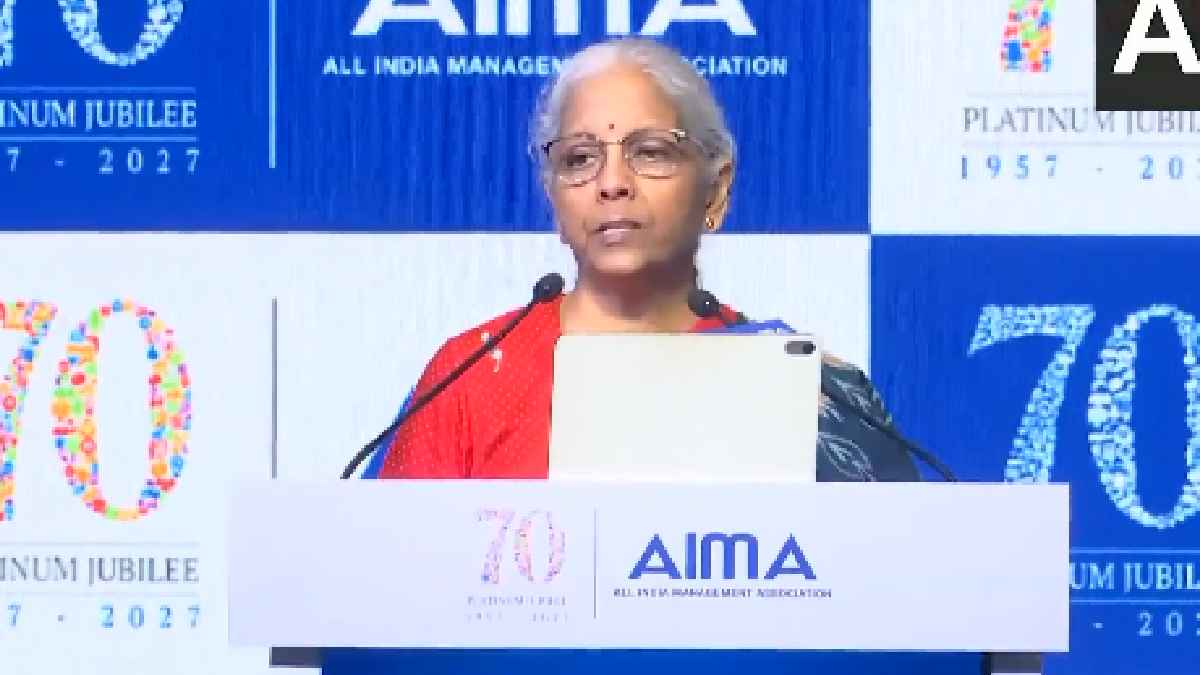
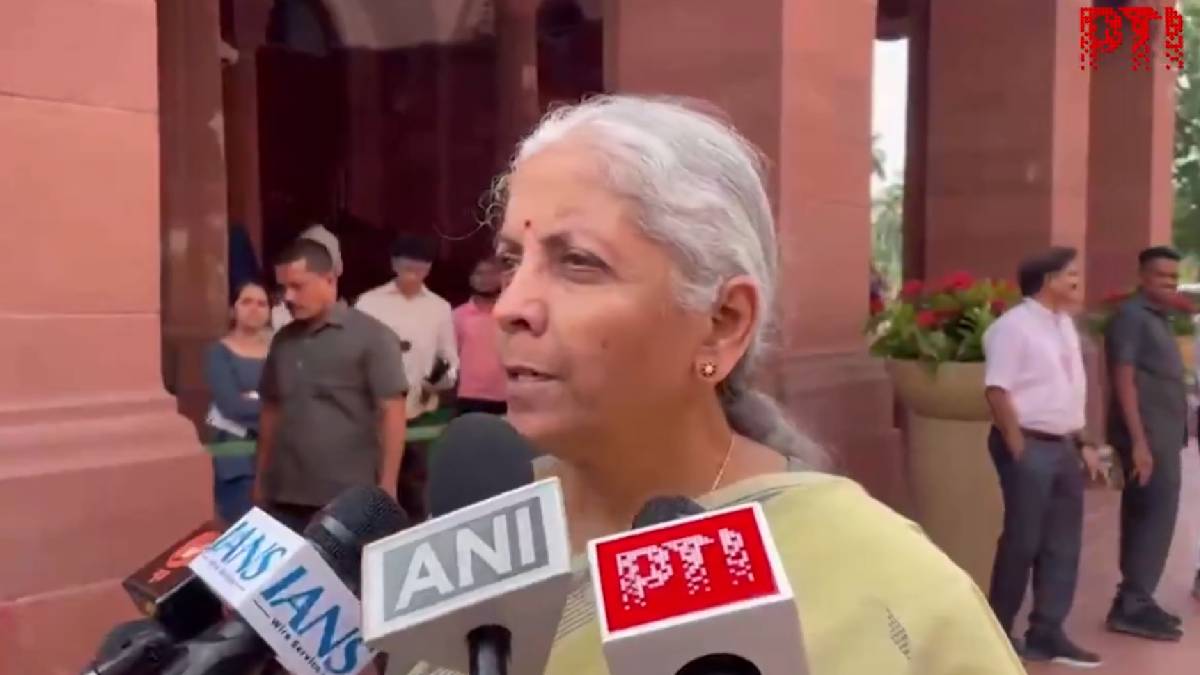
Union Finance Minister Nirmala Sitharaman has said the newly introduced Merchant Discount Rate (MDR) on specified Unified Payments Interface (UPI) merchant transactions above ₹2,000 will not be passed on to consumers.
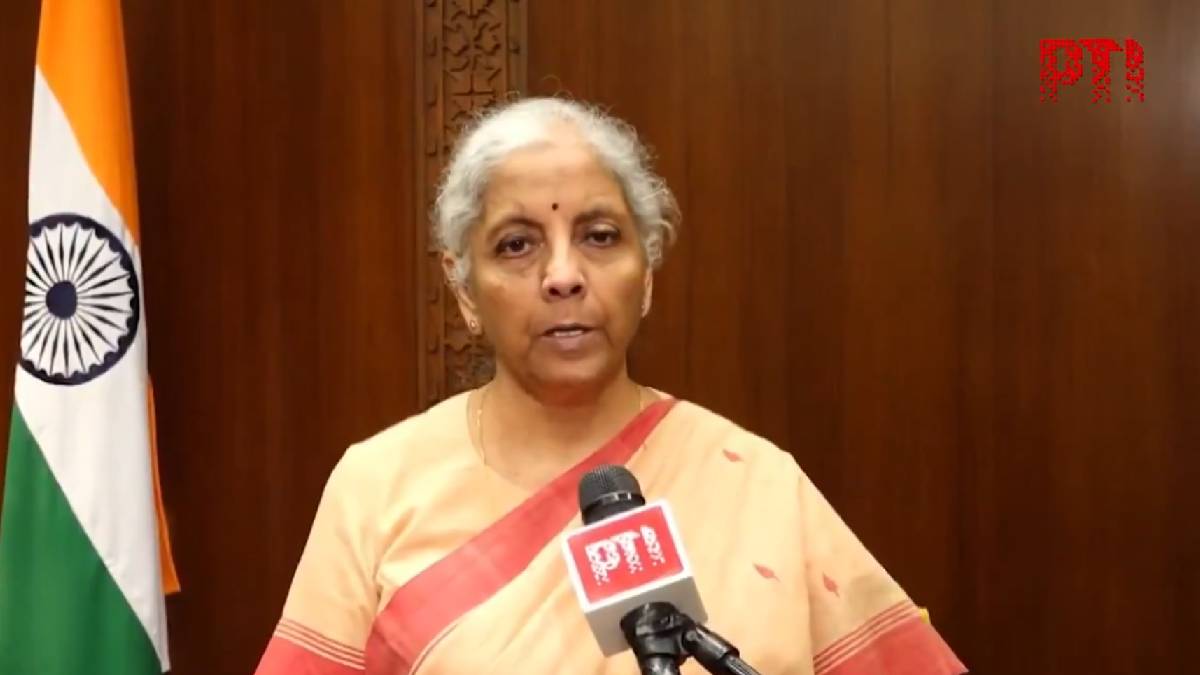
Sitharaman also said that merchants and participants would bear the charge in the payments ecosystem and that customers will not be charged an additional fee for making UPI payments. She also criticized the Opposition for the controversy around the new MDR framework and said it was looking for problems because it was not able to attack the government.
This clarification followed concerns about the introduction of MDR on higher-value UPI merchant transactions. In the new framework, a 0.4% MDR will be applicable for person-to-merchant UPI transactions above ₹2,000 from October 15, 2026. The MDR is a payment ecosystem charge rather than a government tax.
Sitharaman said the MDR is neither a tax nor a cess and the government will not be able to receive revenue from it. The government has also maintained that the money will remain within the digital payments ecosystem with banks and payment service providers.
The Finance Minister said she will be making sure that the Indian Banks' Association (IBA) and agencies involved in charging MDR are instructed that the cost should not be passed on to consumers.
🚨 FM NIRMALA SITHARAMAN : "Opposition searching for issues as it is not able to attack govt.
— News Algebra (@NewsAlgebraIND) September 25, 2026
Above Rs 2,000 UPI, the MDR charge will be borne by the trader, the merchant, bankers and others. It cannot be passed on to the consumer 🔥
It is neither tax nor cess, govt gets no… pic.twitter.com/JkEB4pcVpO
The government’s framework keeps UPI free for person-to-person transactions regardless of the amount. Merchant payments up to ₹2,000 will also be free, while transactions covered under the zero-MDR framework for small merchants will not be subject to the charge. As per the Finance Ministry, about 96% of person-to-merchant UPI transactions will not be affected.
The proposed MDR is intended to create a revenue mechanism for the payment ecosystem while maintaining widespread use of UPI. A limited charge on specific high-value merchant transactions is different from imposing a transaction fee directly on consumers, the government has argued.
But the issue has nevertheless generated debate among businesses and industry groups. Some merchant associations, including petrol dealers, have expressed their concern about the effects of MDR on their margins, particularly in sectors where prices or commissions are regulated.
The difference between MDR and consumer transaction charge is thus central to the government's explanation. While merchant-side MDR will apply for specified transactions above ₹2,000, the government says customers will still make UPI payments without paying a separate fee.
The new comments by Sitharaman are meant to address concerns that merchants may eventually recover the MDR by adding it to the price paid by customers. Her statement indicates that the government aims to avoid such a pass-through and maintain the consumer-facing UPI experience free.
The development has brought a major change in India’s digital payments ecosystem that has been operating largely under a zero-MDR model for some years now. At the same time, the government has also stressed that most UPI transactions will continue and will be made without MDR, especially person-to-person payments and smaller merchant transactions.