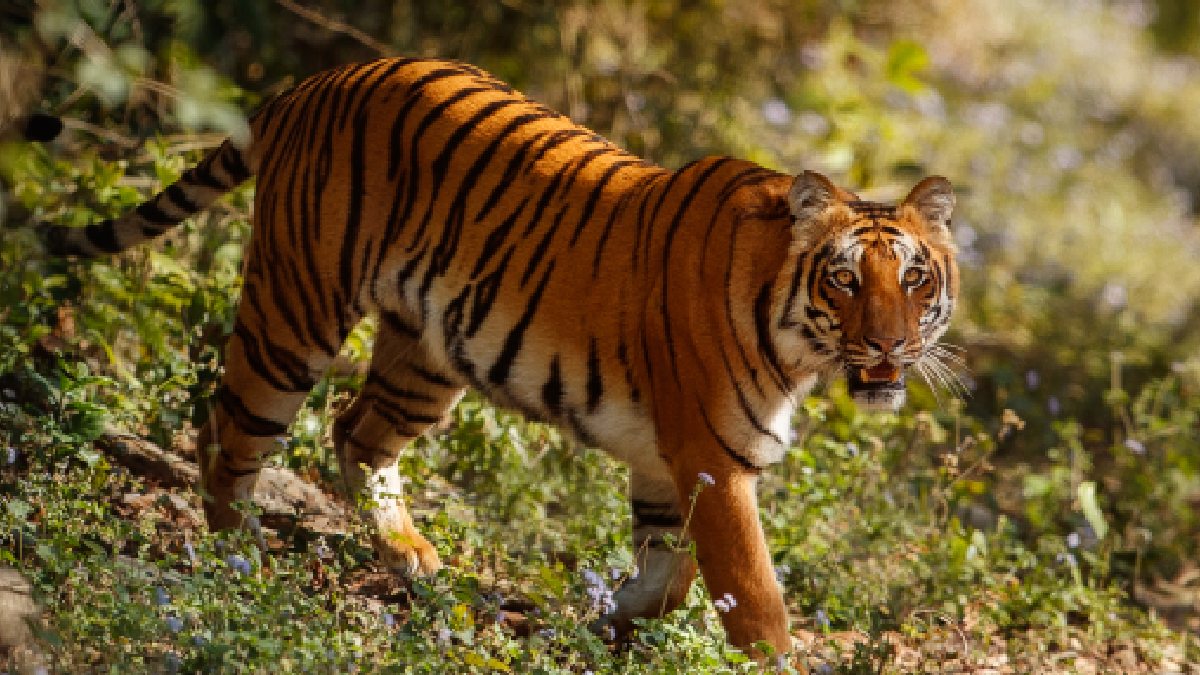
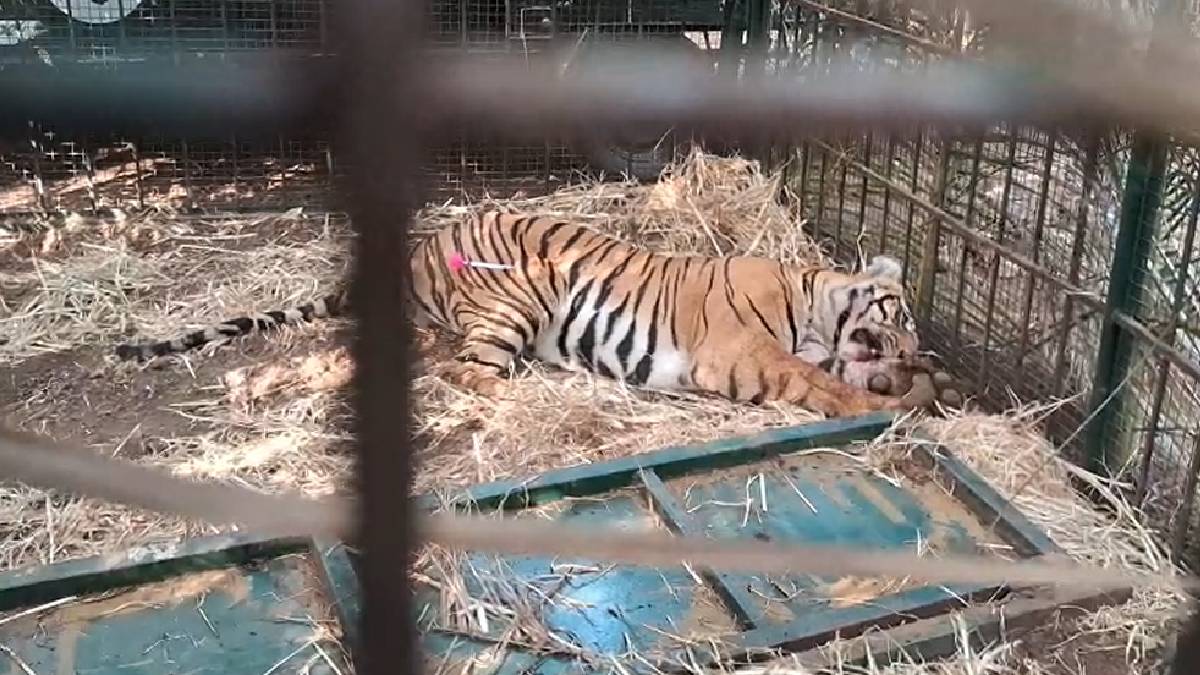
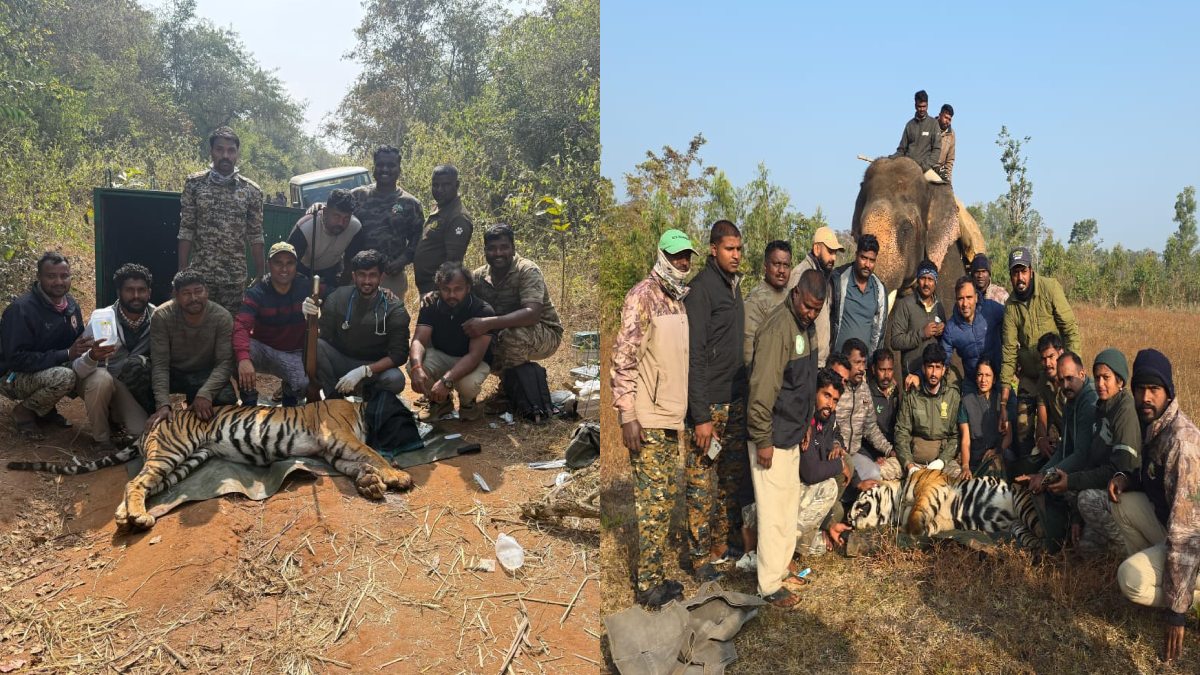
For nearly a month, fear gripped the forest‑fringe villages of Karnataka’s Nagarahole Tiger Reserve, particularly in the Metikuppe range of H.D Kote taluk, Karnataka. A pair of tigers, a six year old male and an eleven year old female had been prowling near the villages, attacking cattle and spreading panic among residents of metikuppe. What followed was a tense standoff between humans and wildlife, culminating in a dramatic operation by the Karnataka Forest Department that ended with both tigers being captured within 48 hours.
Fear in the Forest‑Edge Villages
The villages of Agasanapura, Kallatti, KM Halli, Sollepura villagers had been living in constant anxiety. Every evening families worried about their livestock and children were kept indoors as the two tigers roamed nearby. The pair had developed a habit of preying on domestic animals particularly cows, leaving villagers devastated and demanding urgent action on capturing tigers.
For many the attacks were not just about losing cattle, they symbolized the fragility of life on the edge of the forest. Villagers pleaded with Forest Department authorities to capture the tigers before more damage was done.
The Forest Department’s Operation
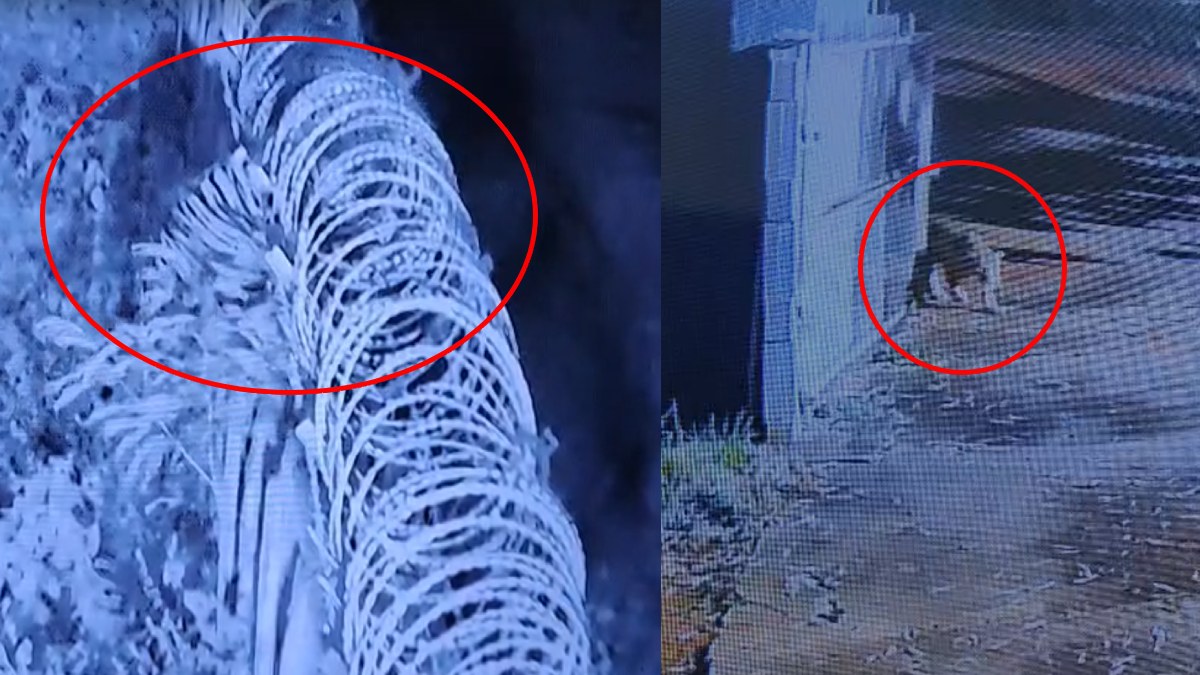
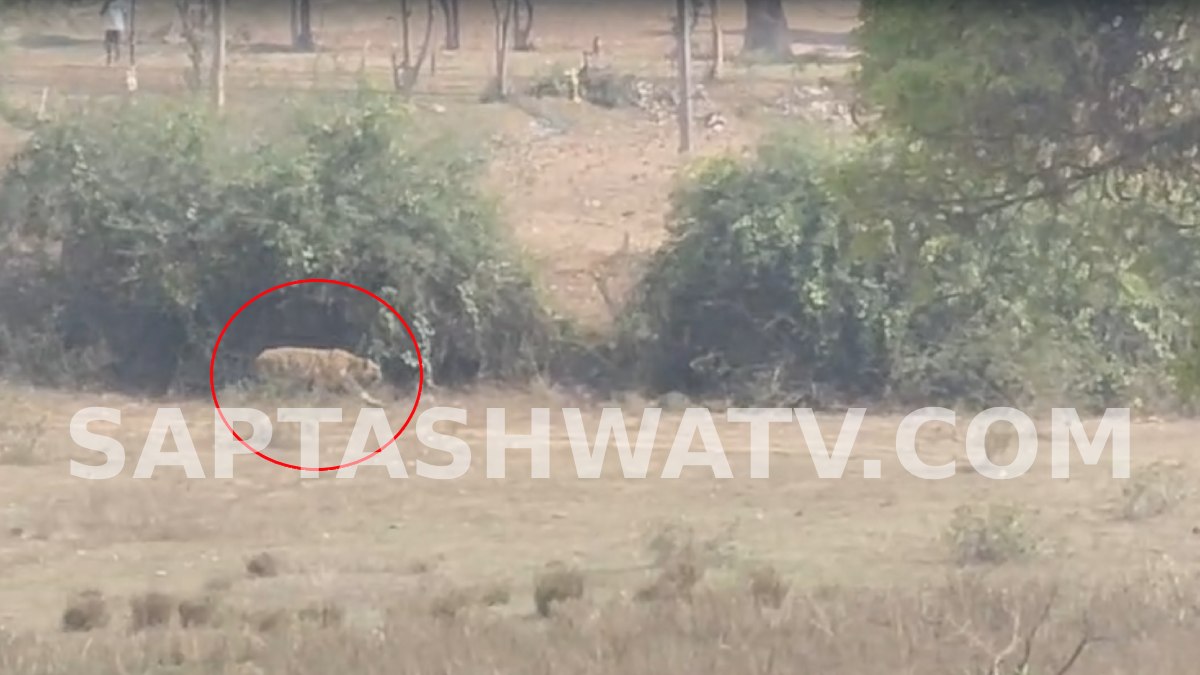
Responding to the villagers’ concerns, the Forest Department launched a massive tiger operation. Teams deployed camera traps and thermal drones to monitor the tigers movements. At one point, a tiger narrowly escaped after coming to feed on a cow it had killed, slipping away before staff could intervene.
Determined not to let the animals evade them again, forest officials brought in trained elephants to assist in the operation. These elephants guided by experienced mahouts played a crucial role in navigating the dense forest terrain and cornering the tigers.
Double Victory in Nagarahole
The breakthrough came when the male tiger was captured near Metikuppe. Just a day later, the female tiger was trapped near Agasanapura. The female, aged eleven was found to be weakened and unable to hunt wild prey effectively. This decline in her hunting ability had driven her to attack domestic animals, intensifying the villagers’ fears.
Relief Among Villagers
When news spread that both tigers had been captured, the atmosphere in the villages shifted dramatically. What had been weeks of fear and sleepless nights turned into relief and gratitude. Villagers expressed their thanks to the Forest Department, acknowledging the bravery and persistence of the staff.
For the communities, the capture was more than just a wildlife management success, it was the restoration of peace. Farmers could now tend to their cattle without fear, and children could play outside again.
The Larger Picture: Human‑Wildlife Conflict
This incident highlights the delicate balance between humans and wildlife in India’s forest‑fringe regions. As natural prey becomes scarce or as older tigers lose their hunting strength, they often turn to domestic animals, bringing them into direct conflict with villagers.
While the capture brought immediate relief, it also raises important questions about conservation and coexistence. How can communities living near reserves be protected, while ensuring that wildlife continues to thrive in its natural habitat? The answer lies in sustained monitoring, better compensation for livestock losses, and awareness programs that help villagers understand tiger behavior.
A Testament to Teamwork and Courage
The successful capture of the two tigers within 48 hours stands as a testament to the Forest Department’s dedication. Using modern technology like drones alongside traditional methods such as elephant patrols, they demonstrated how innovation and experience can work hand in hand.
For the villagers, the operation was a reminder that their voices matter—that when they raise concerns, authorities respond. For the forest staff, it was proof that their tireless efforts can bring safety and reassurance to entire communities.