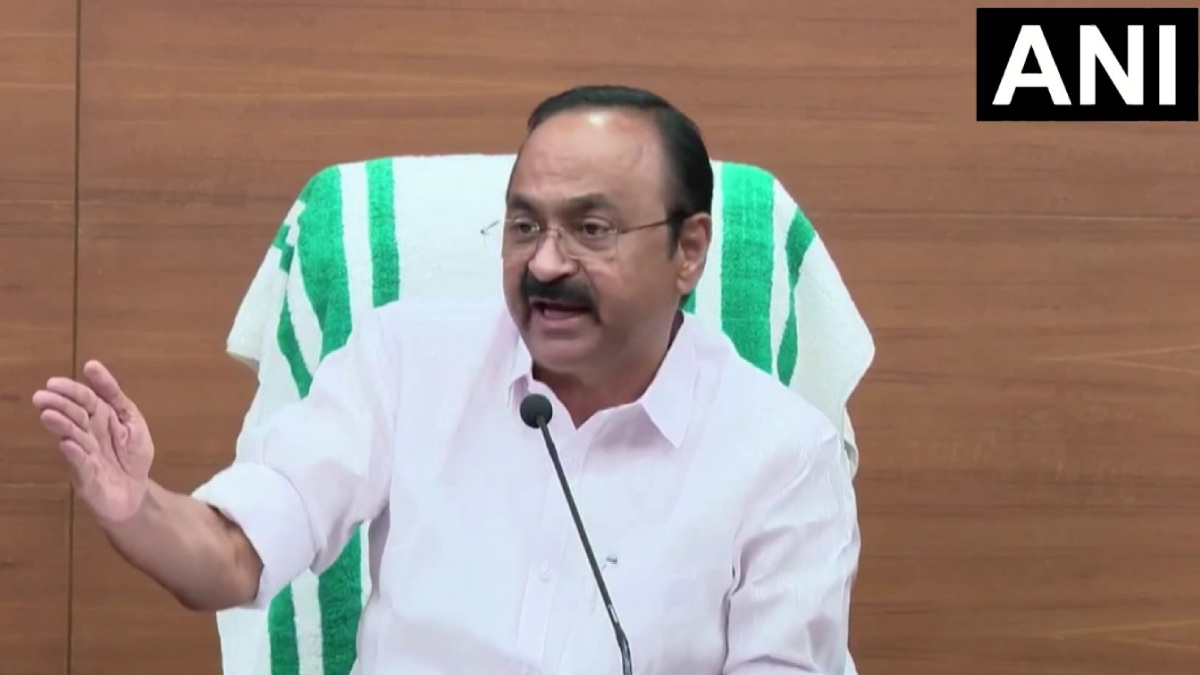
Kerala Chief Minister VD Satheesan said the state government is taking various steps to solve the power crisis and to get more power to the state. Speaking about the situation Satheesan said the government had approached seven states to explore the possibility of purchasing electricity.
A team from Kerala went to Mumbai last week for talks with the Nuclear Power Corporation of India Limited (NPCIL) to prepare for more power procurement and also to consider a long-term contract to get more stability in the electricity supply of the state.
Kerala is experiencing a large power shortage and the demand for electricity is on the rise but domestic power generation is not able to meet it. In recent years power restrictions have been imposed by the Kerala State Electricity Board (KSEB) on peak days in order to balance resources out of the supply provided. Kerala has also been looking to purchase electricity from outside Kerala to fill the gap.
The government is looking beyond short-term solutions and is also considering longer-term measures, Satheesan said. Talks with several states might also open new routes for procuring electricity and the Nuclear Power Corporation might help to increase the range of sources considered by the state. A long-term contract aims to provide a more predictable supply arrangement rather than reliance on short-term supplies when demand is high.
Kerala’s electricity situation has been affected by a number of factors. Satheesan said earlier this month that the state was experiencing increased consumption, lack of rainfall, and low inflows into reservoirs that had affected hydropower generation. He also pointed to a sharp increase in peak-hour electricity demand compared with previous years.
Hydropower plays a major part in Kerala's electricity system and reservoir levels and rainfall patterns are key to the generation capacity of the state. Lower water availability has led to lower domestic generation rates and there continues to be an increase in electricity consumption. The power supply gap has led to a greater need for power imports from outside the state.
The government has already begun to assess how to secure extra electricity at short notice. At an emergency review meeting earlier this month, Satheesan told officials to assess how much electricity could be procured from outside the state, the cost involved, and the time required to arrange additional supply.
The KSEB also has been talking with central power facilities. Electricity Minister Sunny Joseph said the state is mulling options including buying electricity from central institutions and other states and is exploring options available. The board has also considered the utility’s own proposals of using electricity at higher prices to address the shortages.
Power procurement is a big cost. Kerala now pays money to buy electricity from outside the state, he said, and it is spending a lot. At a recent energy conclave he said the state’s expenditure on external power purchases was around ₹13,000 crore and could rise further this year. Kerala provides only a fraction of the electricity it consumes and depends upon external sources to meet its requirements, he said.
The Chief Minister has also stressed the need for a broad-based power policy to address the state's long-term requirements. In October it is anticipated that the government will produce a new power policy, with renewable and solar energy and alternative solutions in mind.
But the priority, at present, remains to ensure the supply of electricity and that restrictions are not imposed when demand is high. The government’s discussions with other states, central institutions, and power-sector organisations are therefore a part of a larger strategy to deal with the short-term and long-term supply problem.
A long-term power purchase agreement could provide greater certainty about electricity supply but its final structure, pricing, and demand situation would determine its impact. The government’s stated aim for consumers was to improve supply without excessive costs and to ensure that the electricity system could meet demand in the future.
Thiruvananthapuram, Keralam | Chief Minister VD Satheesan says, "The government is working to resolve the current electricity crisis. We approached 7 states to purchase power. A team from Keralam went to Mumbai for a discussion with the Nuclear Power Corporation for more… pic.twitter.com/UUxe7XiNBE
— ANI (@ANI) September 16, 2026
The current crisis has forced Kerala to consider many options at once, from short-term investments to longer-term contracts and increased investment in alternative energy. Satheesan's comments about seeking seven states and talks with the Nuclear Power Corporation illustrate the scale of the procurement effort currently being considered.
For the state to balance the pressing electricity needs, it will have to strike a balance between affordability, reliability, and long-term energy security. The outcome of these talks and the power policy is expected to influence Kerala's electricity policy in the next few years.