A dispute over the price of a fish dish turned into a physical confrontation between customers and hotel staff at Chorum Meenum Hotel in Malappuram, Kerala. This has been highlighted because the last bill for which the bill was paid turned into an argument in the restaurant.
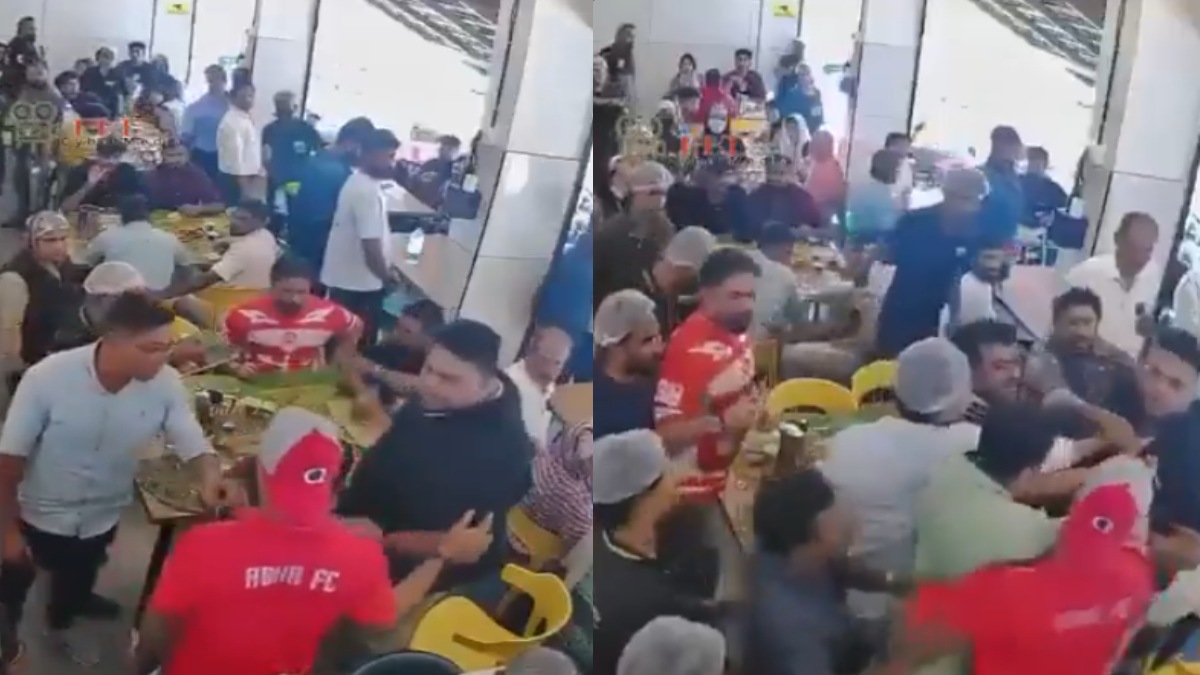
The dispute began when customers noticed a difference between the price displayed on the menu and the amount included in their bill, said sources. One fish dish was listed at ₹200 on the menu and the final bill said it was charged ₹300 for the same. This apparent ₹100 difference made the diners want to talk to the hotel staff, they said.
Price-related disputes in restaurants can be resolved by clarification, checking the menu and reviewing the bill, but in this case, the dispute became more heated. What started as a discussion on the cost of a food item allegedly turned into a physical confrontation between customers and employees.
Reports say that both sides were involved in the fight and the customers and hotel staff fought. At this point, we cannot clearly determine what happened and details are not known.
The incident has raised questions about the transparency of pricing in restaurants. Customers usually know the price of dishes before they order. When the price is different from the price on the menu, restaurants need to be able to explain why.
There are legitimate reasons for price changes, e.g. size of portion, preparation method or any other charges, but that needs to be communicated with customers before the order is made. Clear pricing can prevent confusion and disputes.
In the Malappuram case, the difference between ₹200 and ₹300 became the main point of disagreement. It remains unclear from the information available whether the additional amount was included in the final bill or if the restaurant made a separate pricing arrangement for the fish dish.
The reason was the dispute was not only a verbal one. Such an argument would need to be resolved by a manager, a written complaint would need to be made, and if necessary, we would need to go to the consumer authorities. Physical confrontation, however, becomes a risk for everyone and potentially can cause someone to be injured or even face legal consequences.
The details on possible injuries have not yet been known. It is also not known whether police were called to the hotel, whether a formal complaint was registered or whether any arrests or other legal action followed the reported confrontation.
If approached, authorities would have to investigate all available evidence, including customer and hotel employees’ statements and any CCTV footage from the property. Such evidence could help establish how the dispute started and how it escalated.
The incident also illustrates the importance of taking customer complaints seriously and communicating. Restaurants are familiar with questions about bills, food quality and service and disputes are often resolved through communication. Similarly, customers can seek clarification or use formal complaint mechanisms when they believe they have been incorrectly charged.
Businesses that show accurate prices and staff who know the pricing of menu items can avoid disputes. If a price changes, updating menus and clearly communicating when serving the dish to customers can help.
As a customer, checking the menu and reviewing the final bill before paying is also useful for spotting discrepancies early in the process. And if you suspect an error, addressing it with the restaurant management is usually better than getting heated.
The Malappuram incident has also attracted attention not only because of the alleged price difference but because a dispute over a food bill apparently escalated into a physical altercation. Details of the encounter are still to be ascertained.
Any police investigation or official statement could provide more details about the alleged ₹200-to-₹300 price discrepancy, the events that followed and whether legal action was initiated. As long as there is more information, the claims against the customers and hotel staff are reported and not proven, the allegations should be treated as reported claims rather than settled findings.
The restaurant bill dispute is an example that when communication breaks down in this way, disputes can quickly escalate. Open pricing, clear explanations and respectful complaint mechanisms can keep small disagreements from snowballing.
As further details appear, we will have to see whether the authorities have registered a case and what action, if any, is being taken following the reported altercation at Chorum Meenum Hotel in Malappuram.