The Keralam Forest Department has cleared around 10 hectares of reported encroachments in Chinnakanal and reopened traditional elephant movement corridors as part of efforts to protect wildlife habitats and reduce human-wildlife conflict. The operation took place in the Choondal area of Chinnakanal village, where portions of a 56.36 hectares proposed reserve forest had been encroached upon and used for cardamom cultivation.
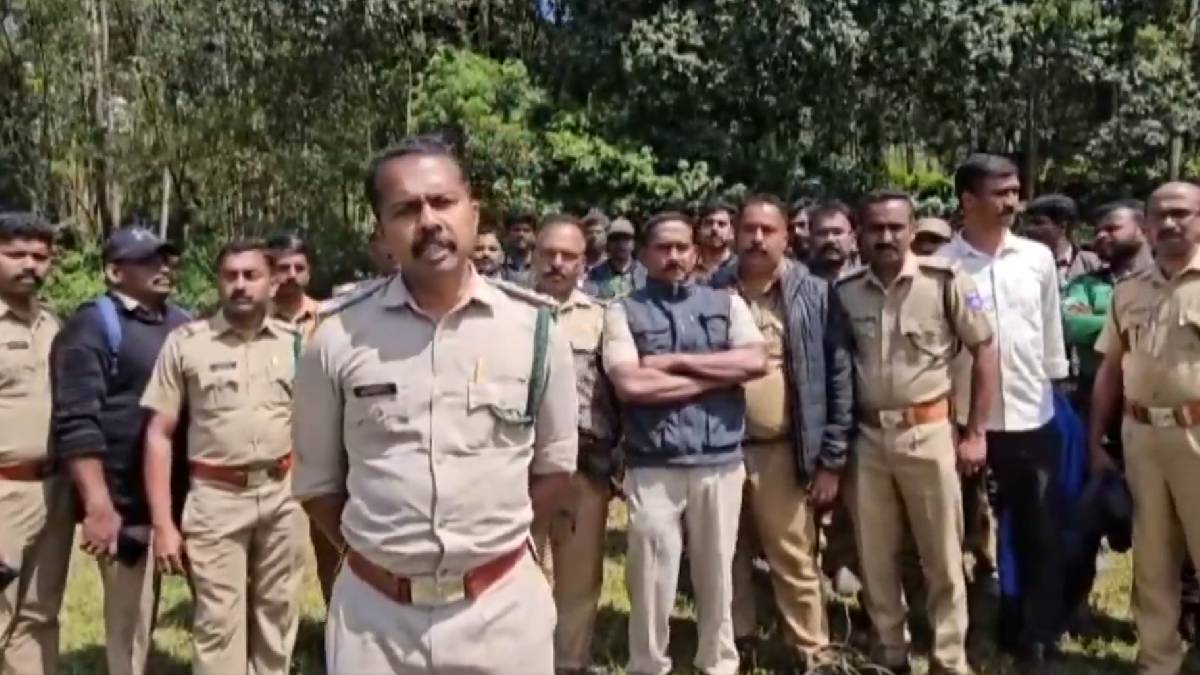
According to the Forest Department, approximately 10 hectares of the proposed reserve forest had been occupied and converted for agricultural use. Cardamom plantations had been established in the area, and heavy iron-wire fences were reportedly erected around the cultivated land. These physical barriers obstructed traditional routes used by wild elephants to move through the landscape.
During the operation, Forest Department officials removed the heavy fencing around the plantations and cleared the cardamom cultivation from the affected area. The operation has reopened routes that elephant herds have traditionally used to move between different areas of their habitat for many years.
The obstruction of natural elephant corridors had led to wild elephant herds moving towards nearby human settlements, the officials said. When traditional wildlife channels are blocked by cultivation, fencing or other human activity, elephants may seek alternative routes to find alternatives to humans, and the possibility of contact with people rises.
Keralam: Forest Department clears 10 hectares of encroachments in Chinnakanal, reopens elephant corridors. The operation was carried out in the Choondal area of Chinnakanal village, where around 10 hectares of the 56.36-hectare proposed reserve forest had reportedly been encroached upon and used for cardamom cultivation. Officials removed heavy iron-wire fences erected around the plantations and cleared the cardamom cultivation, reopening traditional routes used by wild elephants for movement. According to the Forest Department, the obstruction of these natural corridors had forced wild elephant herds to move towards nearby human settlements, aggravating human-wildlife conflict in the region.
— News Arena India (@NewsArenaIndia) October 7, 2026
So the reopening of the corridors is to bring elephants back to their traditional pathways for movement and to alleviate the pressure on herds to migrate into human-dominated areas. Such corridors are critical to wildlife management in forest-fringe areas where agricultural plantations and settlements are near elephant habitats.
The Chinnakanal operation shows the challenge of forest encroachment along with habitat fragmentation. Wildlife corridors provide animals with connectivity between different parts of their natural habitat to move and get food, water, and shelter. Fences and forest conversion that disrupt these movements can do so.
The removal of fencing was important because such large physical obstacles can prevent elephants from accessing their own routes. So the Forest Department has attempted to make the landscape more connected by removing these obstacles and clearing the encroachments.
But monitoring these restored elephant corridors will remain crucial. In order to prevent intrusion of new entanglements, fencing and other obstacles into the old routes, the traditional routes need to be protected. The corridors can also be protected over the long term so that human-elephant conflict is handled before it becomes more serious.
The Forest Department’s action also comes when human-wildlife interactions continue to play out in forest-edge areas. As settlements, roads and plantations expand around forest habitats, wildlife movement can increasingly overlap with areas used by people. Elephants in particular need large landscapes and established routes for seasonal and daily movement.
Restoring natural corridors can give elephants safer routes and may also minimize their movement to residential areas and agricultural settlements. At the same time, effective forest protection requires coordination between authorities and local communities to ensure that conservation measures are sustainable.
The 10-hectare clearance in Chinnakanal is a significant intervention in the 56.36-hectare proposed reserve forest area. The removal of cardamom cultivation and iron-wire fencing has reopened areas of the landscape that had been inaccessible to wild elephants.
There is a need to protect wildlife corridors in all habitats as part of wider conservation efforts. Rather than responding only after elephants enter human settlements, maintaining open and connected habitats can reduce some of the most pressing human-wildlife conflict conditions.
The Keralam Forest Department will continue to monitor the area and the restored routes to keep the corridors free from new obstructions. But the effectiveness of the project is only going to be determined by continued protection of cleared land and the existence of elephant movement routes.
The Chinnakanal operation shows how agricultural activity, forest conservation and wildlife protection must be mixed and matched to safeguard traditional wildlife routes. Such a system of clearing out encroachments, fencing and establishing elephant corridors has helped to connect habitats and ensure safe movement by wild elephants.