South Africa has seen anti-migrant protests again in recent weeks and demonstrations in Durban and other parts of the country have been seen as a manifestation of growing tensions over irregular migration, unemployment, crime and the strain on public services.
The latest protests are organized by the March and March group, which has been demanding tougher action against undocumented migrants.
More than a hundred people marched in Durban on September 30 and immigration was at the forefront of the demonstrations. A few protesters had traditional weapons and marched with slogans demanding foreigners leave the country.
The demonstrations come after a wider anti-immigrant protest across South Africa on June 30. Protesters had asked undocumented immigrants to leave the country, raising concerns over jobs, public services, crime and border control. Government officials said most of the June demonstrations were peaceful and looting and attempted looting were limited, but some were isolated.
Since the protests have spread in South Africa, migrants and refugees from a number of African countries (Zimbabwe, Mozambique, Nigeria and the Democratic Republic of Congo) have been displaced.
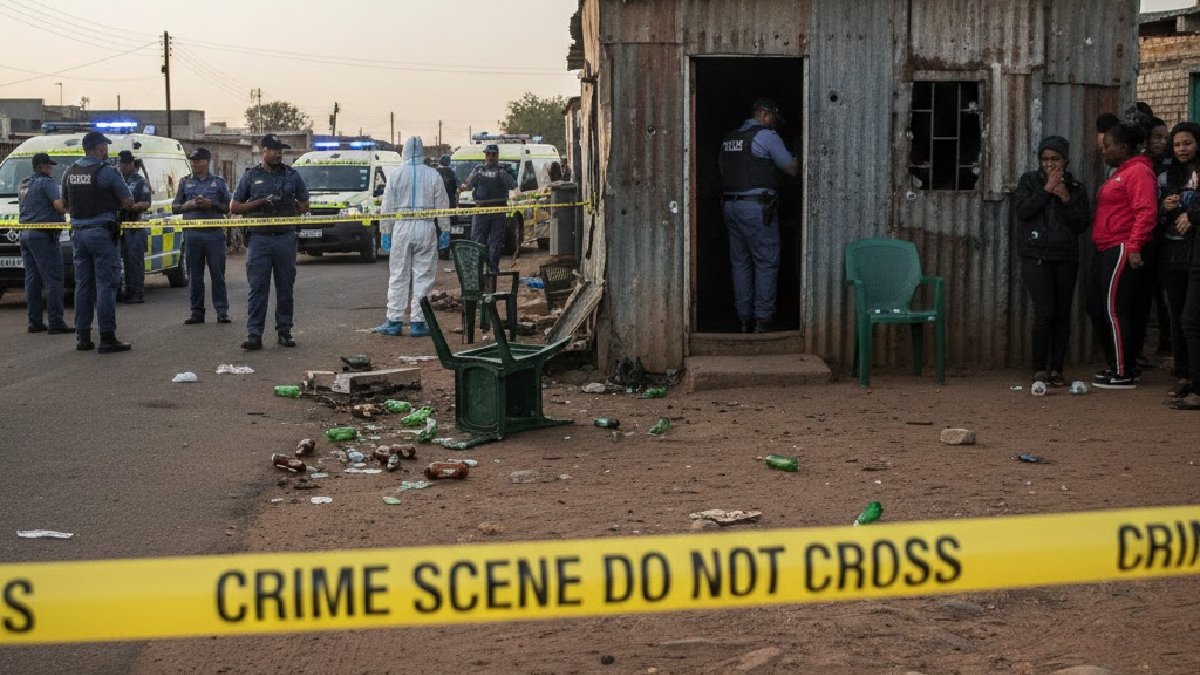
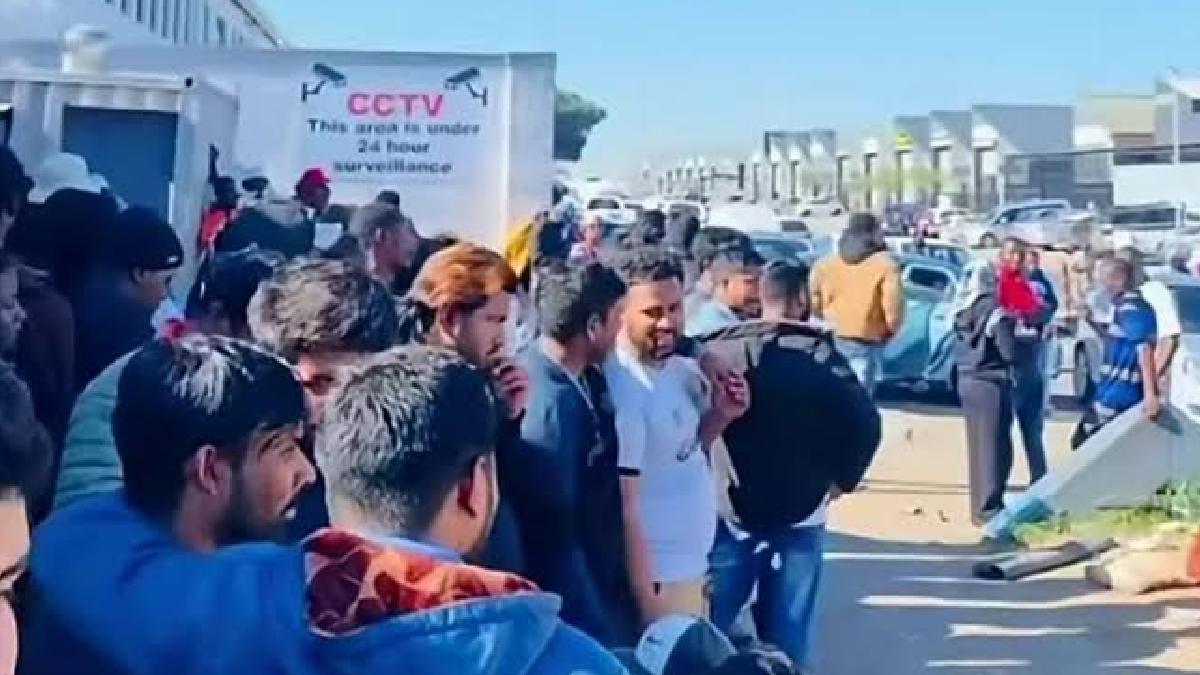
Tensions are also brewing around asylum seekers staying around Home Affairs offices in Durban. On September 3 a clash between protesters and migrants resulted in injuries and an arrest and police used tear gas and rubber bullets to disperse the crowd.
On September 10 there were around 300 protesters and the protest was over Congolese asylum seekers.
South African authorities have acknowledged public concerns concerning irregular migration, border management, unemployment and service delivery. At the same time, the government has called on citizens to reject xenophobia, violence and vigilantism and to take immigration enforcement in a constitutional and legal manner.
The protests are occurring in a very poor economic context. South Africa has long struggled with unemployment and low economic growth (which have led to frustration among communities) and undocumented migrants compete with South Africans for jobs and public resources. But some of the claims have been challenged by analysts that link migrants directly to crime and economic factors.
Reuters reported that migrants made up about 4.1% of South Africa’s population according to 2023 national statistics, and studies have questioned whether immigrants are to blame for high crime levels.
The protests have also raised fears about their economic impact. Migrants are involved in agriculture, construction, retail, hospitality and transport.
Economists have said if foreign workers were to leave all too quickly, labour shortages would be created and businesses that depend on migrants would be hurt.
As anti-migrant sentiment remains a major concern, authorities are now faced with balancing legitimate fears from legal and public services concerns with the fear of violence, intimidation and discrimination against migrants and refugees.