King George's Medical University (KGMU) in Lucknow, Uttar Pradesh, announced a new policy prohibiting non-vegetarian meals in all campus hostels, and vegetarian food is the standard option for resident students in the university's hostel premises.
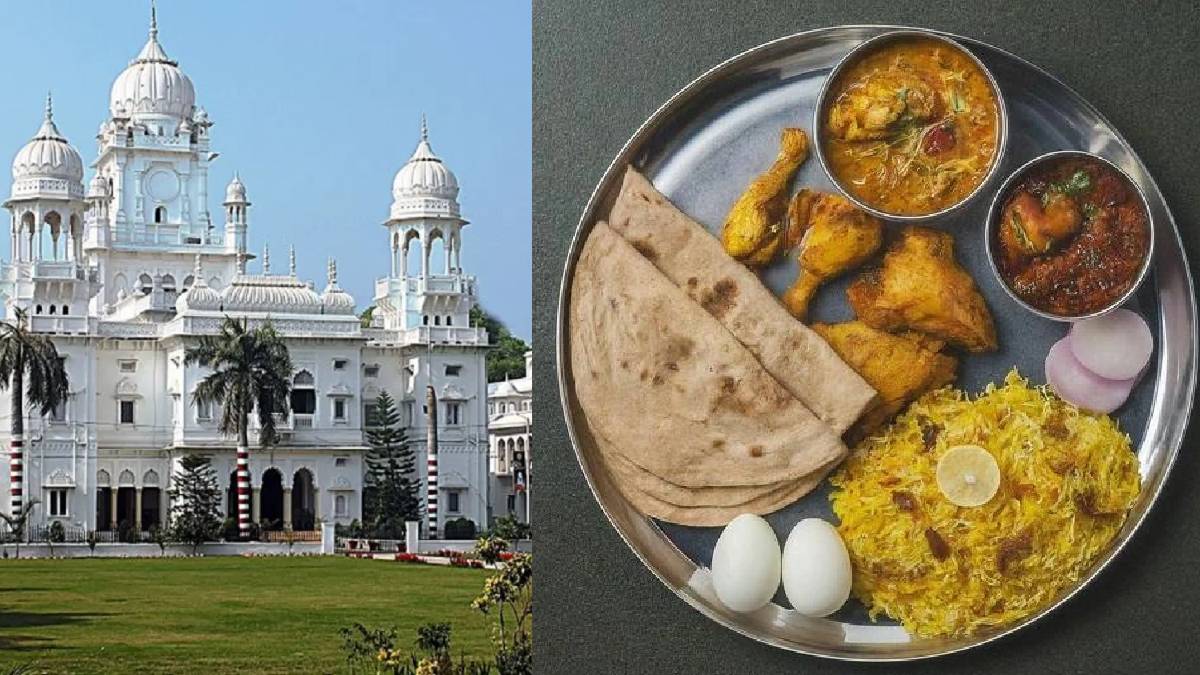
The decision applies to KGMU’s hostel facilities and will affect thousands of undergraduate, postgraduate and resident medical students living on campus. Hostel messes will only serve vegetarian meals, and non-vegetarian food will not be allowed in hostel dining halls, as part of the new policy.
However, university authorities have introduced the measure as part of revised campus regulations. Though the university has disclosed the policy, the detailed operational approach of the implementation and any exemptions to it should be communicated to students and hostel staff.
King George's Medical University is one of India's oldest and most prestigious medical institutions, with students from all parts of the country. Because of the diverse student population, the decision has attracted attention and is likely to spark discussions between students, faculty members, and education observers.
Food policies in educational institutions have been the subject of public debate in India sometimes, especially at universities where students can come from diverse cultural, regional, and dietary backgrounds. Hostel regulations are typically set by institutions for administrative reasons, infrastructure, hygiene, or campus management reasons, but such policies can also lead to different perspectives from different stakeholders.
Supporters of vegetarian-only hostel policies frequently say that they simplify food preparation, reduce the mess in kitchens with common kitchens, and accommodate certain cultural and institutional preferences. But others say such a policy should be a part of students’ diets, especially for students from diverse backgrounds, especially on residential campuses where hostels are the primary living quarters.
The recent KGMU decision comes at a time of increasing discussion in India of food preferences, autonomy of universities, and campus regulations. Universities are generally granted the authority to establish hostel rules and administrative policies as long as they comply with various legal and regulatory guidelines.
Students living in hostels on campus may continue to have food outside the university premises, for which hostel rules and local regulations are in place. The university's announcement focuses on the meals served and permitted within hostel facilities.
KGMU in Lucknow is one of the top medical education, research, and healthcare institutions in the state. Staff and researchers from the state are trained every year at the college, and it is considered to be one of the best tertiary healthcare centers in Uttar Pradesh.
The implementation of the new hostel food policy will be closely watched by students in the country and at universities, as it may have implications for residential campus management and student welfare.
As the university follows through on the policy, further clarification of implementation and operational procedures from KGMU is expected to further clarify things for students and hostel authorities.