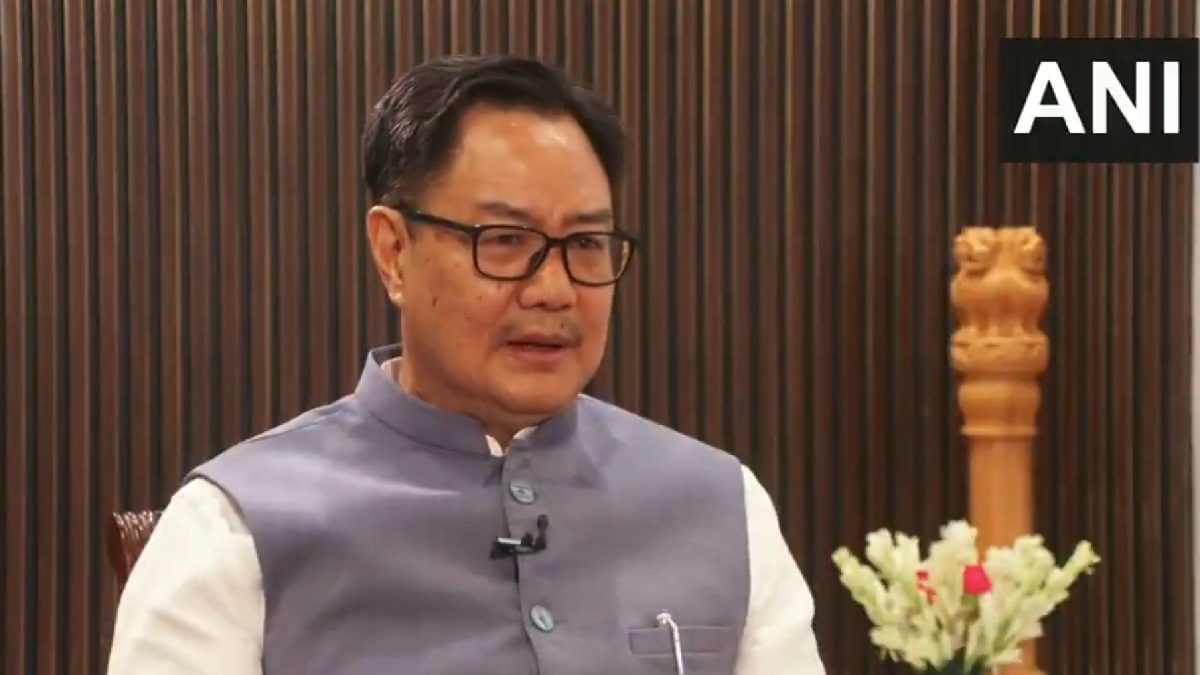
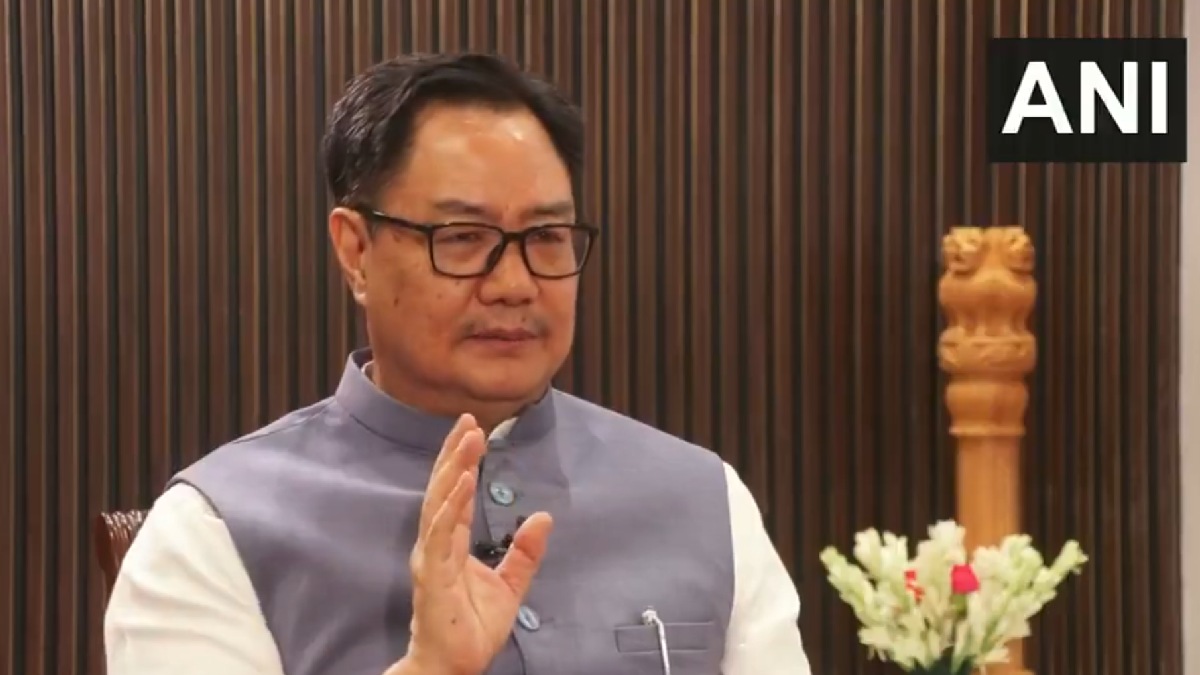
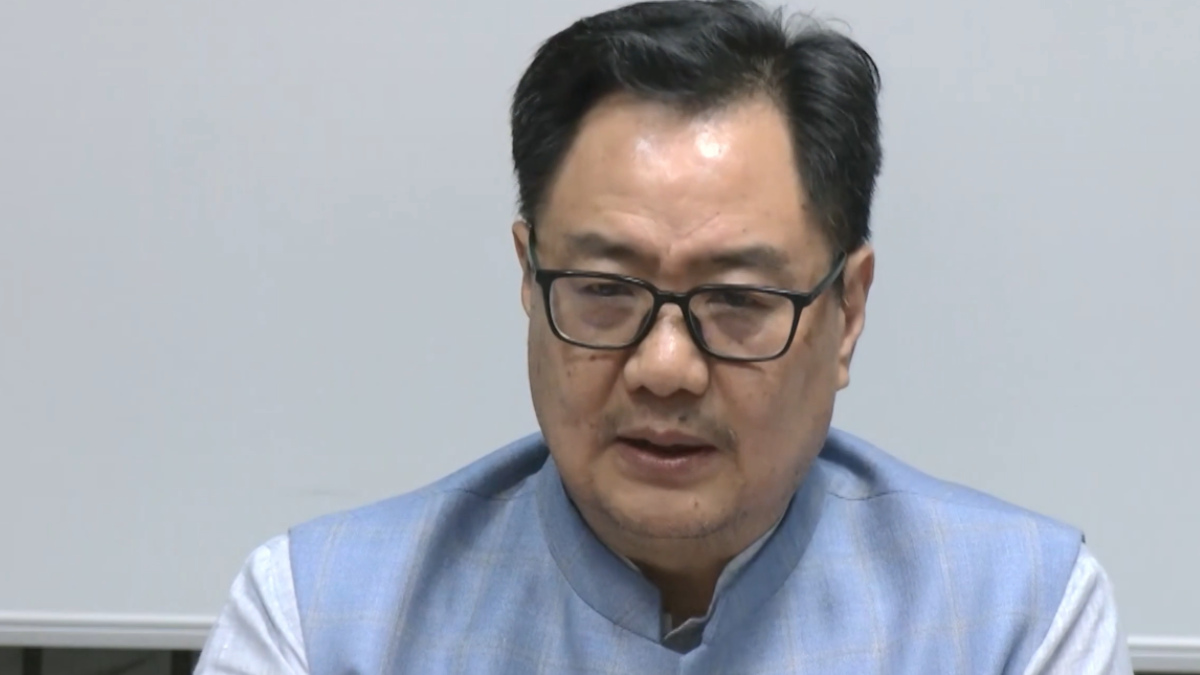
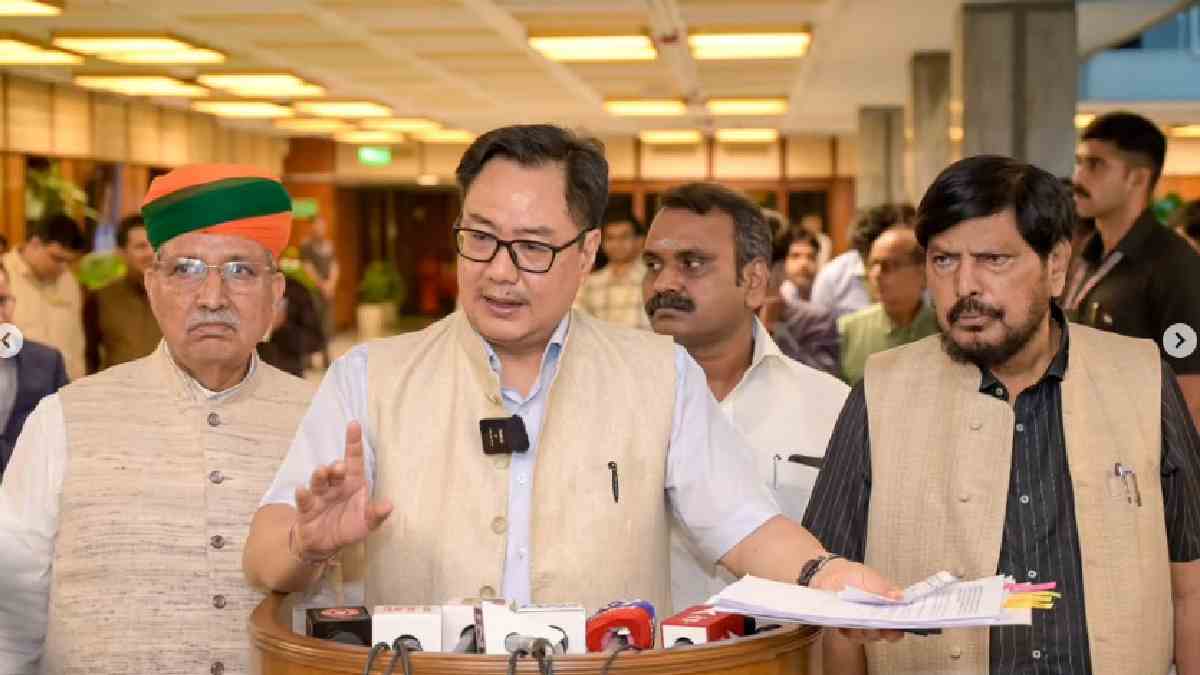
Union Minister Kiren Rijiju on Wednesday criticized opposition parties for diverting the debate on the Public Examinations (Prevention of Unfair Means) Amendment Bill, 2026, to unrelated political issues instead of discussing the proposed legislation. Parliament started its proceedings at midnight after long talks on the bill.
The proposed amendment would strengthen the existing law aimed at preventing unfair practices in public examinations. The legislation has significance since nationwide concerns and protests over the alleged NEET-UG paper leak triggered calls for stricter safeguards and greater transparency in the examination system.
Rijiju Criticises Opposition's Approach
Rijiju said the ruling National Democratic Alliance (NDA) members participated in the debate by focusing on the provisions of the bill and making suggestions.
Opposition members, especially from the Congress, used much of their speaking time to raise political issues rather than discussing the objectives and clauses of the proposed legislation, said the Union Minister.
Rijiju welcomed that Parliament continued its proceedings late into the night and described it as an indication of democratic engagement.

NDA Focused on the Bill, Says Minister
The minister said NDA members of Parliament studied the proposed amendments and discussed ways to strengthen the legal framework against examination malpractice.
He claimed several opposition speakers shifted the focus away from the bill by giving political arguments unrelated to the legislation under discussion.
Giriraj Singh Questions Opposition Unity
Giriraj Singh also criticised the opposition for not having a common position on the debate and said the parties have failed to communicate a common position on the matter.
He claimed that the opposition seemed divided and accused the opposition leaders of using the discussion as a forum for political criticism rather than addressing the issue of examination reforms.
Singh further added that the youth of India still have confidence in Prime Minister Narendra Modi and are supporting the government’s move to maintain the integrity of public examinations.
Jagdambika Pal Makes Similar Allegation
BJP MP Jagdambika Pal also shared Rijiju’s criticism that opposition members spent less time discussing the contents of the amendment bill and instead sought to mislead the public by focusing on unrelated subjects.
Pal argued that the debate should have focused on measures to prevent paper leaks and fair recruitment and examination processes.
Government Assures Detailed Response
Union Minister Sukanta Majumdar said members from different political parties were involved in the discussion and some suggestions were presented before the House.
He said that Minister of State for the Prime Minister's Office Jitendra Singh, who introduced the amendment bill, would respond to the concerns and recommendations raised during the debate.
Majumdar said the government was still working to have safeguards in place against unfair practices in public examinations and to hold public officials accountable.
Background of the Amendment Bill
The Public Examinations (Prevention of Unfair Means) Amendment Bill, 2026 seeks to amend the 2024 legislation introduced to curb malpractices such as paper leaks, cheating, impersonation, and organised examination fraud.
The move comes after widespread protests over the alleged NEET-UG paper leak, which prompted demands for stronger legal provisions, tougher penalties, enhanced security measures, and reforms in the conduct of competitive examinations across the country.
Focus on Examination Reforms
The government has maintained that the proposed amendments are intended to restore public confidence in the examination system by introducing stricter mechanisms to prevent irregularities and improve transparency.
The move is indicative that the bill continues to be discussed in Parliament and that the country’s public examination and recruitment processes are in need of reform, fairness and accountability in the country’s education and job market, as the national entrance exam has recently come under fire.