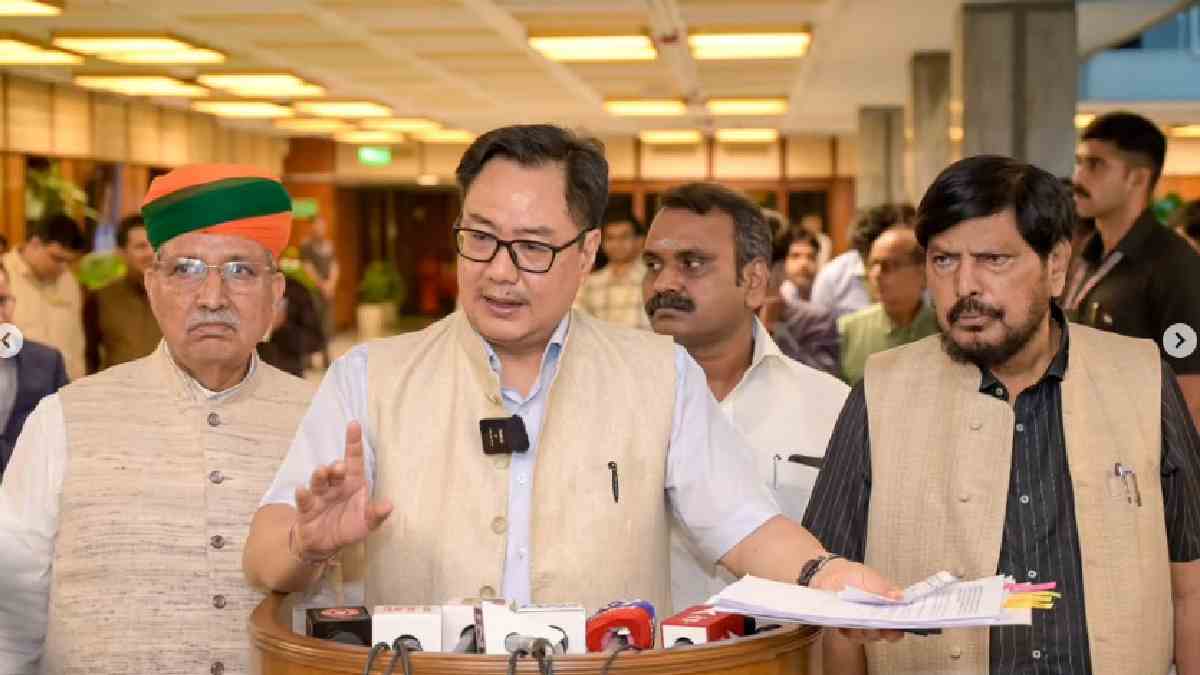
Union Parliamentary Affairs Minister Kiren Rijiju has defended the Delhi Police's handling of youth-led demonstrations over alleged examination paper leaks, dismissing allegations protesters were subjected to excessive force. His comments have reignited debate about the police response to the protests - particularly among some of those who got hurt walking toward Parliament.

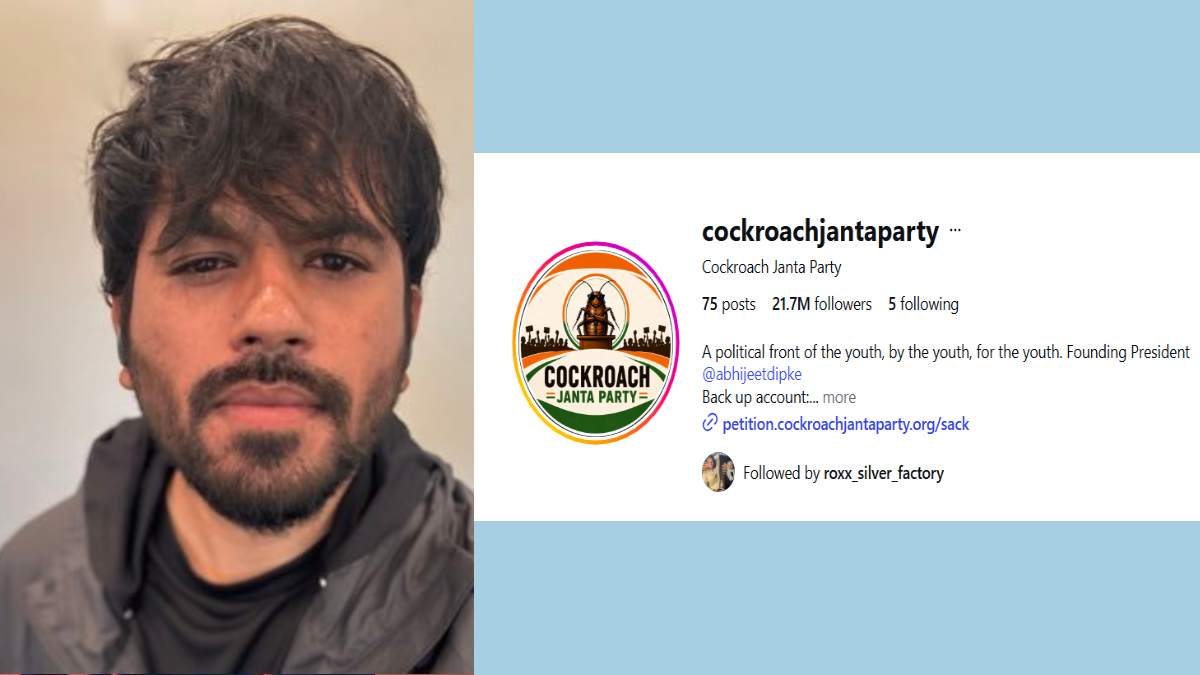
The Cockroach Janta Party protests were organized at the Jantar Mantar in Delhi in June and July. Young people in the vicinity and supporters were protesting for more action on the alleged irregularities and paper leaks that affect competitive exams and for more education. Such incidents, the protesters said, tarnish the legitimacy of recruitment and entrance examinations and are not good for the students who spend years preparing for them.
The demonstrations continued for several weeks before protesters marched on to Parliament on July 20. The march was stopped by security personnel and tear gas was deployed to disperse the crowd. This led to great controversy and some of the protesters and other observers said that some of them were injured when the police intervened.
Yet Rijiju had another view on the situation. Defending the Delhi Police, he said that no one has been seriously injured in the demonstrations and that the police hadn’t used lathis against the protesters. The Minister said the use of force was necessary only when demonstrators tried to move towards Parliament, an area that was under high security restrictions.
But the minister’s comments have been criticized by those who claim they do not fully account for such injuries that occurred during the encounter. Some medical reports and hospital-based information on the protests have pointed out injuries caused by pellet guns. These reports have further fueled the claims of the extent and severity of the use of force by security staff and those who dispersed the protest.
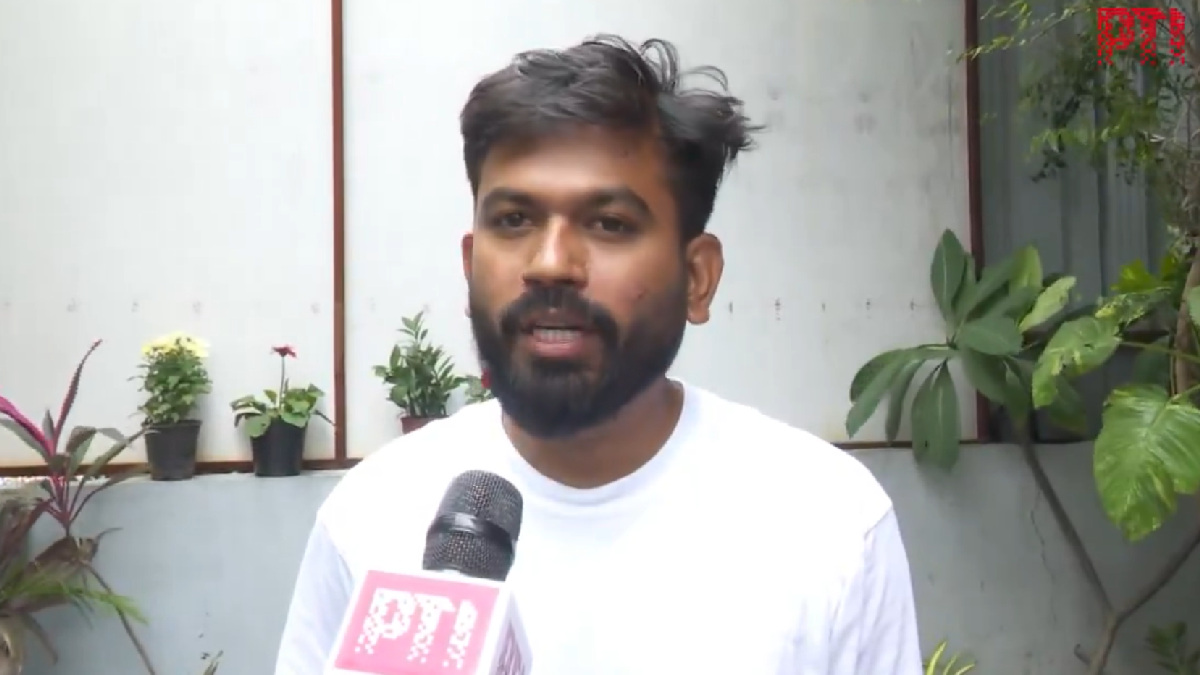
The conflict now has two competing narratives. Police and government response has been portrayed as a response to protect Parliament and a group of people who are not authorized to attend a very restricted area. Protesters and their supporters, however, have said that the response was excessive and that injuries reported after the confrontation need not be discounted.
They also have the bigger issue at play: leaky examination papers and alleged irregularities affecting young candidates. For students who are preparing for government recruitment exams and for competitive tests, a leaked or compromised paper can put months or years of preparation at risk. Protesters have thus called for greater accountability, transparent investigations, and stronger security measures to prevent such incidents.
Rijiju’s defense of the police has also been compared with earlier protest management in the capital. Critics say that claims of restraint must be evaluated against the injuries reported by protesters rather than exclusively on whether standard crowd-control measures (e.g. lathis) were used. The reported use of tear gas and allegations of pellet-related injuries have therefore also been at the heart of the controversy.
The episode demonstrates the tension between the right to protest and the security regulations surrounding Parliament. But the government and the authorities have to control people from going to government premises where they have a right to protest, and they have the constitutional right to lodge complaints peacefully in the face of the law.
In the case of the young demonstrators involved, the police response is at odds with the original issues of examination integrity. Their protests reflect a larger anxiety among students who rely on competitive exams for education, jobs, and government jobs. Papers leaking can corrode confidence not only in an exam but in the recruitment system in general.
#WATCH | Delhi: On the Jantar Mantar protest, Parliamentary Affairs Minister Kiren Rijiju says, "...Not a single person was harmed; not a single person suffered a broken bone. Not even one protester is in the hospital with a serious injury. Consider the scale of this… pic.twitter.com/Y3nNSmVML3
— ANI (@ANI) August 18, 2026
As political talk over the July 20 confrontation continues, the competing accounts of what happened on the ground are likely to remain a question. Rijiju said the police acted with restraint, but injuries cited by critics have revived the debate about the use of force.
The controversy ultimately extends beyond the immediate clash between protesters and police. It raises broader questions about how authorities should respond to youth movements’ demands that they be held accountable for examination-related grievances, and how allegations of police excesses should be independently assessed when competing accounts emerge. But for students and protesters, the central demand is the same: more transparency and confidence in the examination system that is at the heart of their future.